
EV battery startup aims to slash cost by eliminating lithium and cobalt

John E. Kaye
- Published
- Home, Sustainability, Technology
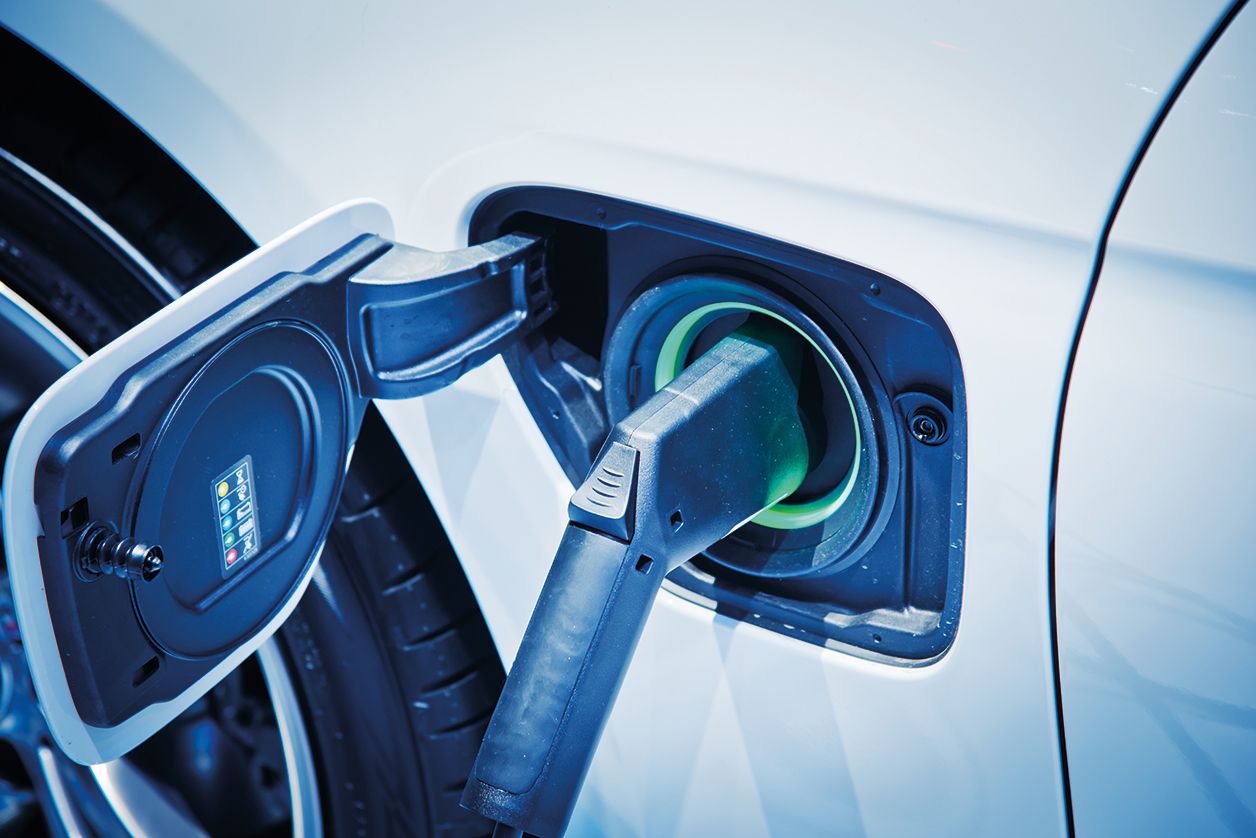
Alsym Energy, a seven-year-old Massachusetts startup, aims to halve the cost of electric vehicle batteries with a new design that eliminates lithium and cobalt, two increasingly costly ingredients in many current EV batteries, the company has said. One of the company’s goals is to help make EVs more affordable for a greater portion of the world’s population, a key executive said. Alsym has partnered with one of India’s top automakers to jointly develop the new battery, Mukesh Chatter, Chief Executive and co-founder, said in an interview.
Alsym’s battery has the potential to be safer, more sustainable and easier to recycle because it is made with non-toxic, non-flammable materials that are readily available, said Chatter, who has a graduate degree in engineering from Rensselaer Polytechnic Institute.
Chatter said his wife and long-time business partner Priti Chatter, who holds degrees in chemistry, biology and finance, came up with the company’s larger mission: “She said, we need to identify technologies that are affordable that can have an impact on the lives of at least one billion people. That’s how it started.”
Alsym’s battery, which can also be used for stationary energy storage and marine applications, uses such relatively common materials as manganese and aluminium, he said.
Eventually the company hopes to build its battery cells with a manufacturing partner, Chatter said, with a target production date of 2025. The company has raised $32m from Helios Climate Ventures and other investors.
Further information
TOP STORIES
-
 Deepfakes and identity fraud drive new wave of post-hire background checks
 -
Brits trust AI with their health but not their money
-
Robot sales rocket 24% as 250,000 machines snap up jobs in warehouses, hotels and hospitals
-
Nearshore supply chains: why Costa Rica is emerging as a strategic gateway for global manufacturing and innovation
-
Bank of England governor warns AI poses growing ‘increasingly significant’ threat to financial stability
-
Inside Cartago’s US$1.186bn green investment hub
-
Smart manufacturing: why Costa Rica is quietly positioning itself as Latin America’s next industrial innovation hub
-
Giant wind turbine with 252-metre rotor could mean fewer machines and cheaper offshore power
-
Talent and workforce development: how Costa Rica is building a competitive knowledge economy
-
Your biggest rival could be your best technology partner, research finds
-
China unveils giant crane capable of lifting 9,300 family cars
-
LED lights could be ‘the new asbestos’, UCL scientists warn
-
OpenAI admits AI models hid mistakes, invented data and acted without permission
-
AI arms race could mean fewer cold emails reaching your inbox
-
Costa Rica is writing the next chapter of global MedTech
-
SpaceX to launch one-tonne orbital factory for European space firm in 2028
-
The Costa Rica Report 2026 is out now
-
Europe’s healthcare sector lags on AI uptake – but leads once it starts using it
-
Stranded drivers could soon call for help even with no mobile signal
-
NASA backs space ‘air brake’ that could cut years off missions to Uranus and Neptune
-
MPs and peers call for UK ban on AI that could evade human control
-
Bioweapons research, Russian-linked spies, guided rockets and cyber-attacks on Europe used Claude AI, Anthropic reveals
-
European network alliance doubles in size as digital sovereignty drive accelerates
-
European insurance giants join New York summit on future of AI
-
Oxford leads £10m international study as resistance threatens new TB treatments


















EV battery startup aims to slash cost by eliminating lithium and cobalt
John E. Kaye
- Published
- Home, Sustainability, Technology
TOP STORIES
-
Deepfakes and identity fraud drive new wave of post-hire background checks
-
Brits trust AI with their health but not their money
-
Robot sales rocket 24% as 250,000 machines snap up jobs in warehouses, hotels and hospitals
-
Nearshore supply chains: why Costa Rica is emerging as a strategic gateway for global manufacturing and innovation
-
Bank of England governor warns AI poses growing ‘increasingly significant’ threat to financial stability
-
Inside Cartago’s US$1.186bn green investment hub
-
Smart manufacturing: why Costa Rica is quietly positioning itself as Latin America’s next industrial innovation hub
-
Giant wind turbine with 252-metre rotor could mean fewer machines and cheaper offshore power
-
Talent and workforce development: how Costa Rica is building a competitive knowledge economy
-
Your biggest rival could be your best technology partner, research finds
-
China unveils giant crane capable of lifting 9,300 family cars
-
LED lights could be ‘the new asbestos’, UCL scientists warn
-
OpenAI admits AI models hid mistakes, invented data and acted without permission
-
AI arms race could mean fewer cold emails reaching your inbox
-
Costa Rica is writing the next chapter of global MedTech
-
SpaceX to launch one-tonne orbital factory for European space firm in 2028
-
The Costa Rica Report 2026 is out now
-
Europe’s healthcare sector lags on AI uptake – but leads once it starts using it
-
Stranded drivers could soon call for help even with no mobile signal
-
NASA backs space ‘air brake’ that could cut years off missions to Uranus and Neptune
-
MPs and peers call for UK ban on AI that could evade human control
-
Bioweapons research, Russian-linked spies, guided rockets and cyber-attacks on Europe used Claude AI, Anthropic reveals
-
European network alliance doubles in size as digital sovereignty drive accelerates
-
European insurance giants join New York summit on future of AI
-
Oxford leads £10m international study as resistance threatens new TB treatments



