
Almost Half of European and US Pharmaceuticals Companies Struggle to Use Data Insight

John E. Kaye
- Published
- Home, Technology

Inability to generate and use insights undermines competitiveness at 48% of drug companies surveyed
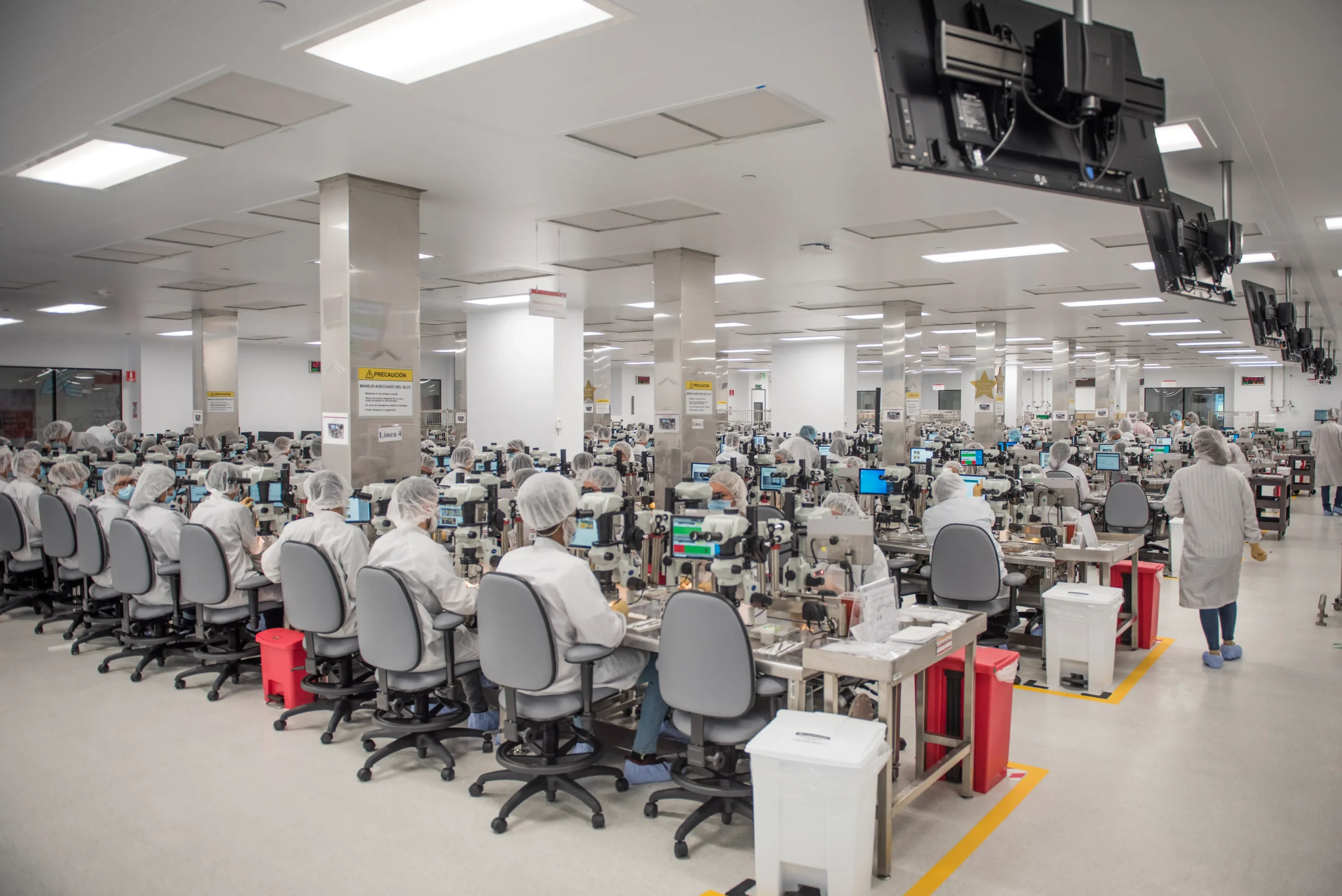
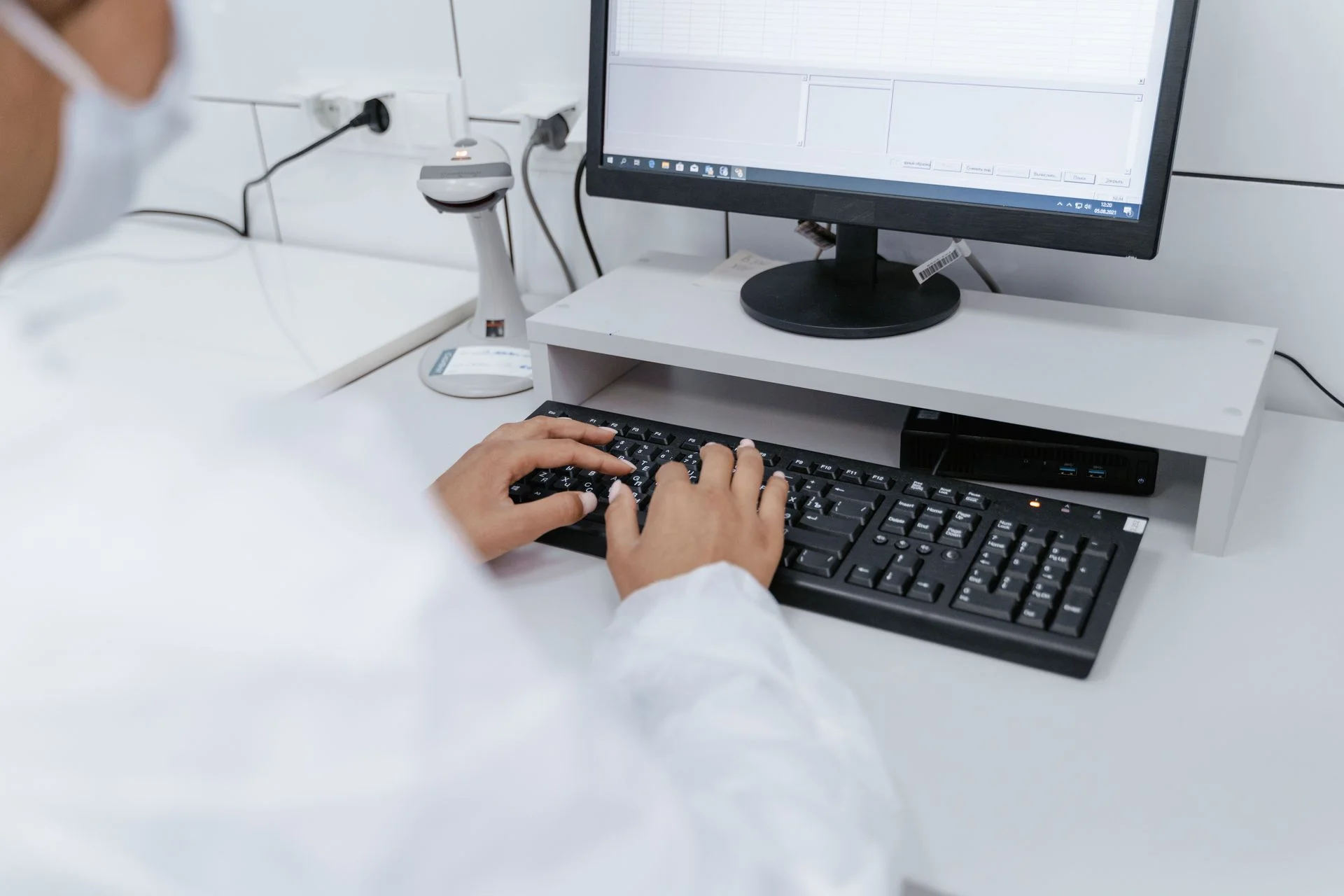
Nearly half of pharmaceutical companies (48%) admit their competitiveness is suffering because they cannot extract or use insights from data they already have within their business. An equal percentage (48%) admit they do not use their own data for business decisions as well as they could.
The findings are from research among 300 senior decision-makers within the pharmaceutical industry in the UK, US, Germany, France, Spain and Sweden, conducted by Aspen Technology, a global leader in asset optimisation software.
The research also reveals how poor digital capabilities hit business performance. Almost half (49%) say their companies struggle to use data effectively to improve time to market.
“This should sound an alarm bell within the pharmaceutical industry,” said David Leitham, Senior Vice President and General Manager Pharma, AspenTech. “Leading organisations stand out for their ability to use data effectively across all aspects of drug manufacture. Data-driven organisations are faster to innovate and respond to opportunities or threats at speed.”
The research also found a widespread lack of predictive capabilities within the industry. Almost half (49%) of respondents say their companies are not good enough at predicting demand for a product and adjusting output to match it. And almost as many (48%) rate their organisation as either poor or ineffective at using data to predict and resolve supply shortages.
Companies that have a more advanced digital culture use data effectively across all aspects of drug manufacture. More than three-quarters (78%) of such “digital culture leaders” in the research describe themselves as effective at using data to predict product demand and to forecast and resolve supply shortages.
“Pharma manufacturers have traditionally been moving slowly and incrementally towards ‘Pharma 4.0’,” said Leitham. “For more than half of all organisations this needs to accelerate if they are to avoid falling further behind.”
Further information
TOP STORIES
-
 Specs appeal: Welsh Parliament bans smart glasses
-
UK and European experts demand tougher AI laws as Australia considers criminal penalties after OpenAI breach
-
Nvidia hires top US lawyer to investigate CEO's alleged affair with Chinese spy
-
Why Airbnb and Uber take off in some cities but flop in others, according to scientists
-
European entrepreneurs trust AI firms more than governments as four-in-10 look beyond Europe
-
Bosses warned of ‘AI blind spot’ as workers risk taking company secrets when they quit
-
Scientists grow world's largest diamond crystal in breakthrough that could stop AI chips overheating
-
Costa Rica's medtech bet: from making devices to engineering them
-
Infront hires Deutsche Börse data expert Jeff Caldwell as AI transforms financial markets
-
US rocket firm plans Scottish launches in bid to revive failed Highland spaceport
-
Britain launches first major study into ‘forever chemicals’ lurking in our bodies
-
Scientists close in on mysterious ‘zeptoverse’ after 40-year hunt for ultra-rare particle
-
Bahrain lands $3.9bn investment deal with DHL, AirAsia and hotel giant Meliá
-
AI could 'help pharmaceutical companies spot clinical trial problems before they escalate'
-
Anthropic warns AI could pose ‘existential risks’ as it files for stock market flotation
-
North Korean agents are infiltrating Western businesses by posing as employees, security chief warns
-
Hackers could bring Britain’s essential services to a standstill, security chief warns after global website shutdowns
-
We’re talking to almost twice as many people on the phone as a decade ago, study finds
-
Scientists and engineers quitting jobs as AI changes roles ‘beyond recognition’, study finds
-
Deepfakes and identity fraud drive new wave of post-hire background checks
-
Brits trust AI with their health but not their money
-
Robot sales rocket 24% as 250,000 machines snap up jobs in warehouses, hotels and hospitals
-
Nearshore supply chains: why Costa Rica is emerging as a strategic gateway for global manufacturing and innovation
-
Bank of England governor warns AI poses growing ‘increasingly significant’ threat to financial stability
-
Inside Cartago’s US$1.186bn green investment hub























Almost Half of European and US Pharmaceuticals Companies Struggle to Use Data Insight
John E. Kaye
- Published
- Home, Technology
TOP STORIES
-
Specs appeal: Welsh Parliament bans smart glasses
-
UK and European experts demand tougher AI laws as Australia considers criminal penalties after OpenAI breach
-
Nvidia hires top US lawyer to investigate CEO's alleged affair with Chinese spy
-
Why Airbnb and Uber take off in some cities but flop in others, according to scientists
-
European entrepreneurs trust AI firms more than governments as four-in-10 look beyond Europe
-
Bosses warned of ‘AI blind spot’ as workers risk taking company secrets when they quit
-
Scientists grow world's largest diamond crystal in breakthrough that could stop AI chips overheating
-
Costa Rica's medtech bet: from making devices to engineering them
-
Infront hires Deutsche Börse data expert Jeff Caldwell as AI transforms financial markets
-
US rocket firm plans Scottish launches in bid to revive failed Highland spaceport
-
Britain launches first major study into ‘forever chemicals’ lurking in our bodies
-
Scientists close in on mysterious ‘zeptoverse’ after 40-year hunt for ultra-rare particle
-
Bahrain lands $3.9bn investment deal with DHL, AirAsia and hotel giant Meliá
-
AI could 'help pharmaceutical companies spot clinical trial problems before they escalate'
-
Anthropic warns AI could pose ‘existential risks’ as it files for stock market flotation
-
North Korean agents are infiltrating Western businesses by posing as employees, security chief warns
-
Hackers could bring Britain’s essential services to a standstill, security chief warns after global website shutdowns
-
We’re talking to almost twice as many people on the phone as a decade ago, study finds
-
Scientists and engineers quitting jobs as AI changes roles ‘beyond recognition’, study finds
-
Deepfakes and identity fraud drive new wave of post-hire background checks
-
Brits trust AI with their health but not their money
-
Robot sales rocket 24% as 250,000 machines snap up jobs in warehouses, hotels and hospitals
-
Nearshore supply chains: why Costa Rica is emerging as a strategic gateway for global manufacturing and innovation
-
Bank of England governor warns AI poses growing ‘increasingly significant’ threat to financial stability
-
Inside Cartago’s US$1.186bn green investment hub



