European shares lower as second wave concerns increase

John E. Kaye
- Published
- News

On Thursday, European shares closed lower as the spike in COVID-19 cases in China and some U.S. triggered fears of a second wave of infections, while a 60% plunge in Wirecard shares over missing cash balances weighed on the STOXX 600 index.
Investors also scaled back on risk as the daily count of cases hit new highs in the United States’ most populous state, California and Texas while Beijing ramped up movement curbs.
“The faster economies reopen, the more likely we will see a second wave of infections translate into new lockdowns. Hence, the path over the coming months will be murky,” said Hussein Sayed, chief market strategist at FXTM.
The pan-European STOXX 600 index fell 0.7% after two straight days of gains, as hopes of a swift recovery from the pandemic-led economic slump were knocked back.
Dragging down the index was Wirecard, which plummeted 61.8% after the German payments company’s auditor refused to sign off its 2019 accounts over a missing $2.1 billion as the firm warned the delay could cause billions in loans to be called in as early as Friday.
Aggressive monetary and fiscal stimulus and less-than-dire economic data have helped European indexes regain about 36% from their March lows, but analysts say another wave of infections could lead to worries of more restrictions and weigh on consumer behaviour.
“For all the optimism that central bank and government stimulus will help alleviate more permanent economic scarring, there is rising concern that any recovery is likely to be less V-shaped and more a long U-shaped type of rebound,” said Michael Hewson, chief market analyst at CMC Markets UK.
Madrid-listed shares of Siemens Gamesa tumbled 7.6% after the wind turbine maker replaced Chief Executive Markus Tacke with Andreas Nauen and warned of an operating loss in the third quarter late on Wednesday.
German online fashion retailer Zalando rose 7.1% to the top of STOXX 600, after forecasting a bigger increase in sales and operating profit in thesecond quarter than analysts’ expectations as the pandemic prompts more people to shop online.
Cyclical stocks led declines, including miners which fell 1.9%.
The European Council is in focus as it meets on Friday to discuss a recovery proposal by the bloc’s executive arm to raise 750 billion euros worth of debt to top up spending from joint coffers to be worth 1.1 trillion euros in 2021-27.
Reported by Shreyashi Sanyal
Sourced Reuters
For more Daily news follow The European Magazine
TOP STORIES
-
 Closing women's health gap could boost global economy by $1tn a year, leaders say
 -
World's first luxury theme park to open in Mexico with £1.1bn of rides, fine entertainment and deliberately limited crowds
-
Dutch court orders Lidl to stop selling Birkenstock sandal lookalikes
-
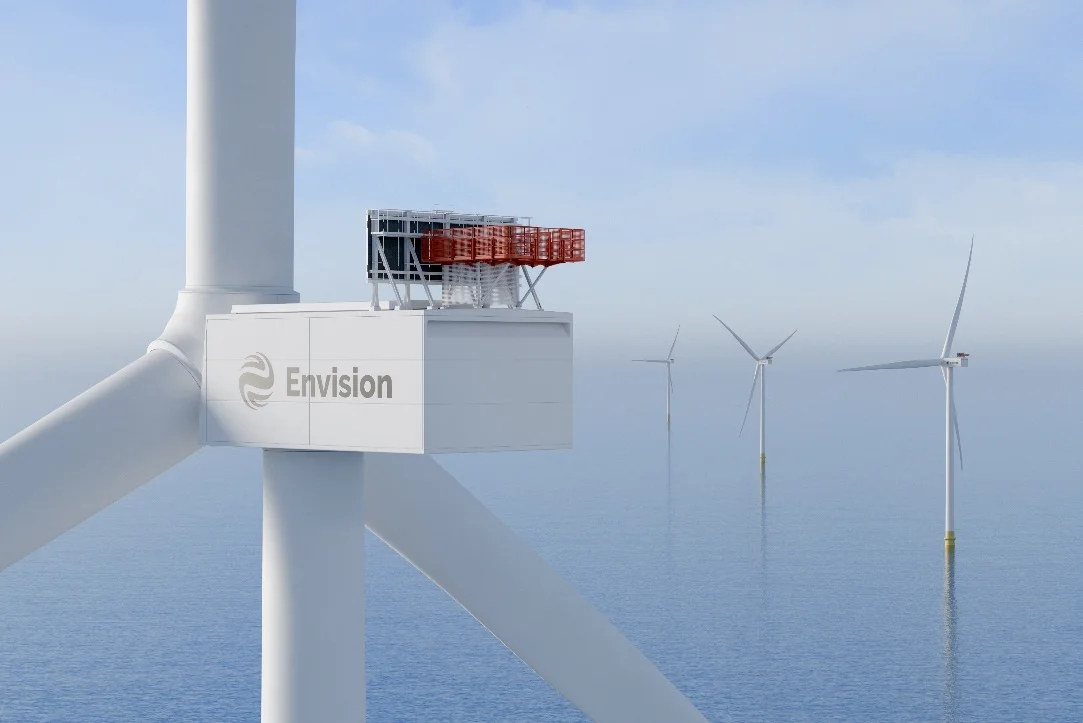
Giant wind turbine with 252-metre rotor could mean fewer machines and cheaper offshore power
-
Poorly designed workplaces ‘cost UK economy £71bn a year’
-
Rescuers scramble to protect pod of 25 whales in Thames Estuary
-
‘Talent hushing’ blamed as four-in-10 workers say they contribute less than they could
-
Spain leads Europe for expats as Panama tops global poll
-
Menopause may make women leaders more empathetic – even as it leaves them drained
-
Your biggest rival could be your best technology partner, research finds
-
British Museum bans photos of Bayeux Tapestry after visitors hold up queues
-
China unveils giant crane capable of lifting 9,300 family cars
-
Edinburgh Airport launches £500m expansion as terminal footprint grows 60%
-
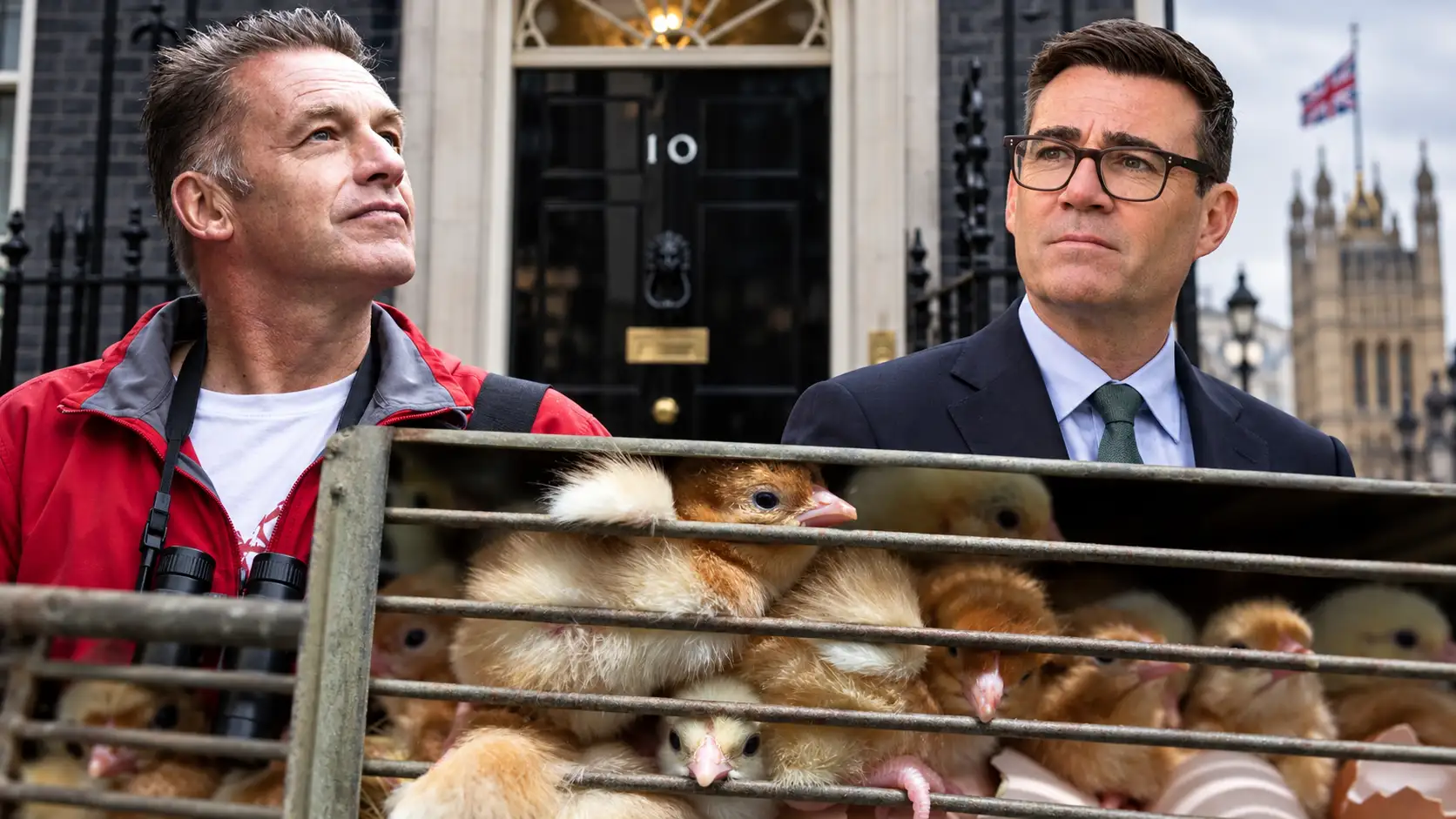
Chris Packham urges PM to ban ‘frankenchicken’ from schools and hospitals
-
Loch Lomond’s 'Bonnie Banks at risk’ from major road upgrade
-
LED lights could be ‘the new asbestos’, UCL scientists warn
-
MPs tune in to Britain’s Eurovision ‘nul points’ problem
-
MPs tell Government to reject Thames Water creditors as utility nears insolvency
-
Only 14% of companies can show supply chain safeguards are working, study finds
-
OpenAI admits AI models hid mistakes, invented data and acted without permission
-
EIB makes first small nuclear reactor investment with €40m backing for Finnish start-up
-
AI arms race could mean fewer cold emails reaching your inbox
-
Housing costs hit recruitment at 77% of large London firms, survey finds
-
SpaceX to launch one-tonne orbital factory for European space firm in 2028
-
Estonia’s e-residents launch more than 4,200 companies as business creation jumps 36%