King Charles’s joke about ageing exposes the fears older men rarely discuss
Dr Stephen Whitehead explores why older men struggle to discuss ageing, vulnerability and identity, and how openness can create deeper...

Powerful men need to hear ‘no’ from people they can’t sack
Wealth and status can insulate powerful men from criticism, but Stephen Whitehead asks what happens when nobody around them dares...
Grandfathers can play vital role in preventing boys being brainwashed by the manosphere
Dr Stephen Whitehead argues grandfathers can help boys resist manosphere misogyny by sharing honest lessons about ageing, relationships and vulnerability.

For Your Eyes Only. Why the new Bond needs a woman’s perspective
Dr Stephen M. Whitehead argues that a woman in her 40s could redefine James Bond through emotional intelligence, maturity and...

The coach driver building a dating platform in his sixties
Dr Stephen M. Whitehead meets Kevin Peddie, 61, who is building LoveHuddle, a dating platform centred on conversation rather than...
Losing the top job can help business heirs find their own identity
Dr Stephen Whitehead explores how Adrian Cheng is building his own business identity after leaving the family empire’s top job.

Serbia erupts in celebration as student protesters end Vučić’s 14-year grip on power
Serbia’s student-led movement claims a parliamentary victory after nearly two years of protests sparked by a deadly railway station collapse.

AI could leave us with more free time but less reason to live
Dr Stephen Whitehead warns that AI could remove meaningful work, leaving people with more free time but less purpose.

AI threatens the careers our schools still teach children to expect
Dr Stephen Whitehead argues that schools must prepare children for AI-driven career uncertainty by developing resilience and self-worth beyond work.

A Thai queen’s solo jet flight shatters the male macho pilot stereotype
Dr Stephen Whitehead explores how Queen Suthida’s solo Gripen flight challenges gender stereotypes and redefines women’s roles in military aviation.
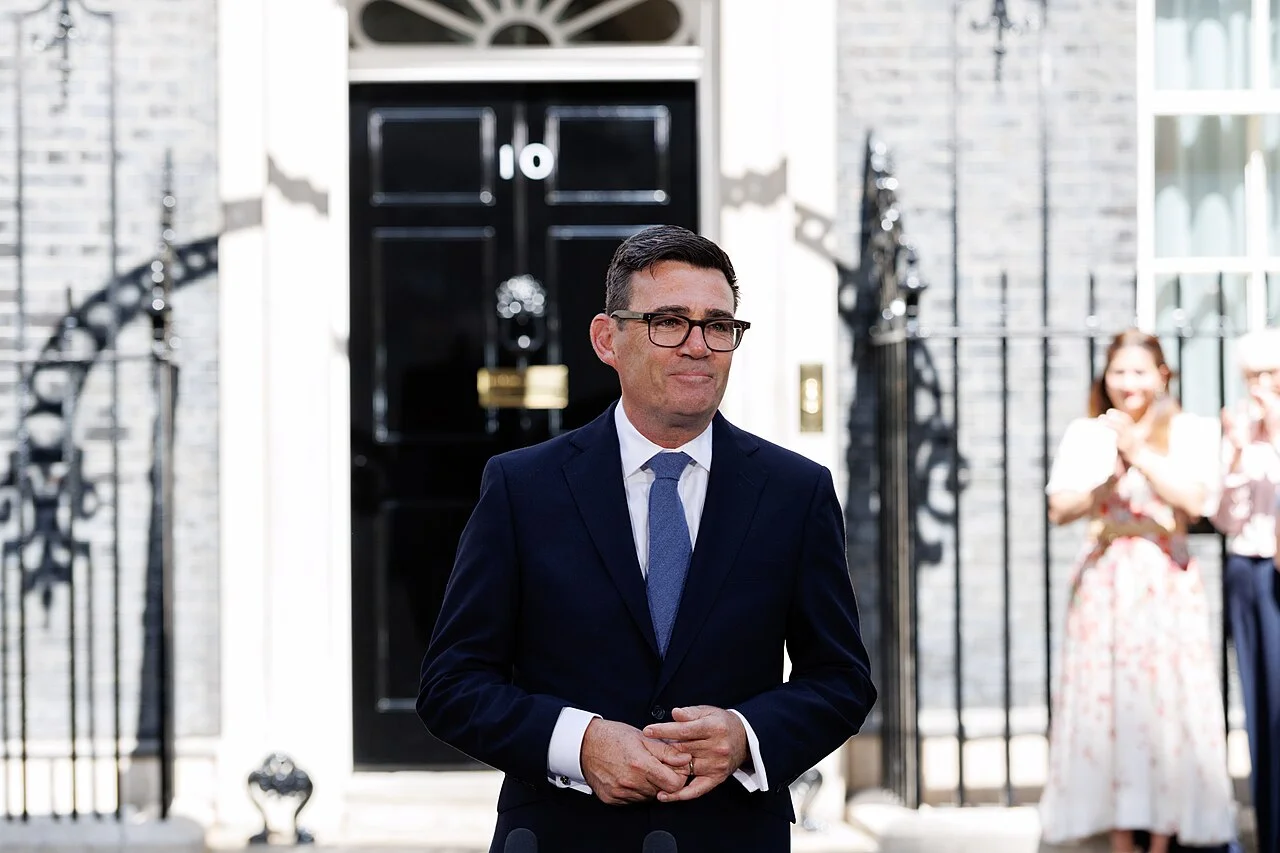
Strong leaders know when to make a U-turn
Dr Stephen Whitehead explores why credible leaders must change course when evidence shows a decision is failing, rather than persist.

The five types of masculinity and what they reveal about modern men
Dr Stephen Whitehead explores five types of masculinity and how changing work, relationships and ageing reshape men’s identities.

Who pays the price when men withdraw from society?
Dr Stephen Whitehead examines how prolonged male withdrawal affects families, relationships, workplaces and wider society, and what governments can do.

Why men are increasingly withdrawing from society
Dr Stephen Whitehead examines why some men withdraw from society as work, relationships, status and traditional forms of masculinity change.

What the rise of synthetic companionship reveals about men and women
Dr Stephen Whitehead explores how synthetic companionship reflects changing expectations, autonomy and emotional intimacy between men and women.
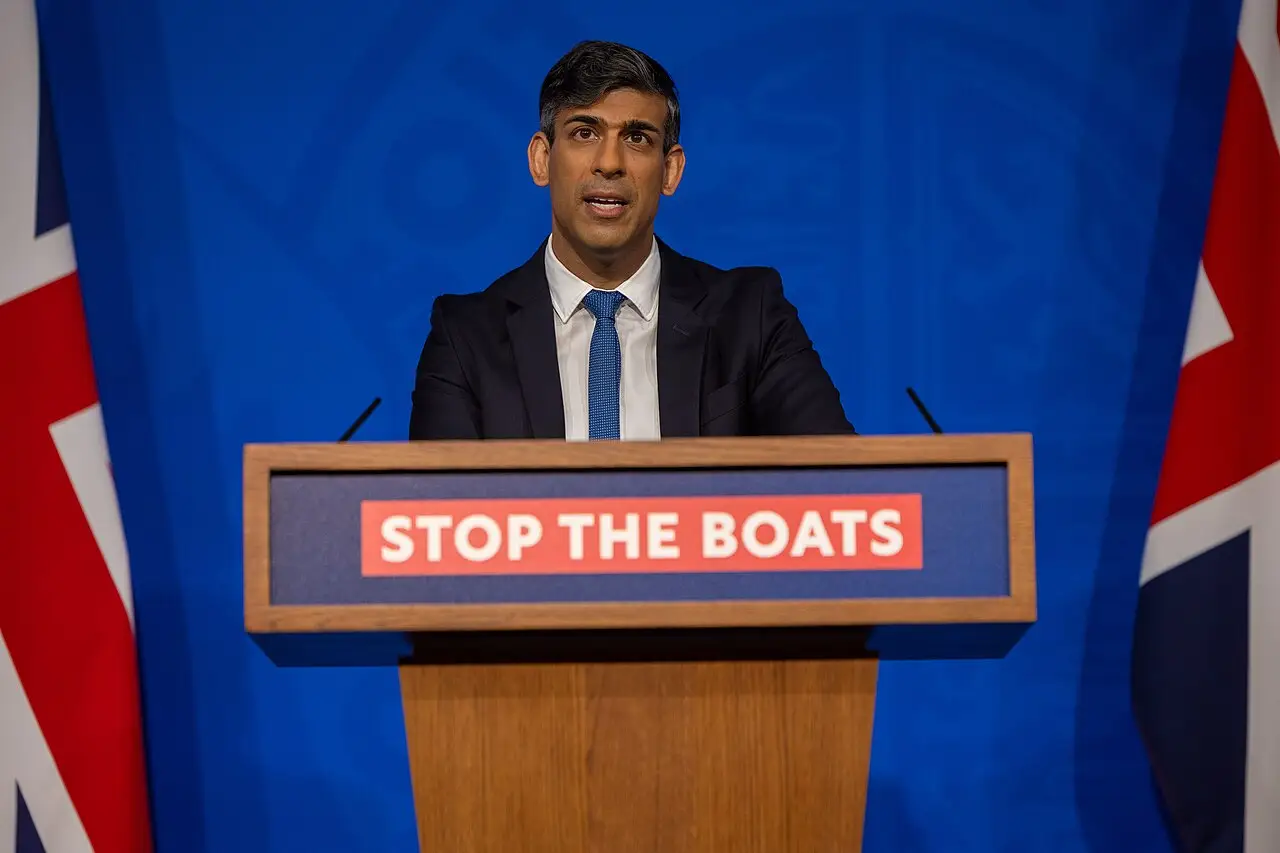
Why the Dover blockade was about far more than migrants
Dr Stephen Whitehead examines how male insecurity, lost status and collective power shaped the protests at the Port of Dover.