
Microsoft pulls out of major UK AI data centre project amid power grid delays

John E. Kaye
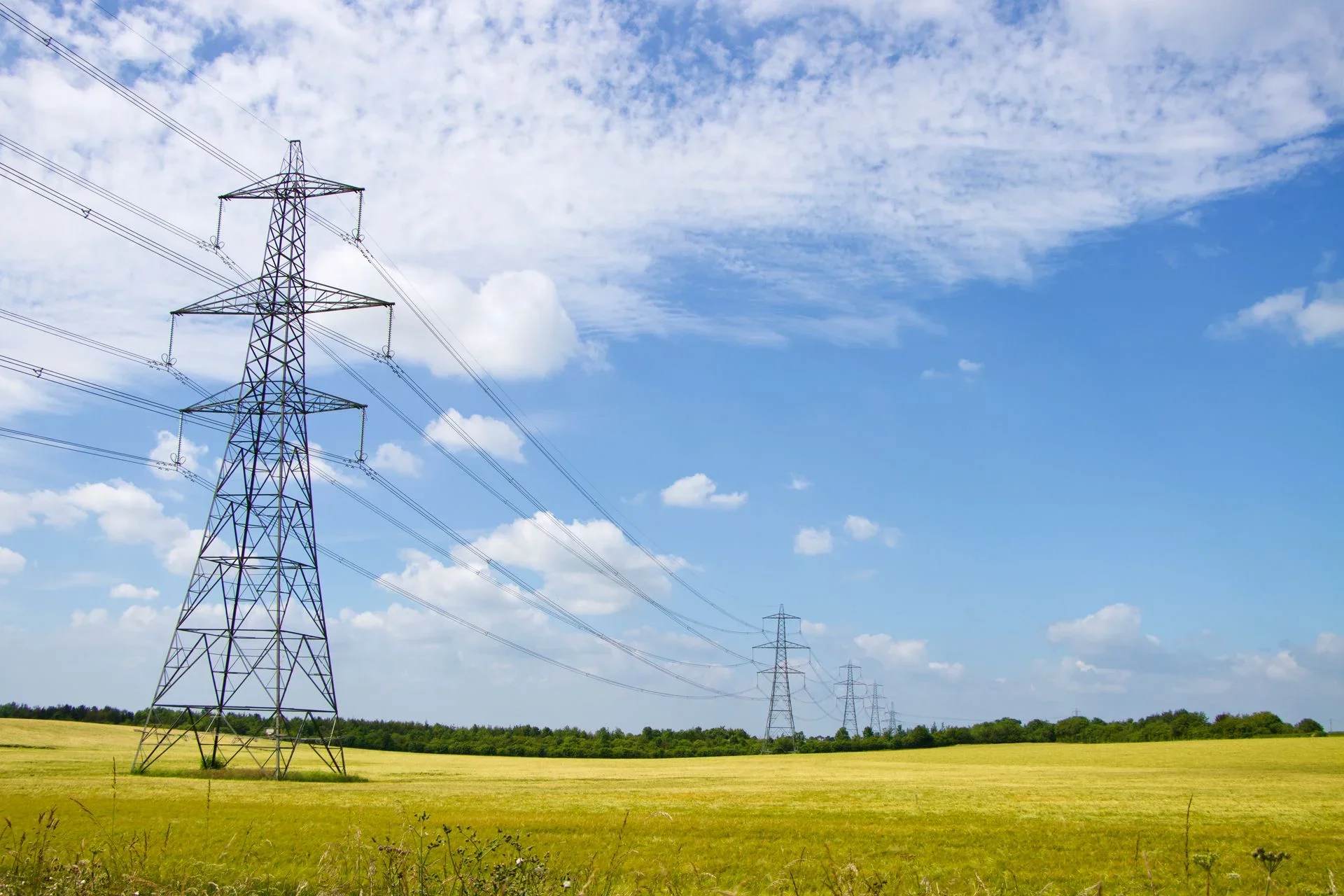
The technology giant has withdrawn from a flagship supercomputing development in Essex amid warnings that electricity supplies could be delayed until the 2030s, raising questions about Britain’s ability to deliver its ambitious AI infrastructure plans
Microsoft has pulled out of a major artificial intelligence data centre project in Essex amid warnings that the site may not receive sufficient electricity supplies until the 2030s.
The United States technology giant has terminated its agreement with British AI infrastructure company Nscale for a planned development in Loughton, which was intended to house the UK’s largest AI supercomputer.
The decision, first reported by The Telegraph, follows repeated delays to the project, with electricity network officials reportedly warning that a grid connection could be several years away.
Microsoft has not publicly explained its decision and declined to comment when approached by Reuters.
The withdrawal represents a significant setback for a development announced as part of Microsoft’s wider £22 billion investment commitment to British AI infrastructure and operations between 2025 and 2028.
Announced in September 2025, the Loughton project was intended to provide 50MW of AI computing capacity, with scope to expand to 90MW, and accommodate more than 23,000 advanced Nvidia graphics processing units.
The facility was originally expected to receive its first graphics processing units in the first quarter of 2027, with Microsoft planning to use the infrastructure to deliver its Azure cloud services.
Nscale had announced the development as part of a wider programme involving Microsoft, Nvidia and OpenAI, supporting Britain’s ambitions to develop advanced AI computing capabilities.
Despite the loss of its principal customer for the Essex site, Nscale insists that the project will proceed.
A spokesperson for the Nvidia-backed company – which provides data centres, computing power and software used by technology businesses to develop and operate AI systems – told Reuters that its wider commercial relationship with Microsoft remains intact and that the difficulties are confined to the Loughton development.
“Our relationship with Microsoft remains strong and long-term, and this unfortunate London-wide grid issue has no impact on our other contracts,” they said.
“We remain committed to both the Loughton project and the UK, and we are exploring alternative power sources for the site, in addition to other expansion sites in the UK.”
The companies continue to collaborate on other AI infrastructure projects, including developments in Norway, Portugal and the United States.
The Essex setback comes at a sensitive time for Nscale, which filed for a proposed flotation on the United States stock market in September.
Its stock market filing reported approximately US$103.4 billion in active and contracted total contract value as of August 31, 2026, including agreements for computing capacity scheduled to become available in future years.
Microsoft and AI company Anthropic are among Nscale’s largest customers, making the delivery of major infrastructure projects important to its future commercial performance.
The setback comes as the government pushes ahead with its AI Opportunities Action Plan, launched in January 2025 to accelerate investment in artificial intelligence and expand Britain’s domestic computing capacity.
A central part of the strategy is the creation of AI Growth Zones, where faster planning decisions and improved access to electricity are intended to encourage major data centre developments.
But the cancellation of the Microsoft deal highlights the growing pressure on Britain’s electricity network as technology companies seek substantial amounts of power for new data centres.
In a policy paper published in November 2025, ministers identified lengthy grid-connection delays as one of the biggest obstacles to delivering the infrastructure needed to support the UK’s AI ambitions.
And according to the Financial Times, applications from 315 proposed data centres represent approximately 73GW of requested electricity capacity, exceeding Britain’s peak national electricity demand of around 45GW.
Britain’s National Energy System Operator has acknowledged that lengthy connection queues have delayed investment across the economy, including in industrial facilities and data centres.
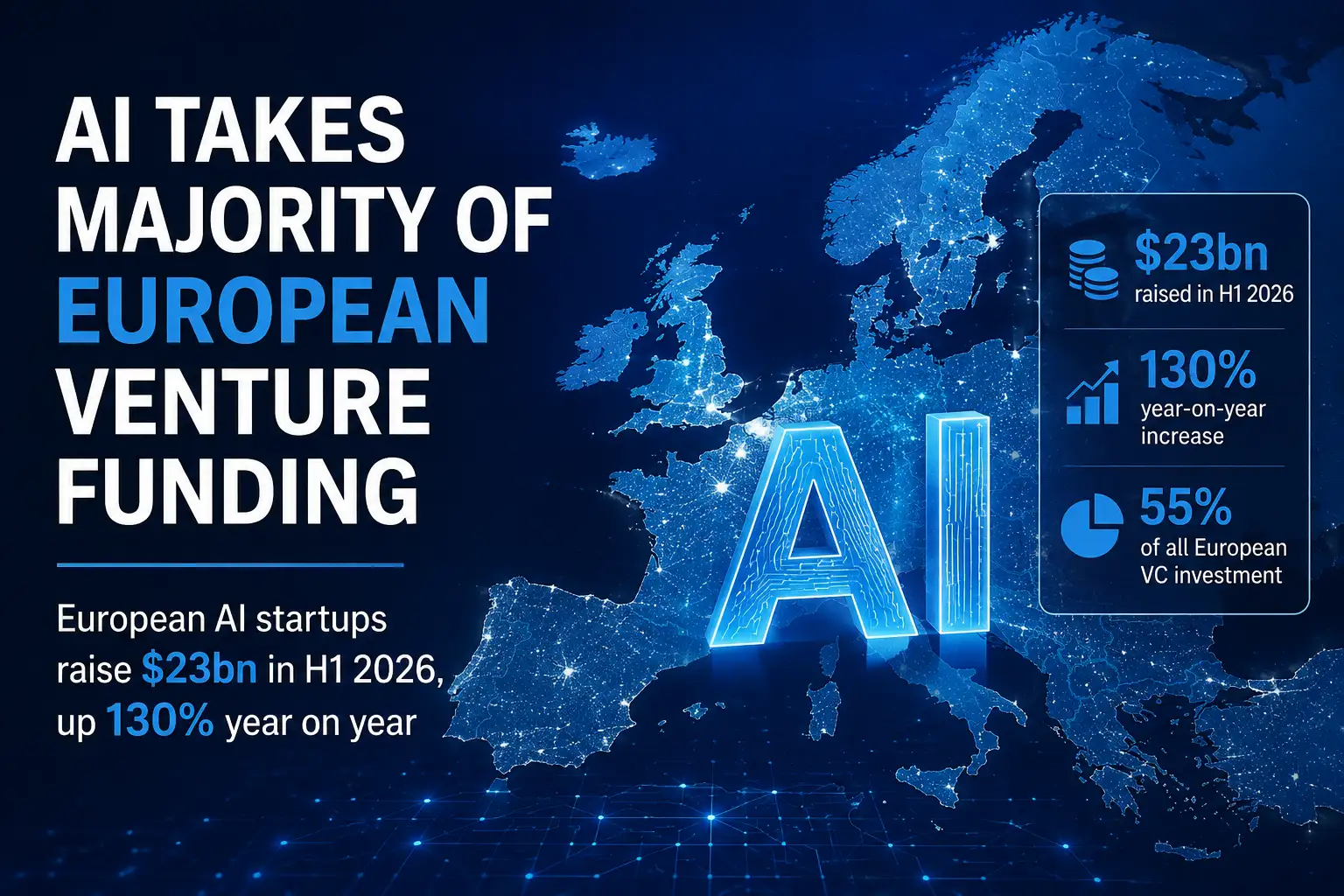
READ MORE: AI takes majority of European venture funding as money floods into few firms. HumanX and Crunchbase say European AI startups raised $23bn in first half, with 73 per cent of capital going to 38 companies.
Do you have news to share or expertise to contribute? The European welcomes insights from business leaders and sector specialists. Get in touch with our editorial team to find out more.
Main Image: Eclipse Chasers / Pexels
TOP STORIES
-
 Microsoft pulls out of major UK AI data centre project amid power grid delays
-
Nearshore supply chains: why Costa Rica is emerging as a strategic gateway for global manufacturing and innovation
-
Kuwait deepens capital market reforms as Boursa Kuwait scoops triple honours
-
Smart manufacturing: why Costa Rica is quietly positioning itself as Latin America’s next industrial innovation hub
-
How MCI became essential to Costa Rica’s Medtech rise
-
BAC strengthens its strategic role in Costa Rica’s life sciences ecosystem
-
BP appoints Ian Tyler chairman after Albert Manifold ousting
-
They came to Malta as nomads. Then stayed on as founders
-
Fuel management software is becoming a working-capital tool for smaller fleet businesses
-
LEGO sales soar 22% amid World Cup, F1 and Star Wars push
-
Why entrepreneurs choose the wrong countries
-
European investors can now trade thousands of US stocks through Kraken
-
Ex-Lenovo executive Sabine Hammer to lead Infinigate’s DACH business
-
AI takes majority of European venture funding as money floods into few firms
-
Costa Rica’s MedTech firms now run services, not just factories
-
Saab lands German frigate deal after Poland submarine order
-
Xavier Niel to become Vodafone’s largest shareholder in £4.4bn deal
-
BlueCrest says UK is ‘no longer serious place for business’ after £200m tax defeat
-
KPMG keeps Klaus Becker in charge of 100-country Europe, Middle East and Africa operation
-
De Niro's Nobu heads to the country with first rural hotel in Rutland
-
Liechtenstein’s stability becomes a strategic advantage in fragmented Europe
-
Germany opens door to Indian startups with Berlin launch
-
Uzbekistan’s banking reforms signal new phase in global investment push
-
Inside Qantas’ new ultra-long-haul A350s with stretch zone, jet lag lighting and fewer seats
-
Luxury SUV market forecast to top $33bn by 2036 as electric models and bigger vehicles drive demand













Microsoft pulls out of major UK AI data centre project amid power grid delays
John E. Kaye
TOP STORIES
-
Microsoft pulls out of major UK AI data centre project amid power grid delays
-
Nearshore supply chains: why Costa Rica is emerging as a strategic gateway for global manufacturing and innovation
-
Kuwait deepens capital market reforms as Boursa Kuwait scoops triple honours
-
Smart manufacturing: why Costa Rica is quietly positioning itself as Latin America’s next industrial innovation hub
-
How MCI became essential to Costa Rica’s Medtech rise
-
BAC strengthens its strategic role in Costa Rica’s life sciences ecosystem
-
BP appoints Ian Tyler chairman after Albert Manifold ousting
-
They came to Malta as nomads. Then stayed on as founders
-
Fuel management software is becoming a working-capital tool for smaller fleet businesses
-
LEGO sales soar 22% amid World Cup, F1 and Star Wars push
-
Why entrepreneurs choose the wrong countries
-
European investors can now trade thousands of US stocks through Kraken
-
Ex-Lenovo executive Sabine Hammer to lead Infinigate’s DACH business
-
AI takes majority of European venture funding as money floods into few firms
-
Costa Rica’s MedTech firms now run services, not just factories
-
Saab lands German frigate deal after Poland submarine order
-
Xavier Niel to become Vodafone’s largest shareholder in £4.4bn deal
-
BlueCrest says UK is ‘no longer serious place for business’ after £200m tax defeat
-
KPMG keeps Klaus Becker in charge of 100-country Europe, Middle East and Africa operation
-
De Niro's Nobu heads to the country with first rural hotel in Rutland
-
Liechtenstein’s stability becomes a strategic advantage in fragmented Europe
-
Germany opens door to Indian startups with Berlin launch
-
Uzbekistan’s banking reforms signal new phase in global investment push
-
Inside Qantas’ new ultra-long-haul A350s with stretch zone, jet lag lighting and fewer seats
-
Luxury SUV market forecast to top $33bn by 2036 as electric models and bigger vehicles drive demand



