As global supply chains undergo one of the most significant transformations in modern economic history, businesses are increasingly reassessing where and how they manufacture, source, and distribute products. Geopolitical tensions, pandemic-era disruptions, rising logistics costs, and growing pressure for operational resilience have accelerated a major strategic shift toward nearshoring – and Costa Rica is rapidly emerging as one of the most attractive destinations in the Americas for this new era of supply chain realignment
Once viewed primarily as a tourism and agriculture-driven economy, Costa Rica has quietly built a sophisticated ecosystem capable of supporting advanced manufacturing, engineering services, life sciences, digital operations, and high-value export industries. Today, multinational corporations are increasingly recognising the country not simply as a low-cost manufacturing base but as a stable, innovation-focused strategic partner within regional and global supply chains.
As companies seek alternatives to highly concentrated production networks in Asia and other distant markets, Costa Rica’s combination of political stability, skilled talent, sustainability leadership, and international trade access is placing it firmly at the centre of the nearshoring conversation.
The global shift toward nearshoring
For decades, many global companies prioritised supply chain efficiency above all else, concentrating production in low-cost manufacturing hubs often located thousands of miles away from major consumer markets. While this model delivered substantial cost savings, recent global events exposed the vulnerabilities of highly fragmented and geographically distant supply chains.
The COVID-19 pandemic created severe disruptions across international logistics networks, leading to shortages, delays, shipping congestion, and rising transportation costs. At the same time, geopolitical tensions between major economic powers, concerns over trade restrictions, and growing uncertainty around global manufacturing dependencies prompted businesses to reconsider their sourcing strategies.
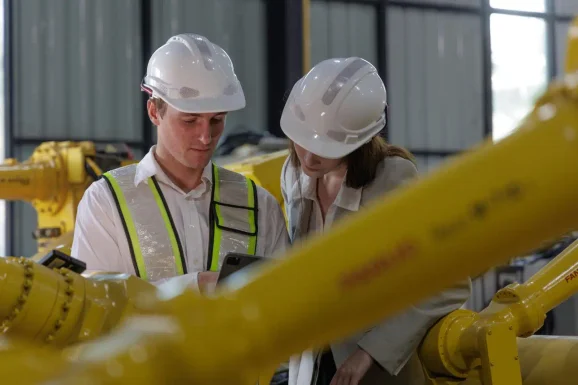
Nearshoring has emerged as a strategic response to these challenges. Rather than relying exclusively on distant production centres, companies are increasingly relocating manufacturing and operational activities closer to their end markets. The objective is not simply cost reduction but greater resilience, flexibility, speed-to-market, and risk mitigation.
For companies serving North American and Latin American markets, Costa Rica offers a compelling solution.
Costa Rica’s strategic geographic advantage
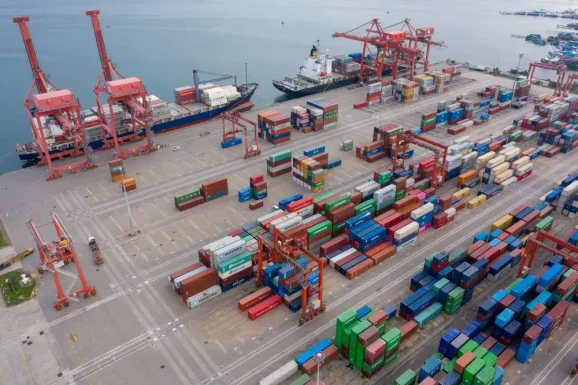
Costa Rica’s location between North and South America provides direct access to major international trade routes and key regional markets. Its proximity to the United States – one of the world’s largest consumer economies – significantly reduces shipping times compared to Asian manufacturing hubs, enabling companies to improve delivery speed and reduce transportation complexity.
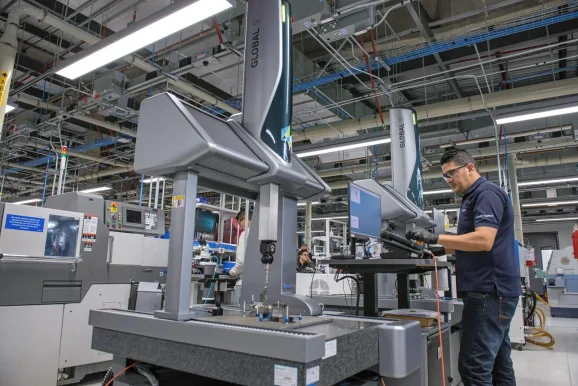
This geographic advantage has become increasingly valuable in sectors where rapid fulfilment, supply chain agility, and inventory optimisation are critical competitive factors.
In addition, Costa Rica benefits from strong trade integration through multiple free trade agreements, including agreements with the United States, the European Union, Canada, and numerous Latin American countries. These agreements provide favourable market access conditions and help multinational firms operate more efficiently across international markets.
The country’s modern free trade zone regime has also been instrumental in attracting export-oriented industries. These zones provide tax incentives, customs efficiencies, and operational support designed to encourage foreign direct investment in high-value sectors.
As global businesses diversify supply chains away from single-market dependency, Costa Rica is increasingly positioned as a secure and strategic regional hub.
Advanced manufacturing driving supply chain integration
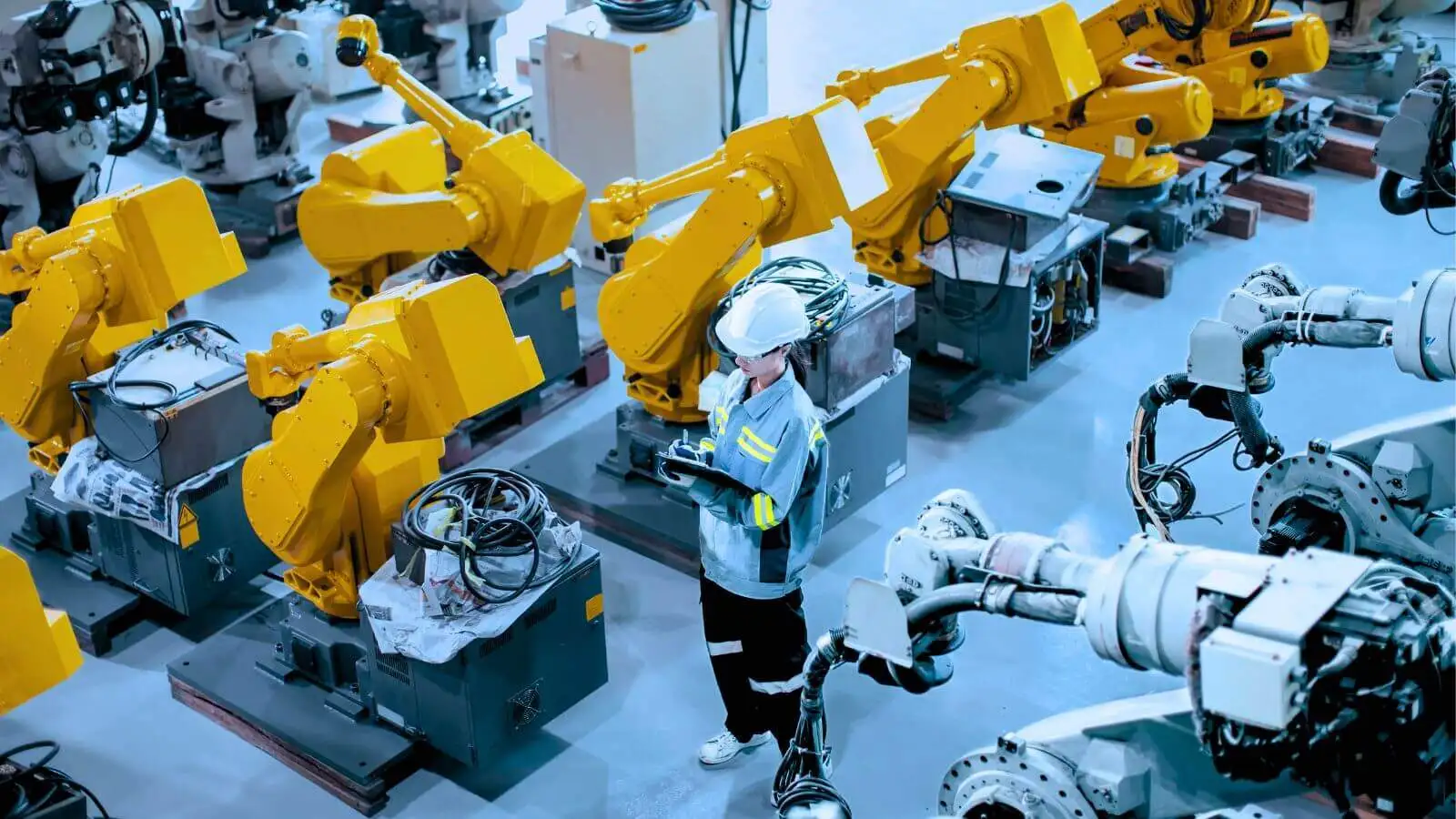
One of Costa Rica’s greatest strengths within the nearshoring landscape is the sophistication of its manufacturing sector. Unlike many emerging markets that compete primarily on low labour costs, Costa Rica has focused on developing advanced, quality-driven manufacturing capabilities.
The country has become internationally recognised for its medical technology sector, which includes the production of surgical instruments, diagnostic equipment, healthcare devices, and precision-engineered components. Many of the world’s leading medical technology firms now operate significant facilities in Costa Rica, exporting products to global healthcare markets.

This industrial ecosystem has helped establish the country as a centre for precision manufacturing, regulatory compliance, engineering expertise, and supply chain reliability.
Beyond medical devices, Costa Rica has also expanded into electronics, aerospace support, advanced materials, automotive-related manufacturing, and digital business services. Importantly, many multinational companies have steadily increased the complexity of their operations within the country, evolving from simple assembly processes toward integrated production, engineering, and research functions.
This upward movement within the value chain reflects growing international confidence in Costa Rica’s operational capabilities. For companies seeking resilient nearshore partners, the ability to combine manufacturing excellence with engineering support and innovation capacity represents a major competitive advantage.
Human capital and technical expertise
A key factor behind Costa Rica’s success in attracting nearshore investment is its highly educated workforce. The country has consistently invested in education, technical training, and workforce development, resulting in one of the strongest talent pools in Latin America.
Multinational companies operating in Costa Rica benefit from access to engineers, software developers, technicians, finance professionals, and multilingual business specialists capable of supporting complex international operations.
English proficiency, strong digital skills, and a culture of continuous learning have further strengthened Costa Rica’s attractiveness for global firms seeking regional operational hubs.
As supply chains become increasingly technology-driven, talent availability is becoming just as important as manufacturing infrastructure. Companies now require operational environments capable of supporting automation, data analytics, cybersecurity, artificial intelligence integration, and digital logistics management.
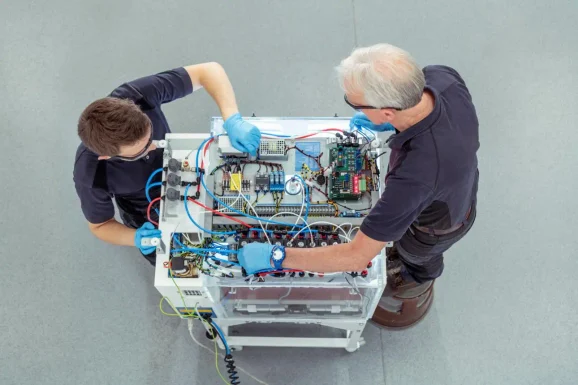
Costa Rica’s growing expertise across these areas positions the country well for the next generation of nearshore investment opportunities.
Universities and technical institutions have also played an important role by collaborating with private industry to align educational programmes with evolving labour market demands. This partnership-driven approach helps ensure that workforce capabilities continue to evolve alongside global industry requirements.
Sustainability and ESG alignment
Another major factor influencing modern supply chain decisions is sustainability. Increasingly, multinational corporations are under pressure from investors, regulators, and consumers to improve ESG performance and reduce environmental impact across global operations.
Costa Rica’s global reputation for environmental leadership provides a significant advantage in this area.
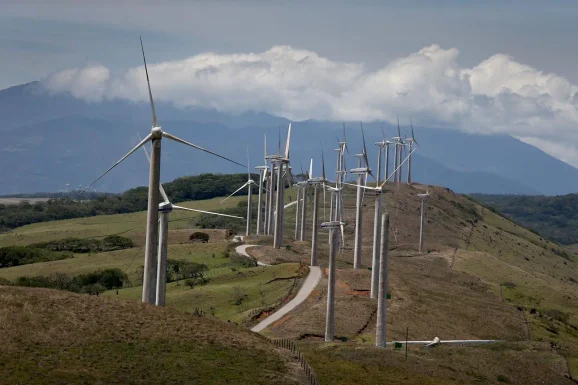
The country is internationally recognised for its commitment to renewable energy, biodiversity conservation, and sustainable development. A substantial proportion of Costa Rica’s electricity is generated through renewable sources including hydroelectric, geothermal, wind, and solar energy.
For multinational firms seeking lower-carbon supply chains, Costa Rica offers an attractive operational environment that aligns with long-term sustainability goals.
This sustainability advantage extends beyond energy production. Environmental quality, political stability, healthcare systems, and overall quality of life also make Costa Rica an appealing destination for international executives, engineers, and highly skilled professionals.
As ESG considerations become more deeply integrated into investment and procurement strategies, Costa Rica’s positioning as a sustainable nearshore partner is likely to strengthen further.
Challenges and future opportunities
Despite its strong momentum, Costa Rica must continue investing in infrastructure, logistics, and digital connectivity to maintain competitiveness within the rapidly evolving nearshore landscape.
Regional competition is intensifying, with several Latin American countries actively seeking to attract manufacturing and technology investment linked to supply chain diversification. To remain ahead, Costa Rica will need to continue strengthening transportation infrastructure, expanding technical education, and supporting innovation ecosystems.
However, the country’s long-term outlook remains highly positive. Its combination of political stability, skilled talent, sustainability leadership, and advanced manufacturing capabilities creates a unique value proposition within the Americas.
As companies continue to prioritise resilience, flexibility, and strategic proximity in supply chain planning, Costa Rica is increasingly emerging not simply as an alternative manufacturing destination but as a long-term innovation and operational partner.

The evolution of nearshore supply chains is reshaping global commerce, and Costa Rica is positioning itself at the forefront of this transformation.
Further Information
Produced with support from CINDE. To find out more about Costa Rica’s life-sciences sector and investment opportunities, visit www.cinde.org
READ MORE: Inside Cartago’s US$1.186bn green investment hub. With 23 multinationals, more than 10,000 direct jobs and US$1.186bn in investment, La Lima Free Zone Park, a one million-square-metre business park in Cartago recognised among the world’s 50 most sustainable free zones, has turned the Costa Rican province into one of Costa Rica’s strongest hubs for life sciences, advanced manufacturing and specialised services.
Do you have news to share or expertise to contribute? The European welcomes insights from business leaders and sector specialists. Get in touch with our editorial team to find out more.