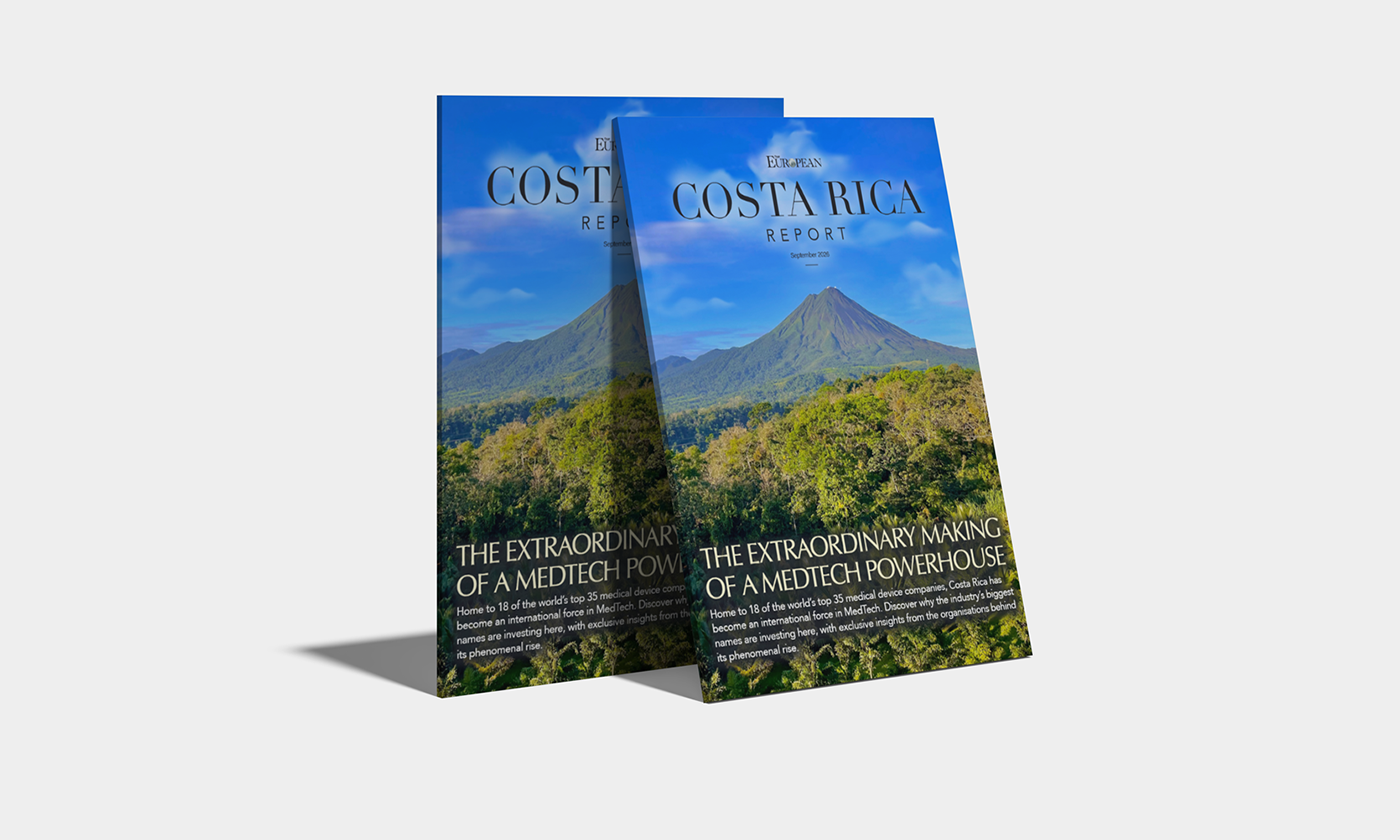
From cardiovascular devices to surgical robotics, a small Central American nation has quietly become home to 18 of the world’s top 35 medical device companies, and the industry is only accelerating
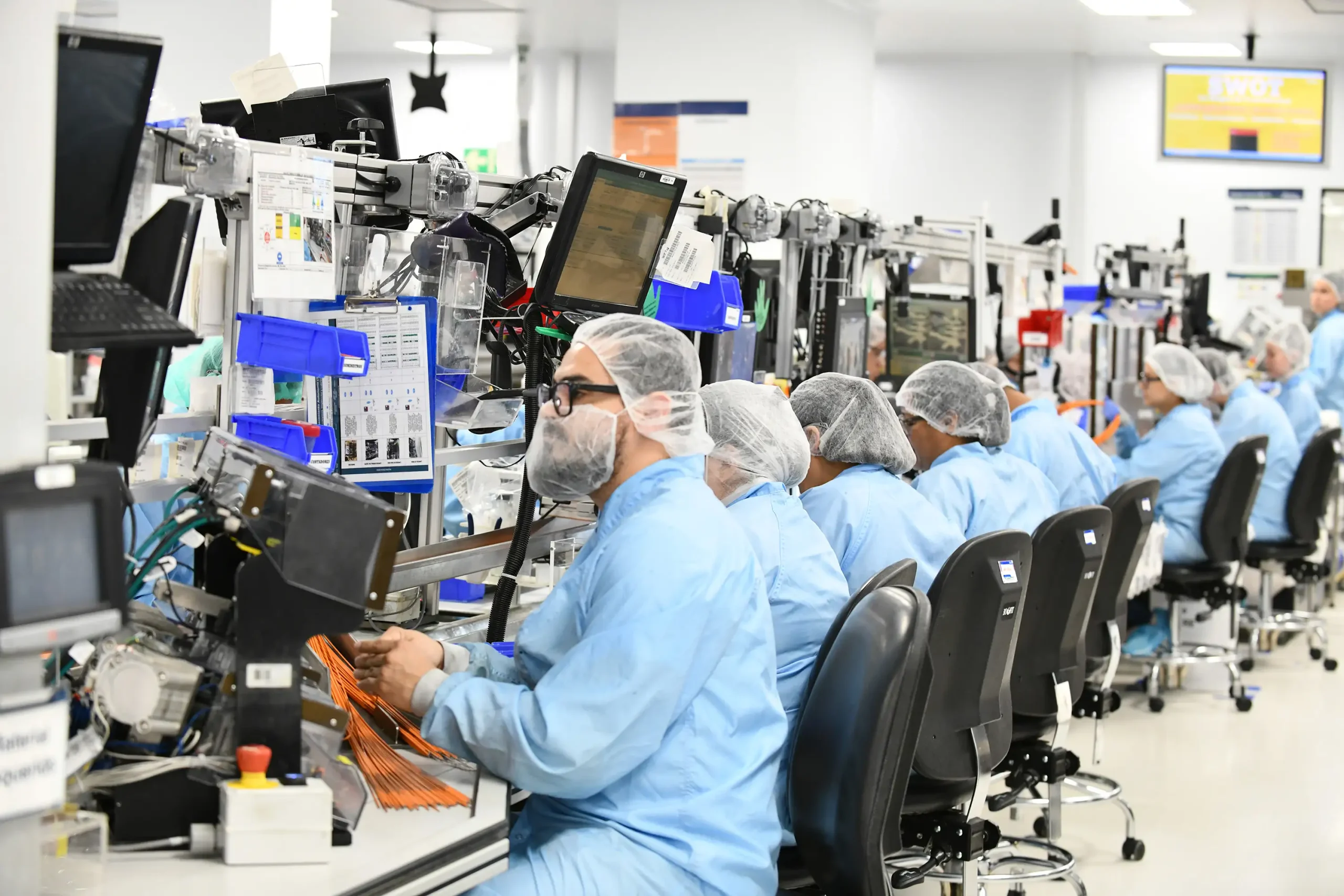
Eighteen of the world’s top 35 medical device companies have chosen Costa Rica as a manufacturing base. Abbott, Boston Scientific, Edwards Lifesciences, Medtronic, J&J MedTech, Zimmer Biomet, and a dozen others have not arrived by accident. They arrived because Costa Rica spent 35 years building the conditions that make precision manufacturing viable at scale.
The results are measurable. In 2025, medical device exports surpassed US$10.9 billion, representing 48 per cent of the country’s total goods exports. Employment in the sector reached 62,904 workers, growing at a compound rate of 10.5 per cent per year over the past five years. Precision and medical equipment exports within the Free Trade Zone regime have expanded at 16 per cent annually since 2007, now accounting for 70 per cent of all FTZ exports. Costa Rica ranks as the second-largest medical device exporter in Latin America and the fifth-largest supplier to the United States.
The country made a deliberate decision to compete on complexity, and it has delivered on that bet.
“Costa Rica is no longer competing for assembly plants,” says Marianela Urgelles, Managing Director of CINDE, the private investment promotion agency that has guided the country’s FDI strategy for more than four decades. “The companies that come here are looking for precision, regulatory compliance, and a workforce capable of handling the most demanding production standards in the industry. That is the platform we have built.”

The breadth of that platform is visible in the subsector map. What began with five medical specialisations in 2000 now spans 16, including cardiovascular, neuroendovascular, orthopaedics, optics, diagnostics, aesthetics, pharmaceutical manufacturing, and apheresis systems. More than 30 life sciences companies also run corporate and IT services operations from the country, reflecting how deeply manufacturing and knowledge-intensive functions have converged on the same base.
For European companies evaluating supply chain strategy, the commercial logic is straightforward. Costa Rica offers tariff-free access to the U.S market under CAFTA-DR, proximity to the world’s largest MedTech consumer, and a regulatory environment aligned with FDA standards. The Free Trade Zone regime, which channels 74 per cent of all FDI inflows, provides a stable fiscal framework that has survived multiple political cycles. FDI into the country has grown at an average of 8.8 per cent annually since 2000, surpassing US$5 billion in both 2024 and 2025.
“Investment decisions today are driven by resilience and market access,” Urgelles says. “Costa Rica gives companies a manufacturing base that is geographically close to the U.S, politically stable, and deeply integrated into the global MedTech supply chain. That combination is rare and increasingly valuable.”
The pipeline confirms the trajectory. Fourteen confirmed MedTech projects are set to begin operations between 2026 and 2028, spanning contract manufacturing, specialised suppliers, and high-complexity segments including cardioendovascular and neuroendovascular devices. Among the companies entering or expanding in this cycle: Boston Scientific opening a third manufacturing site, Johnson & Johnson entering cardiovascular and orthopaedics, and Zimmer Biomet and Penumbra establishing new facilities. Kardium, focused on atrial fibrillation devices, is also among the incoming names.
One of the most strategically significant aspects of the Costa Rica proposition is the supplier ecosystem. A dense network of contract manufacturers, precision component suppliers, coating specialists, and sterilisation service providers has developed around the original OEM base, creating an industrial cluster with its own gravitational pull. Confluent Medical, Freudenberg Medical, Tegra Medical, Resonetics, and more than 20 other contract manufacturers operate in the country, concentrated in free trade parks in Alajuela, Cartago, and Heredia.
“A specialised supplier can serve 15 or 20 manufacturers from a single location,” Urgelles notes. “That reduces dependence on external supply chains, strengthens the permanence of investment, and raises the resilience of the entire ecosystem. The investment that enters through the supplier channel is just as strategic as finished product investment.”
That argument carries weight in the current environment. With global MedTech FDI project volumes falling 25 per cent in 2025 and U.S companies reducing outbound investment to a decade low, the projects that do move are going to destinations with proven track records and low execution risk. Costa Rica attracted six to seven new multinational MedTech projects per year since 2023, a rate that held even as global deal flow contracted.
The industry’s confidence in its own trajectory is reflected in the events it convenes. In June 2026, CINDE hosted the fifth edition of the Life Sciences Forum in San José, gathering executives, investors, and policymakers to define the sector’s strategic priorities for the next decade. In November 2026, CINDE will send a delegation to Medica Trade Fair in Düsseldorf, the world’s largest medical technology event, to engage directly with European companies evaluating their next manufacturing investment.
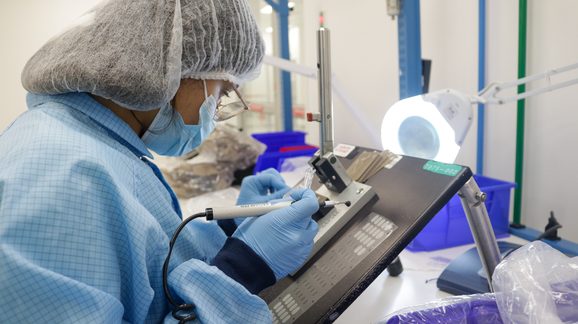
The global medical device market is projected to grow from US$572 billion in 2025 to more than US$1 trillion by 2034, driven by ageing populations, rising healthcare access in emerging markets, and the integration of AI, surgical robotics, and wearable diagnostics into product cycles. Costa Rica, with 18 of the top 35 OEMs already operating and 14 new projects confirmed, is already part of that growth.
“Investment decisions today are no longer just about cost. They’re about whether your supply chain holds when the world gets complicated,” Urgelles says. “Costa Rica has built exactly the kind of base companies are scrambling to find: near the U.S market, stable across political cycles, and woven into the most demanding production networks in the industry.”
Further information
Produced with support from CINDE. To find out more about Costa Rica’s life-sciences sector and investment opportunities, visit www.cinde.org
READ MORE: Costa Rica’s MedTech firms now run services, not just factories. What started as medical-device manufacturing has diversified in value: more than 30 life-sciences multinationals now base business support services, R&D and analytics in Costa Rica.
Do you have news to share or expertise to contribute? The European welcomes insights from business leaders and sector specialists. Get in touch with our editorial team to find out more.