Women form tighter workplace friendships than men, study finds

John E. Kaye
- Published
- News
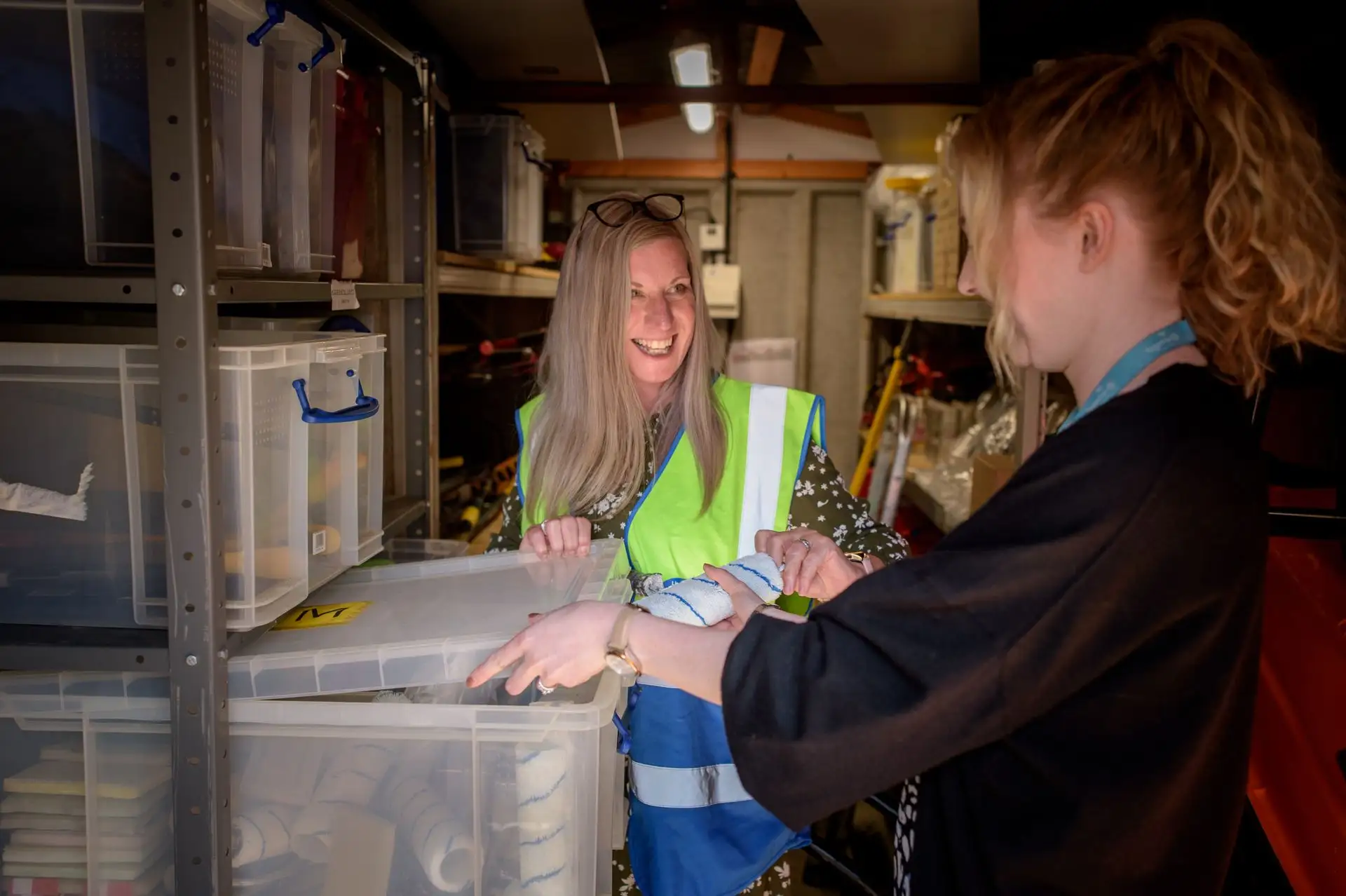
Durham University research suggests women build larger, more closely connected office friendship groups while men are more likely to form selective one-to-one relationships
Women are more likely than men to form close-knit friendship groups at work, according to new research examining how relationships between colleagues develop.
A Durham University-led study found female employees were more likely to become friends with friends of existing friends, creating larger and more interconnected workplace groups.
Those relationships were also more likely to be reciprocated and to involve other women.
Men, by contrast, were less likely to develop friendships through existing connections and tended to form more selective one-to-one relationships with male colleagues.
Researchers said the difference suggested women placed greater emphasis on friendship itself, while men’s workplace relationships were more likely to be formed where they saw potential benefits to their goals.
The findings, published today, come from a longitudinal study involving almost 150 employees during their first ten months within an organisation.
Workers were questioned about the friendships they had formed at four points during that period, allowing researchers to track how their social networks developed over time.
The research was led by Andrew Parker, Professor in Leadership at Durham University Business School, alongside academics from William & Mary’s Raymond A. Mason School of Business and Università della Svizzera Italiana.
The study was published in the journal Social Networks.
Professor Parker said: “Creating friendships at work is vital for employee morale, support and also productivity – with studies showing that people who have a close friendship at work are more likely to be engaged in their work, more productive and more innovative.”
Researchers found female employees were more likely to form tightly connected groups with other women, rather than a series of isolated relationships.
Male friendships were more likely to remain individual connections, with researchers suggesting men were more selective about whom they befriended and more likely to pursue relationships they believed could help them achieve their goals.
Professor Parker said: “However, our research shows that the impact of friendships at work differs when it comes to men and women.
“In fact, our research shows that female friendships are often contributing to the stability of an organization, whereas men’s friendships are more focused on their own benefits.”
The researchers said the different ways men and women form workplace relationships could also have implications for career progression and the gender pay gap.
They suggested women’s friendship groups may provide less access to networking opportunities, resources and influence, while more strategically formed male relationships could be more likely to result in preferential treatment.
The authors said employers should therefore create more opportunities for workers to build relationships across their organisations, giving employees a more equal chance to form connections that could lead to professional opportunities.
READ MORE: Minority women are more visible in the creative industries but still underrepresented in ownership. Minority women are increasingly visible in Europe’s image economy, but their authority to commission, own and profit from those images still lags far behind. The European’s Women, Work and Enterprise correspondent Elle Lorenzoni speaks to Blursday founder Sheena James to find out what closing the gap looks like.
Do you have news to share or expertise to contribute? The European welcomes insights from business leaders and sector specialists. Get in touch with our editorial team to find out more.
Main image: Centre for Ageing Better via Pexels
TOP STORIES
-
 More than 1.2m English drivers may have eyesight too poor for the road, study finds
 -
David Reuben, Britain’s second richest person, leaves London for Monaco
-
UK prisoner release plan faces a major lag as tougher rules risk sending inmates back to jail
-
Brits trust AI with their health but not their money
-
Britain still hungry for Italian food as exports hit €4.56bn despite Brexit
-
Women who earn more than their partners still pay the price at work, landmark study finds
-
Vape expectations go up in smoke as new UK tax sparks fury
-
Robot sales rocket 24% as 250,000 machines snap up jobs in warehouses, hotels and hospitals
-
New-build homeowners should not be left with ‘mud and a fence’, campaigners warn
-
Bank of England governor warns AI poses growing ‘increasingly significant’ threat to financial stability
-
UK economy grows faster than first thought as household incomes bounce back
-
UK unveils ‘Great British Grid’ in bid to cut energy bills
-
British Chambers unite against 'Made in Europe' rules amid fears for UK industry
-
Bouncy castle firms urged to sign new safety pledge following child deaths
-
Remembering Matthew Jukes, The European’s Wine & Fine Drinks Correspondent
-
Michael Dell becomes world's fourth-richest person as Forbes reveals the ten wealthiest billionaires
-
Scientists develop new chemicals to tackle devastating oil spills at sea
-
Closing women's health gap could boost global economy by $1tn a year, leaders say
-
World's first luxury theme park to open in Mexico with £1.1bn of rides, fine entertainment and deliberately limited crowds
-
Dutch court orders Lidl to stop selling Birkenstock sandal lookalikes
-
Giant wind turbine with 252-metre rotor could mean fewer machines and cheaper offshore power
-
Poorly designed workplaces ‘cost UK economy £71bn a year’
-
Rescuers scramble to protect pod of 25 whales in Thames Estuary
-
‘Talent hushing’ blamed as four-in-10 workers say they contribute less than they could
-
Spain leads Europe for expats as Panama tops global poll