Scientists to gather in Lisbon to tackle next pandemic threats

John E. Kaye
- Published
- News
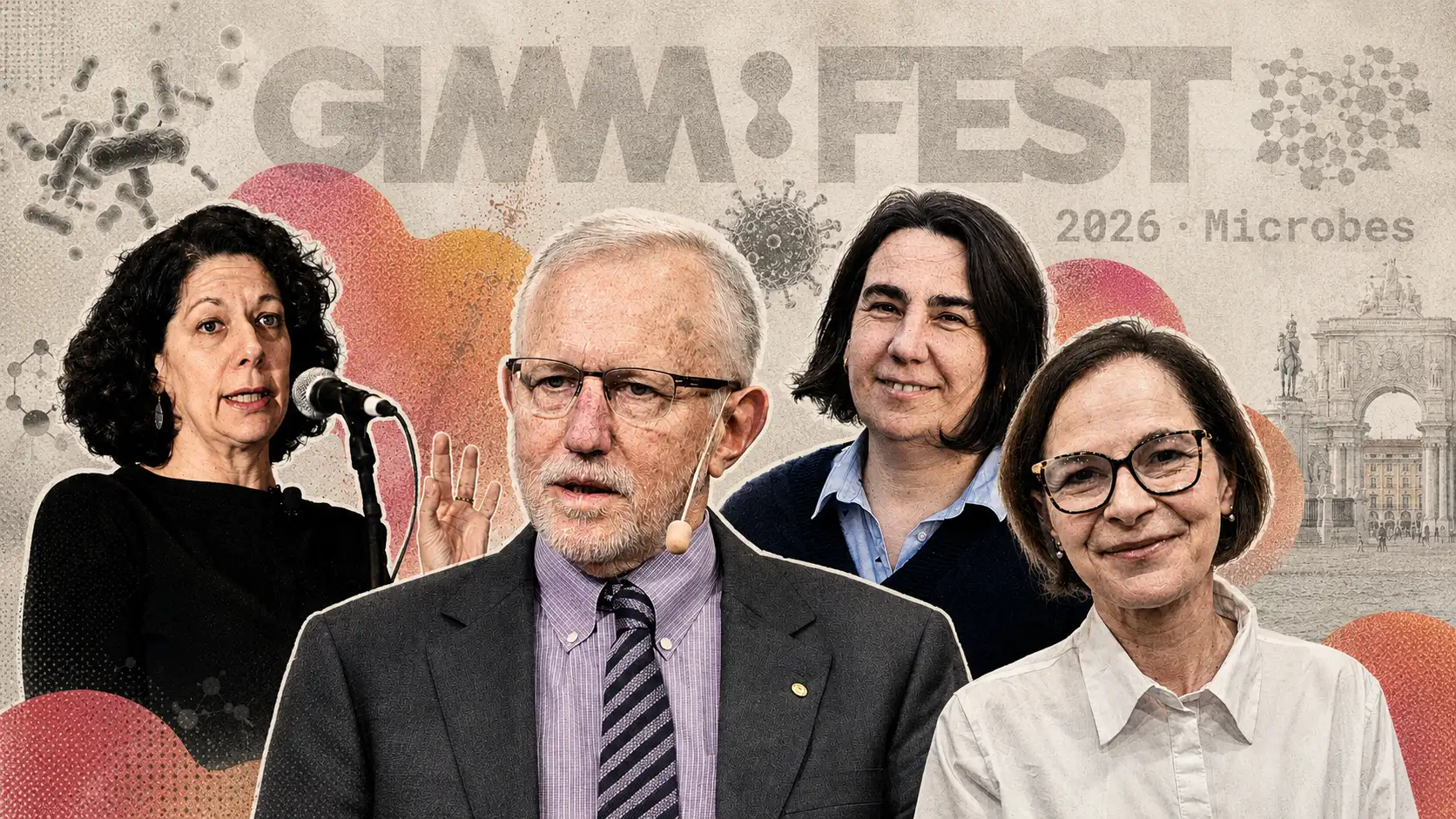
Nobel laureate Charles M. Rice joins experts examining emerging viruses, antibiotic resistance and engineered microbes
Some of the world’s leading microbiologists will meet in Lisbon to examine how microbes could shape the next pandemic, the future of medicine and the fight against antibiotic resistance.
Nobel Prize-winning virologist Charles M. Rice will join researchers including Yasmine Belkaid, Bonnie Bassler and Isabel Gordo for discussions on how microorganisms evolve, spread, communicate and affect human health.
The talks will focus on emerging viruses, antimicrobial resistance, bacterial evolution, host-microbe interactions and the use of biological engineering to turn microbes into tools for medicine, biotechnology and environmental protection.
Rice, of Rockefeller University, won the 2020 Nobel Prize in Medicine for work that helped identify the hepatitis C virus and enabled the development of effective antiviral treatments.
His appearance comes as researchers and governments continue to examine how better understanding of viruses can improve preparedness for future pandemics.
Yasmine Belkaid, president of the Institut Pasteur, will bring expertise in the microbiome and its relationship with the immune system.
Bonnie Bassler, of Princeton University, is known for her work on quorum sensing, the chemical communication system used by bacteria.
Isabel Gordo, of the Gulbenkian Institute for Molecular Medicine, studies how bacteria evolve inside the human body and how antibiotic resistance emerges.
The central question for the programme is how science can better understand microbes before they become larger threats.
Bacteria are constantly evolving, and many are becoming more resistant to medicines used to treat infection.
The World Health Organization has described antimicrobial resistance as one of the greatest threats to global health, with the potential to cause millions of deaths in the coming decades if effective action is not taken.
The programme, held under the theme Microbes – The Questions of the Future, will also explore how microbiome research is changing understanding of human health, and how engineered microorganisms could be used in prevention, diagnosis, treatment and environmental sustainability.
The discussions will take place during the second GIMM Festival, organised by the Gulbenkian Institute for Molecular Medicine from September 17 to 19.
Maria Manuel Mota, chief executive of the Gulbenkian Institute for Molecular Medicine, said: “The microscopic world has a profound impact on our health, ecosystems and the future of biotechnology.
“The GIMM Festival aims to bring researchers and society closer together to discuss how these discoveries can shape the future.”
READ MORE: Nobel laureate Omar Yaghi launches global science network. Research initiative will link institutions across seven countries to work on water scarcity, carbon capture, clean energy and climate resilience.
Do you have news to share or expertise to contribute? The European welcomes insights from business leaders and sector specialists. Get in touch with our editorial team to find out more.
Main image: Nobel laureate Charles M. Rice is joined by microbiologists Bonnie Bassler, Isabel Gordo and Yasmine Belkaid ahead of GIMM Fest 2026 in Lisbon, where experts will examine emerging viruses, antibiotic resistance and the future use of engineered microbes. Credits: GIMM Fest/The Gulbenkian Institute for Molecular Medicine; Staff Asbmb, CC BY 2.0; Riad S. Bereksi, CC BY-SA 4.0; John Sears, CC BY-SA 4.0.
TOP STORIES
-
 Europe’s healthcare sector lags on AI uptake – but leads once it starts using it
 -
Stranded drivers could soon call for help even with no mobile signal
-
NASA backs space ‘air brake’ that could cut years off missions to Uranus and Neptune
-
MPs and peers call for UK ban on AI that could evade human control
-
France orders €1.3bn in extra cuts as growth falls behind European neighbours
-
Bioweapons research, Russian-linked spies, guided rockets and cyber-attacks on Europe used Claude AI, Anthropic reveals
-
Cadbury Takes a Break as KitKat tops Britain’s social media sweet rankings
-
European network alliance doubles in size as digital sovereignty drive accelerates
-
European insurance giants join New York summit on future of AI
-
Oxford leads £10m international study as resistance threatens new TB treatments
-
Inside the world’s wildest new mini golf course with caves, 13ft waterfalls… and sharks
-
Apple’s new boss bets £1,999 on first folding iPhone
-
‘Double delight’ as rare red pandas born at Whipsnade Zoo
-
This Japanese ski resort has just been named the world’s best place for seasonal work
-
Nearly 4m Londoners experienced mental health challenges last year, study finds
-
Card fraud accounts for more than one-in-three UK identity fraud cases
-
Breast cancer campaigners target Burnham at PMQs over £20m research fund
-
Europe leads world in quantum research despite deep industry scepticism
-
Australia plans social media algorithm ‘off switch’ in move Europe could follow
-
European central banks move gold out of U.S as 'geopolitical risks' mount
-
Volkswagen plans another 50,000 job cuts in sweeping overhaul
-
Uber launches UK’s first autonomous ride-hailing service in London
-
Hackers could plunge Britain into darkness in less than two minutes, report warns
-
BP appoints Ian Tyler chairman after Albert Manifold ousting
-
Del Boy’s bent cop nemesis inspired David Jason to become a TV detective