One of Europe’s smallest economies has kept its place among the world’s safest-rated borrowers, helped by a debt-free central government, deep public reserves and a resilient labour market
Liechtenstein has retained its top Triple-A sovereign credit rating after S&P Global Ratings said its low debt, large reserves and budget surpluses should protect it from global economic uncertainty.
The agency affirmed the principality’s AAA rating with a stable outlook, despite forecasting stagnation this year after a 3 per cent contraction in 2025, when trade tensions and uncertainty hit investment and exports.
Growth is expected to return in 2027, when real GDP is forecast to rise by 0.5 per cent and average 0.8 per cent over 2027-2029.
Prime Minister Brigitte Haas, who is also the Minister of Finance, welcomed the decision and said it confirmed Liechtenstein’s strength as a business location.
She said: “Especially in the current challenging economic and geopolitical environment, this top rating for Liechtenstein should not be taken for granted. The rating confirms Liechtenstein’s strong appeal as a safe and stable business location.”
Credit ratings are used by investors to judge how likely a government is to repay its debts in full and on time, with Triple-A reserved for borrowers judged to have an exceptionally strong capacity to meet their financial commitments.
Liechtenstein’s central government has no outstanding debt, while wider general government debt is below 1 per cent of GDP.

S&P said the buffers gave the principality room to absorb weaker growth, market volatility and higher defence and security spending.
The main pressure is coming from global trade, with Liechtenstein’s small, open economy relying heavily on export companies selling into international markets. Austria and Germany accounted for about 45 per cent of goods exports in 2024, while the US accounted for about 14 per cent.
A November 2025 agreement between Liechtenstein, Switzerland and the U.S cut bilateral tariffs on goods exports to the States to 15 per cent, although S&P said additional sectoral tariffs meant some companies were likely to face a higher effective rate.
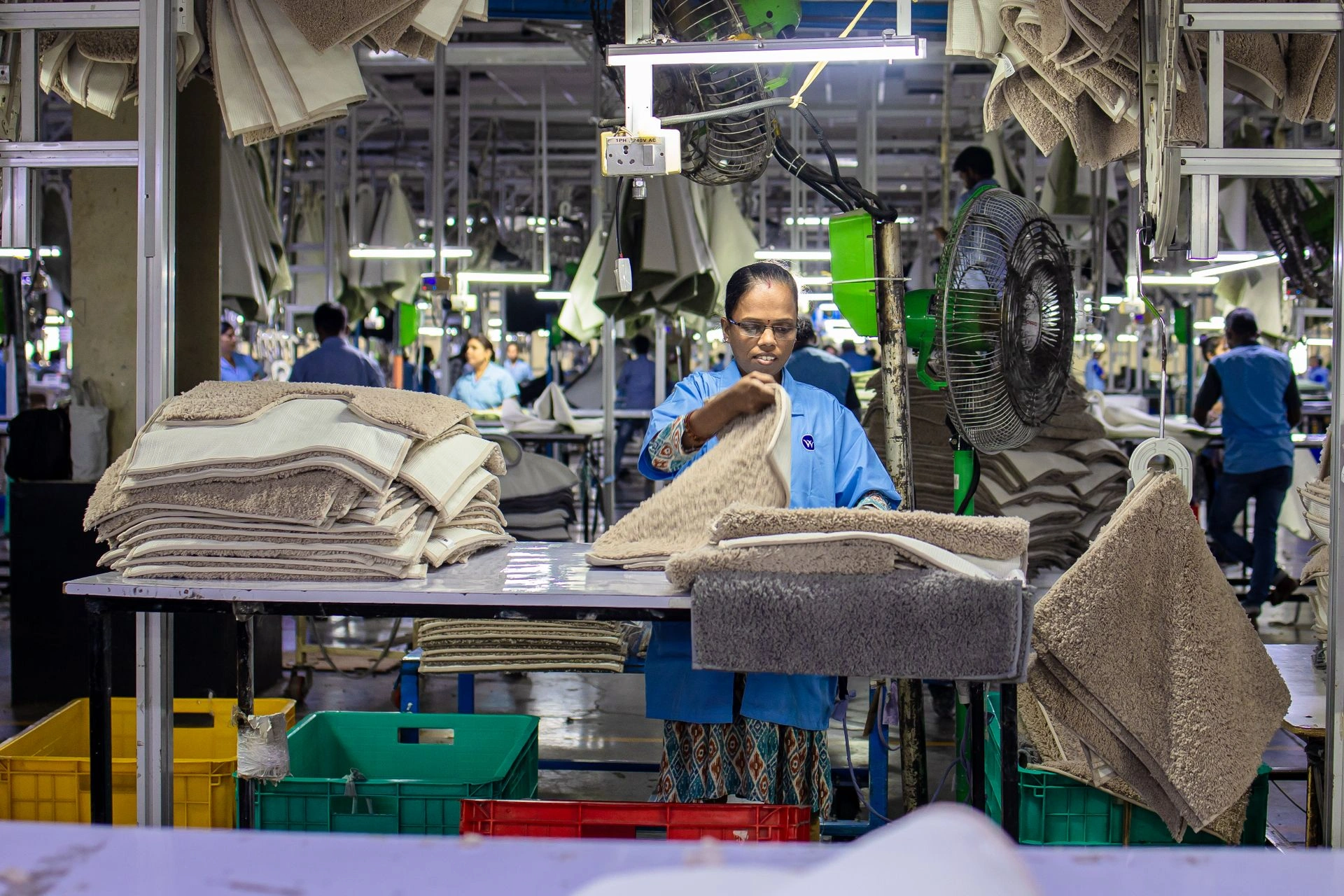
Manufacturing, meanwhile, accounts for about 40 per cent of GDP, with many small and mid-sized Liechtenstein companies leading globally in niche markets and benefiting from research and development spending that remains well ahead of most OECD countries.
The labour market has held up better than output, with unemployment rising only marginally to an average of 2 per cent in 2025 and expected to remain low by international standards. Cross-border workers from Switzerland and Austria remain central to the workforce, with the number of employees in Liechtenstein exceeding the country’s official population since 2017.
Financial and insurance services account for about 20 per cent of GDP, with banks playing a major role in private banking and wealth management and employing about 11 per cent of the workforce.
S&P said the banking sector remains well capitalised, although bank assets equal about 14 times GDP and the size of the sector leaves the government exposed to moderate contingent-liability risk.
The agency also noted reputational risks in the financial centre, despite improvements to transparency and anti-money-laundering policies over the past decade. Liechtenstein’s use of the Swiss franc has helped keep inflation low, with consumer prices up 0.3 per cent year on year in March 2026 and inflation forecast to average about 0.7 per cent between 2026 and 2029.
The arrangement brings monetary stability but limits the country’s flexibility, as Liechtenstein has no vote on Swiss National Bank policy.
The principality joined the International Monetary Fund in October 2024 and is working with the IMF and Swiss National Bank to improve the quality and timeliness of its economic and external accounts.
Trade diversification is also moving up the agenda, with EFTA states concluding negotiations on a free trade agreement with Mercosur countries in July 2025 and an EFTA agreement with India entering into force in October 2025.
S&P said Liechtenstein’s strong budgetary position, extensive financial buffers, high policy effectiveness and prudent regulatory framework should protect its creditworthiness from global economic and financial uncertainty.
READ MORE: Bridging tradition and transformation: Brigitte Haas on leading Liechtenstein into a new era. Brigitte Haas enters office at a time of significant change for Liechtenstein, with questions of security, European relations, social cohesion, and technological readiness rising on the national agenda. Here, she outlines how her government is approaching these challenges, what long-term priorities are shaping policy, and how a small state can position itself effectively within the wider European framework.
Do you have news to share or expertise to contribute? The European welcomes insights from business leaders and sector specialists. Get in touch with our editorial team to find out more.
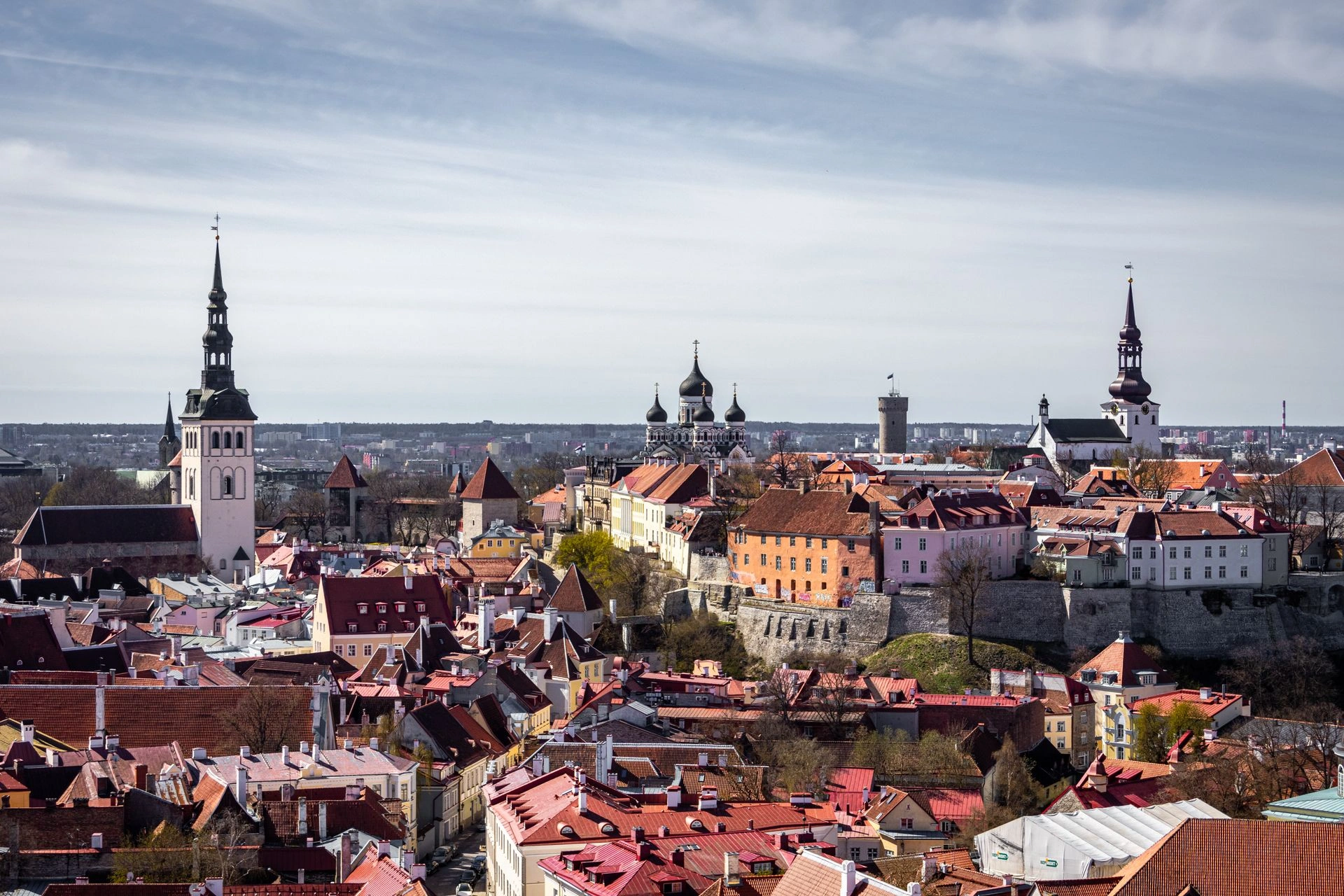
Main image: Liechtenstein’s low debt, deep reserves and stable public finances helped the principality retain its top AAA sovereign rating from S&P Global Ratings. Credit: Rodrigo Curi / Pexels