Anniversary marks first civilian voyage to Antarctica 60 years ago

John E. Kaye
- Published
- News
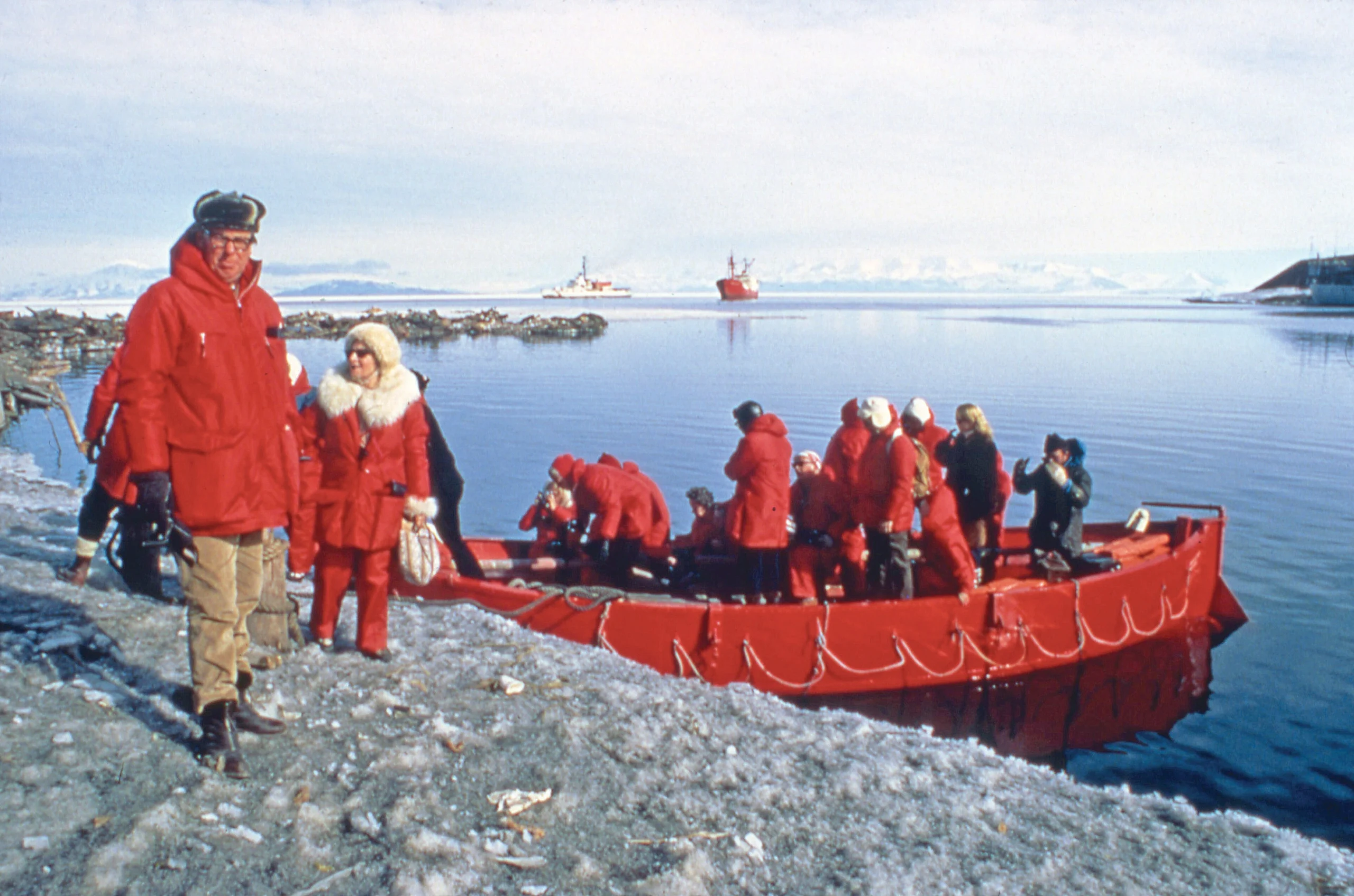
Sixty years ago today, 57 paying passengers sailed to Antarctica for the first time in history, a milestone that opened the continent to civilian travellers and helped establish modern expedition cruising
Today marks the 60th anniversary of the first civilian trip to Antarctica, a journey widely regarded as the starting point of modern expedition cruising.
On January 23, 1966, Lars-Eric Lindblad led 57 non-scientific passengers to the continent, opening one of the world’s most remote regions to visitors outside research and exploration.
The voyage laid the foundations for a style of small-group travel focused on wildlife, education and close engagement with the natural environment rather than traditional cruise leisure.
Within a year, Lindblad organised the first civilian expedition to the Galápagos Islands, applying the same approach in a very different setting and establishing a model that would later be used in destinations around the world.
Originally a tour operator specialising in remote destinations, Lindblad believed ordinary travellers could visit fragile and inaccessible parts of the world if travel was done responsibly and with education at its core.
In 1966 he led the first group of paying, non-scientific passengers to Antarctica. A year later he organised the first civilian expedition to the Galápagos Islands.
Lindblad, who died in 1994, later founded Lindblad Expeditions, which partnered with National Geographic in 2004.
Today, the company sails to more than 100 destinations worldwide, including Antarctica and the Galápagos as well as itineraries across Europe, Asia and Africa, led by specialist guides and naturalists.
Speaking this week its CEO, Natalya Leahy, said: “Lars-Eric Lindblad pioneered expedition travel with a simple belief: how you see the world matters.
“Sixty years after the voyage that started it all, that vision continues to guide us. Every sailing is shaped by decades of experience, deep relationships with local communities, and the expertise of some of the world’s most seasoned captains, navigators, and naturalists. What defines our expeditions isn’t just where we go, but how we approach each place—creating life-expanding moments that spark curiosity and stay with our guests long after they return home.”
READ MORE: ‘At the edge of Europe. A cruise gateway on the Russian frontier’. For most travellers, Kirkenes is simply the final port on Norway’s coastal voyage. Stay a little longer, though, and you’ll find king crab feasts, Cold War relics, reindeer roadblocks, and the most fascinating frontier town in Europe, finds travel writer Emma Strandberg.
Do you have news to share or expertise to contribute? The European welcomes insights from business leaders and sector specialists. Get in touch with our editorial team to find out more.
Main image: On January 23, 1966, Lars-Eric Lindblad made history when he led 57 passengers to Antarctica, marking the birth of modern expedition cruising for non-scientific travellers. Credit: Lindblad Expeditions
TOP STORIES
-
 Housing costs hit recruitment at 77% of large London firms, survey finds
 -
SpaceX to launch one-tonne orbital factory for European space firm in 2028
-
Estonia’s e-residents launch more than 4,200 companies as business creation jumps 36%
-
Small business bank lending falls £27bn in three years as nine-in-10 areas see decline
-
Europe’s healthcare sector lags on AI uptake – but leads once it starts using it
-
Stranded drivers could soon call for help even with no mobile signal
-
NASA backs space ‘air brake’ that could cut years off missions to Uranus and Neptune
-
MPs and peers call for UK ban on AI that could evade human control
-
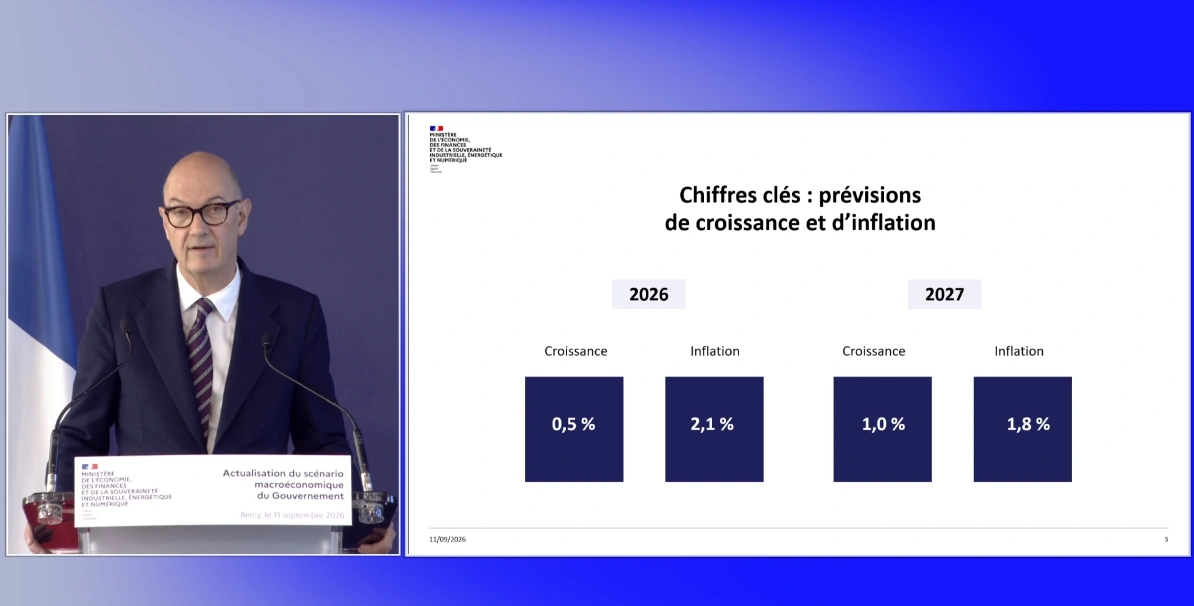
France orders €1.3bn in extra cuts as growth falls behind European neighbours
-
Bioweapons research, Russian-linked spies, guided rockets and cyber-attacks on Europe used Claude AI, Anthropic reveals
-
Cadbury Takes a Break as KitKat tops Britain’s social media sweet rankings
-
European network alliance doubles in size as digital sovereignty drive accelerates
-
European insurance giants join New York summit on future of AI
-
Oxford leads £10m international study as resistance threatens new TB treatments
-
Inside the world’s wildest new mini golf course with caves, 13ft waterfalls… and sharks
-
Apple’s new boss bets £1,999 on first folding iPhone
-
‘Double delight’ as rare red pandas born at Whipsnade Zoo
-
This Japanese ski resort has just been named the world’s best place for seasonal work
-
Nearly 4m Londoners experienced mental health challenges last year, study finds
-
Card fraud accounts for more than one-in-three UK identity fraud cases
-
Breast cancer campaigners target Burnham at PMQs over £20m research fund
-
Europe leads world in quantum research despite deep industry scepticism
-
Australia plans social media algorithm ‘off switch’ in move Europe could follow
-
European central banks move gold out of U.S as 'geopolitical risks' mount
-
Volkswagen plans another 50,000 job cuts in sweeping overhaul