Prague named Europe’s top student city in new comparative study

John E. Kaye
- Published
- News
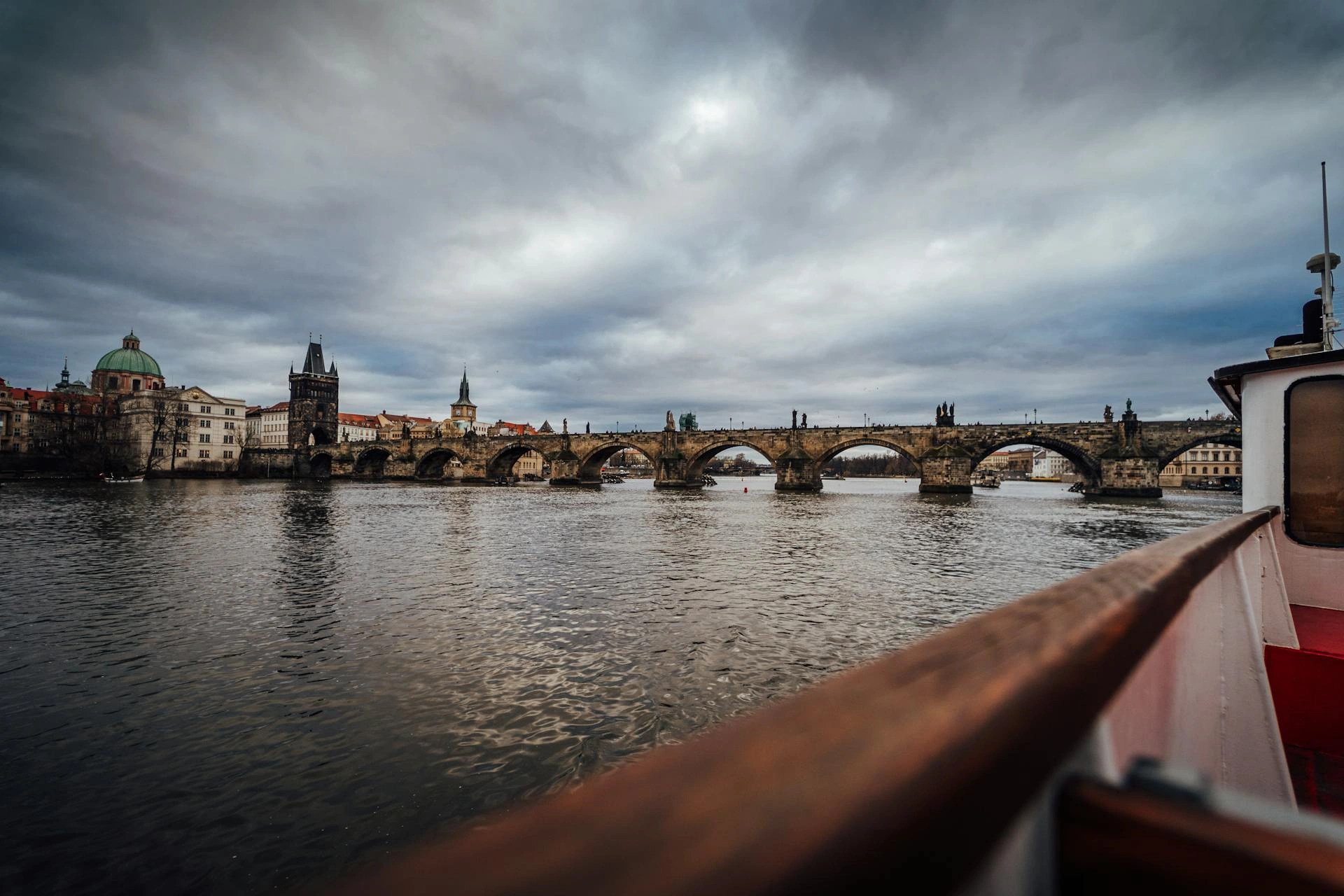
A ranking by relocation firm BOXIE24 places Prague first in a ten-city assessment based on affordability, safety, accommodation availability, public transport and academic density, ahead of Leuven and Lisbon
Prague has been ranked Europe’s best student city in a new study comparing affordability, safety, accommodation supply and academic environment across major European student hubs.
The analysis by relocation specialist BOXIE24 assessed cities using a weighted system based on 10 indicators including cost of living, average student rent, crime rate, university density, public transport, nightlife, QS rankings and student population figures. The company said it evaluated cities on factors that shape student experience and quality of life.
Prague achieved an overall score of 99.35 out of 100, ranking first for affordable student accommodation at an average of €500 per month and for public transport costs at €22.76 for a monthly pass. The Czech capital also recorded the second-lowest crime rate in the survey at 16.8.
Leuven placed second with a score of 94.76. BOXIE24 identified the Belgian city as the most student-dense in the dataset, with 376 students per 1,000 inhabitants. Lisbon ranked third at 89.06, supported by relatively low estimated living costs for a single person at €724.8 per month and a high concentration of student accommodation units, recorded at 2,122 rooms, studios and apartments per 100 sq km.
Barcelona, Warsaw, Valencia, Vienna, Paris, Madrid and Munich completed the top ten. Cost indicators varied significantly, with Vienna, Paris and Munich registering the highest overall living and accommodation costs among the cities assessed, while Warsaw tied with Prague for lowest average student rent at €500 per month.
Gerrit Jan Reinders, chief executive of BOXIE24, said: “With the cost of education and living rising across Europe, students are becoming much more strategic about where they choose to study. In addition to considering top-ranked universities, students are looking for cities where they can live safely, keep rent affordable, and still enjoy a vibrant social life.
“This study combines academic quality, affordability, safety, and lifestyle factors to provide students with a clearer picture of which cities truly offer the best overall experience, helping them make informed choices about where to live, study, and thrive.”
The ranking weighted QS university metrics at 25 per cent, followed by crime (13 per cent), universities per 100 sq km (12 per cent), estimated monthly cost for a single person (10 per cent), accommodation availability (10 per cent), average rent (7 per cent), students per 1,000 inhabitants (7 per cent), food costs (6 per cent), public transport (5 per cent), and nightlife venues per 100 sq km (5 per cent).
Data sources cited included Numbeo, HousingAnywhere, UCAS, UniHomes and UniPages. BOXIE24 said only cities with complete data across all indicators were included in the final ranking.
READ MORE: ‘Prague positions itself as Central Europe’s rising MICE powerhouse‘. The global Meetings, Incentives, Conferences and Exhibitions industry is forecast to reach USD 1.3 trillion by 2030 as corporate travel rebounds and hybrid formats reshape events. Europe remains the sector’s epicentre, and Prague is emerging as Central Europe’s strongest contender by combining modern venues, international connectivity and a cost profile that is winning over planners under pressure, discovers Ollie Crow.
Do you have news to share or expertise to contribute? The European welcomes insights from business leaders and sector specialists. Get in touch with our editorial team to find out more.
Main image: Thomas Ronveaux/Pexels
TOP STORIES
-
 Jaguar puts controversial rebrand on the road with £130K 1,030PS Type 01
 -
Deepfakes and identity fraud drive new wave of post-hire background checks
-
Spain crowned Europe’s top retirement destination
-
More than half of UK professionals report workplace burnout
-
More than 1.2m English drivers may have eyesight too poor for the road, study finds
-
David Reuben, Britain’s second richest person, leaves London for Monaco
-
UK prisoner release plan faces a major lag as tougher rules risk sending inmates back to jail
-
Brits trust AI with their health but not their money
-
Britain still hungry for Italian food as exports hit €4.56bn despite Brexit
-
Women who earn more than their partners still pay the price at work, landmark study finds
-
Vape expectations go up in smoke as new UK tax sparks fury
-
Robot sales rocket 24% as 250,000 machines snap up jobs in warehouses, hotels and hospitals
-
New-build homeowners should not be left with ‘mud and a fence’, campaigners warn
-
Bank of England governor warns AI poses growing ‘increasingly significant’ threat to financial stability
-
UK economy grows faster than first thought as household incomes bounce back
-
UK unveils ‘Great British Grid’ in bid to cut energy bills
-
British Chambers unite against 'Made in Europe' rules amid fears for UK industry
-
Bouncy castle firms urged to sign new safety pledge following child deaths
-
Remembering Matthew Jukes, The European’s Wine & Fine Drinks Correspondent
-
Michael Dell becomes world's fourth-richest person as Forbes reveals the ten wealthiest billionaires
-
Scientists develop new chemicals to tackle devastating oil spills at sea
-
Closing women's health gap could boost global economy by $1tn a year, leaders say
-
World's first luxury theme park to open in Mexico with £1.1bn of rides, fine entertainment and deliberately limited crowds
-
Dutch court orders Lidl to stop selling Birkenstock sandal lookalikes
-
Giant wind turbine with 252-metre rotor could mean fewer machines and cheaper offshore power