
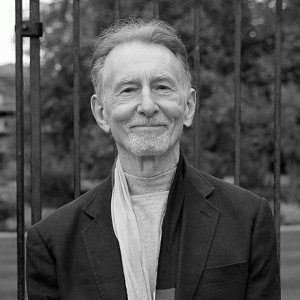

The coach driver building a dating platform in his sixties
Dr Stephen M. Whitehead meets Kevin Peddie, 61, who is building LoveHuddle, a dating platform centred on conversation rather than...
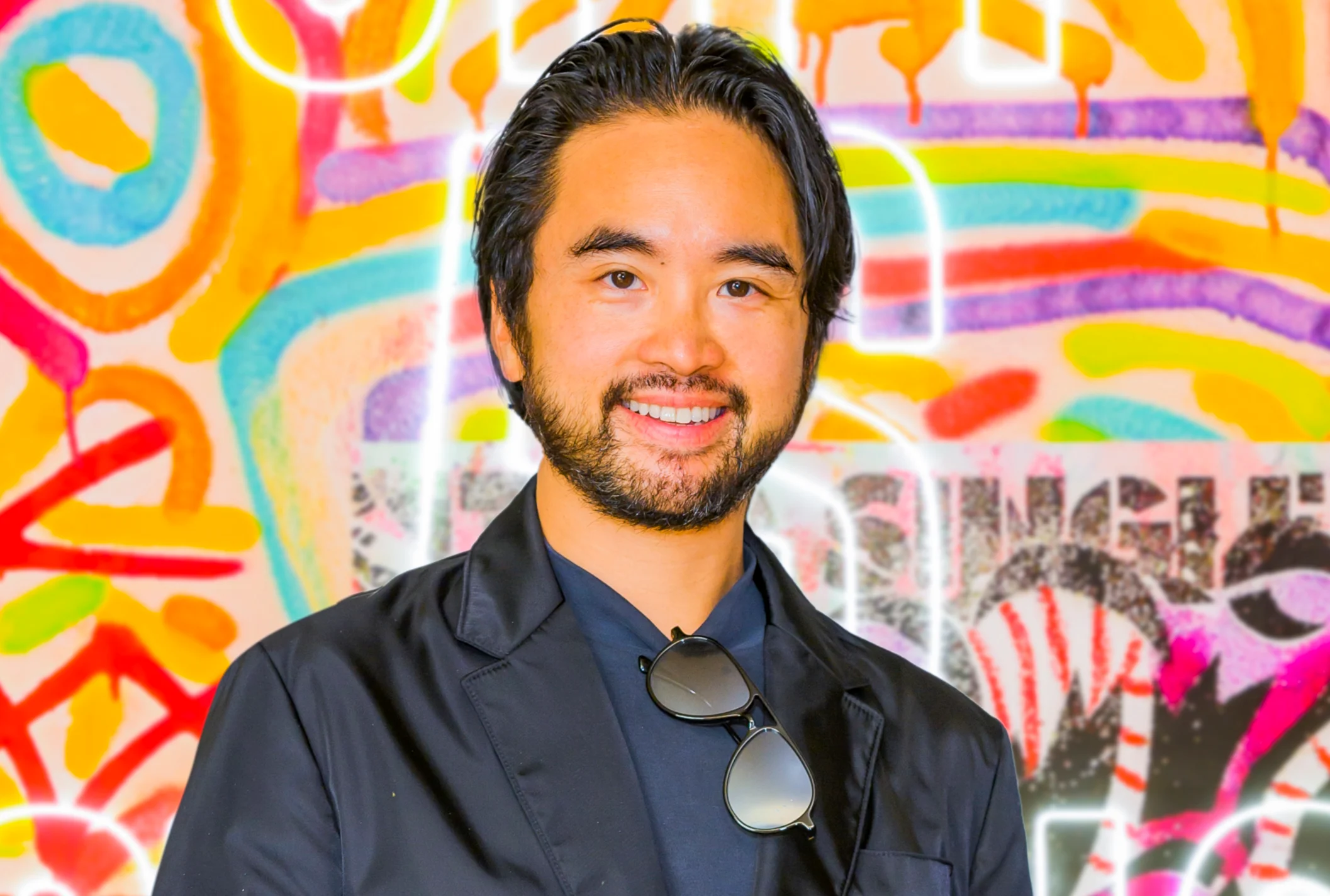
Losing the top job can help business heirs find their own identity
Dr Stephen Whitehead explores how Adrian Cheng is building his own business identity after leaving the family empire’s top job.

Serbia erupts in celebration as student protesters end Vučić’s 14-year grip on power
Serbia’s student-led movement claims a parliamentary victory after nearly two years of protests sparked by a deadly railway station collapse.

AI could leave us with more free time but less reason to live
Dr Stephen Whitehead warns that AI could remove meaningful work, leaving people with more free time but less purpose.

AI threatens the careers our schools still teach children to expect
Dr Stephen Whitehead argues that schools must prepare children for AI-driven career uncertainty by developing resilience and self-worth beyond work.

A Thai queen’s solo jet flight shatters the male macho pilot stereotype
Dr Stephen Whitehead explores how Queen Suthida’s solo Gripen flight challenges gender stereotypes and redefines women’s roles in military aviation.

Strong leaders know when to make a U-turn
Dr Stephen Whitehead explores why credible leaders must change course when evidence shows a decision is failing, rather than persist.

The five types of masculinity and what they reveal about modern men
Dr Stephen Whitehead explores five types of masculinity and how changing work, relationships and ageing reshape men’s identities.

Who pays the price when men withdraw from society?
Dr Stephen Whitehead examines how prolonged male withdrawal affects families, relationships, workplaces and wider society, and what governments can do.

Why men are increasingly withdrawing from society
Dr Stephen Whitehead examines why some men withdraw from society as work, relationships, status and traditional forms of masculinity change.

What the rise of synthetic companionship reveals about men and women
Dr Stephen Whitehead explores how synthetic companionship reflects changing expectations, autonomy and emotional intimacy between men and women.
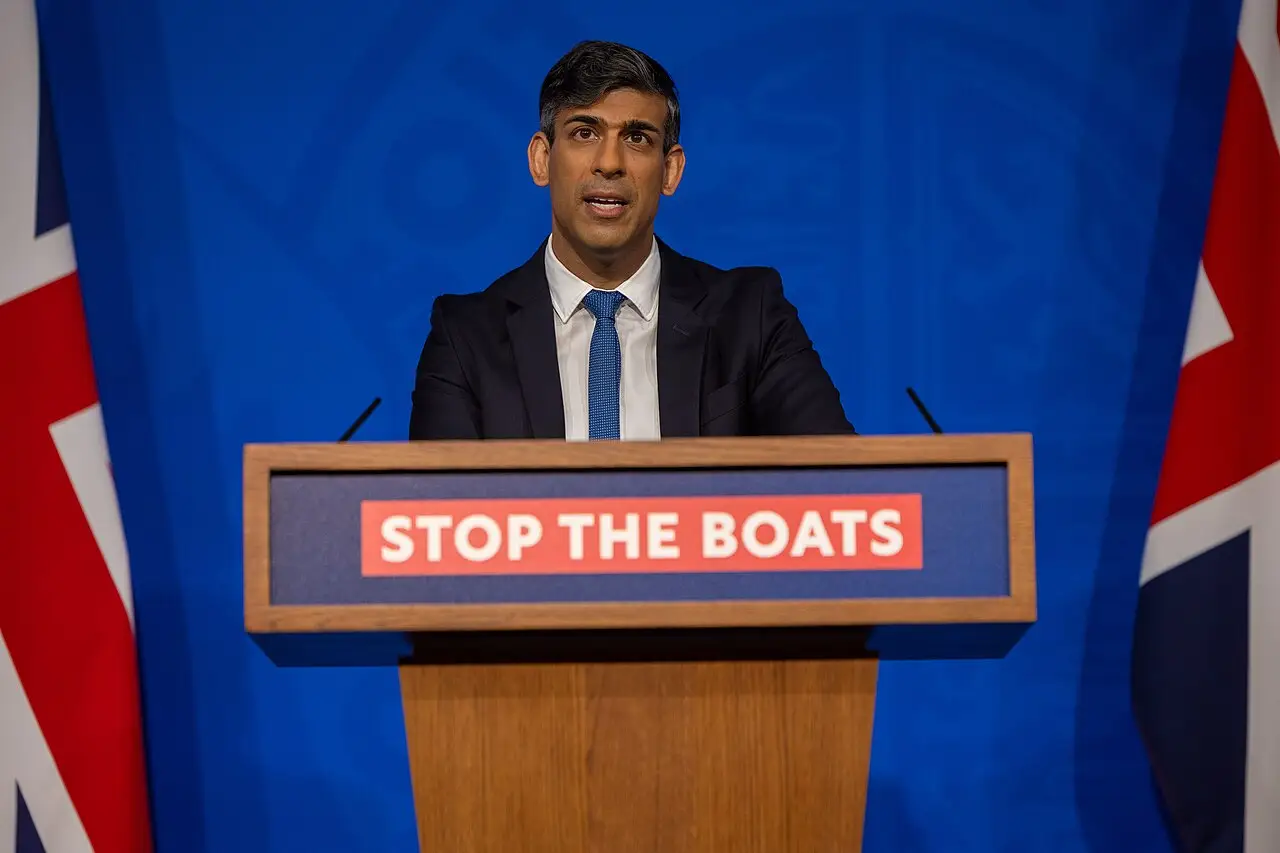
Why the Dover blockade was about far more than migrants
Dr Stephen Whitehead examines how male insecurity, lost status and collective power shaped the protests at the Port of Dover.

Ajahn Jayasaro on growing older without growing lonely
Dr Stephen Whitehead explores masculinity and ageing through a revealing conversation with British Buddhist monk Ajahn Jayasaro in Bangkok.
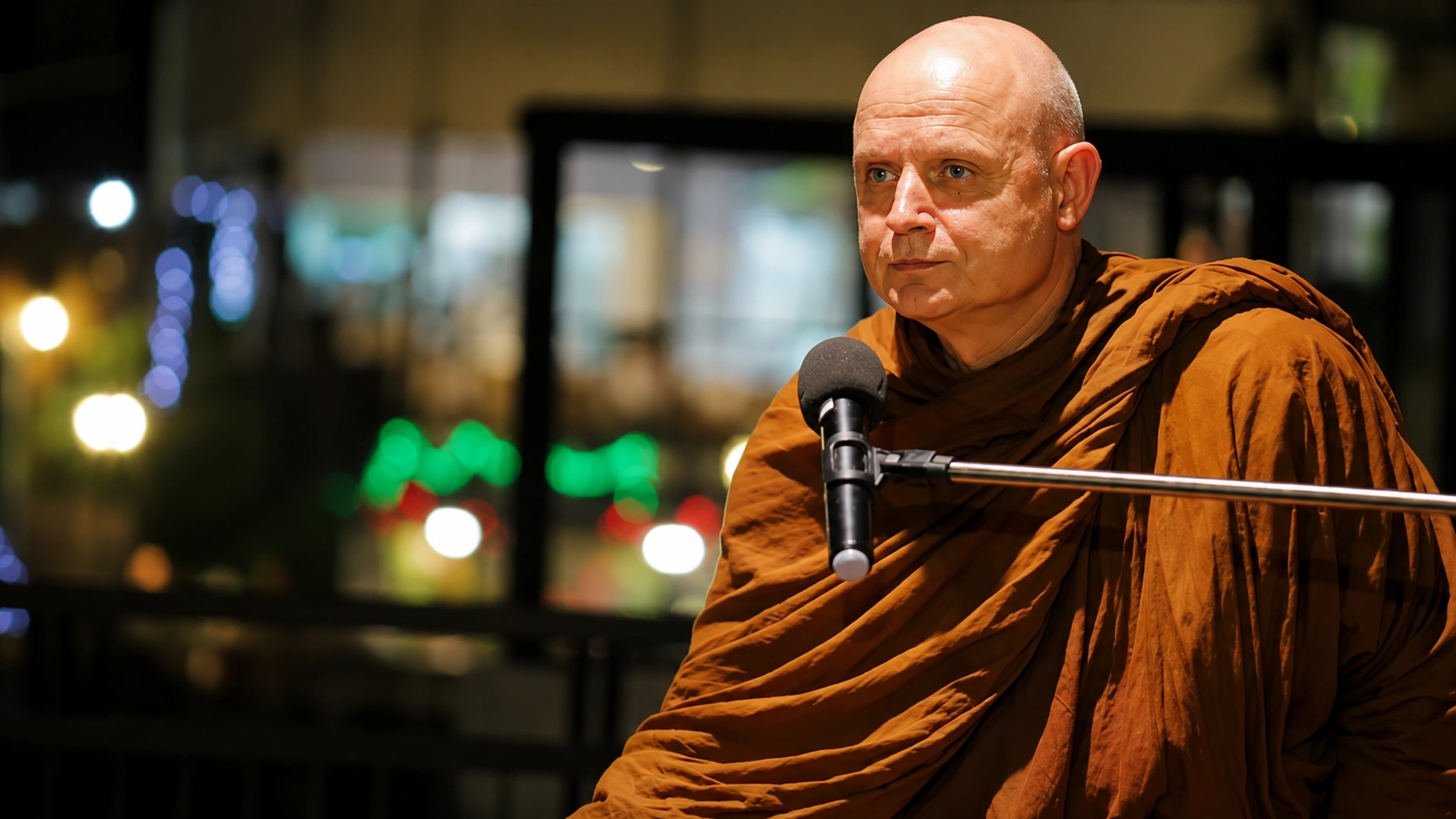
What capitalism can learn from a British monk promoted at 68
Dr Stephen Whitehead examines how religious traditions value ageing and wisdom, while capitalism often sidelines older workers and their experience.
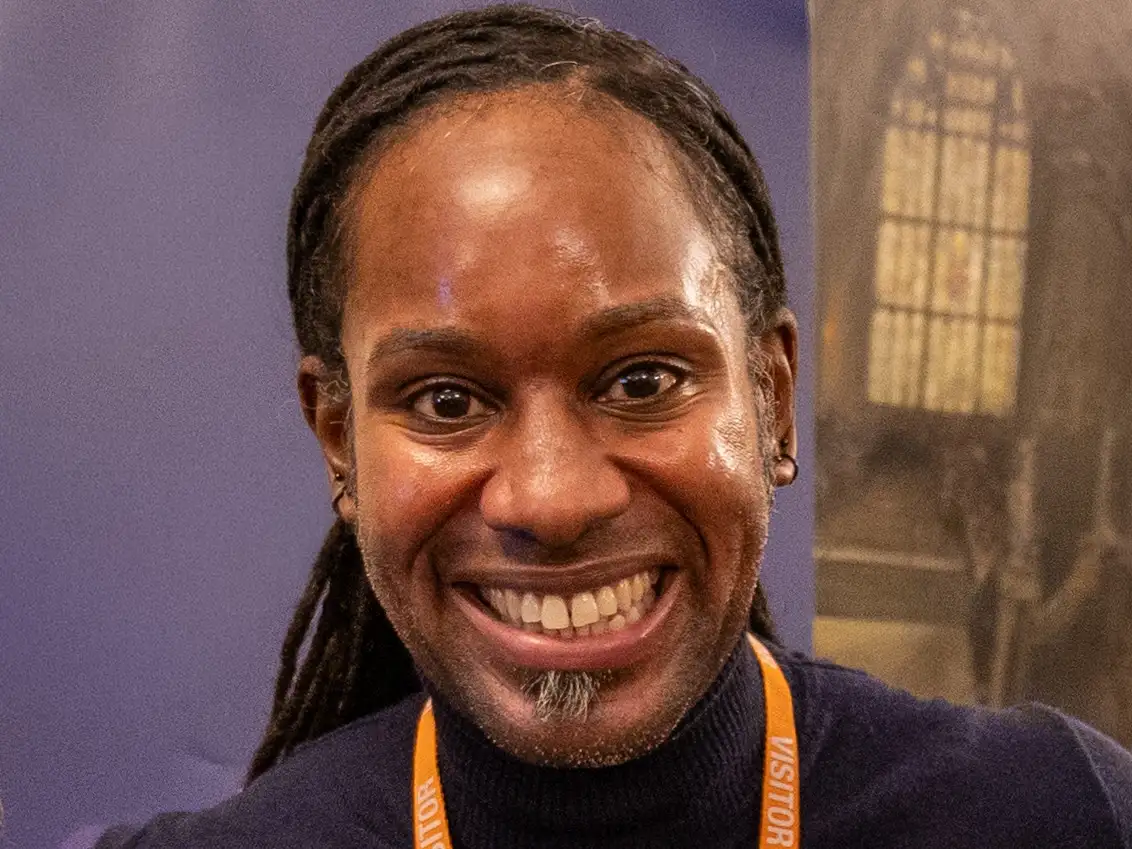
How Britain turned Jason Arday into a symbol – and lost sight of the man
Dr Stephen Whitehead examines how Jason Arday became a symbol of achievement, failure and victimhood through Britain’s machinery of representation.

Toxic masculinity, like climate change, can only be denied until the flames burn down your house
Dr Stephen Whitehead examines how toxic masculinity can fuel male violence, grievance and aggression, drawing parallels with climate change.



