
Liechtenstein’s century-old framework for modern wealth

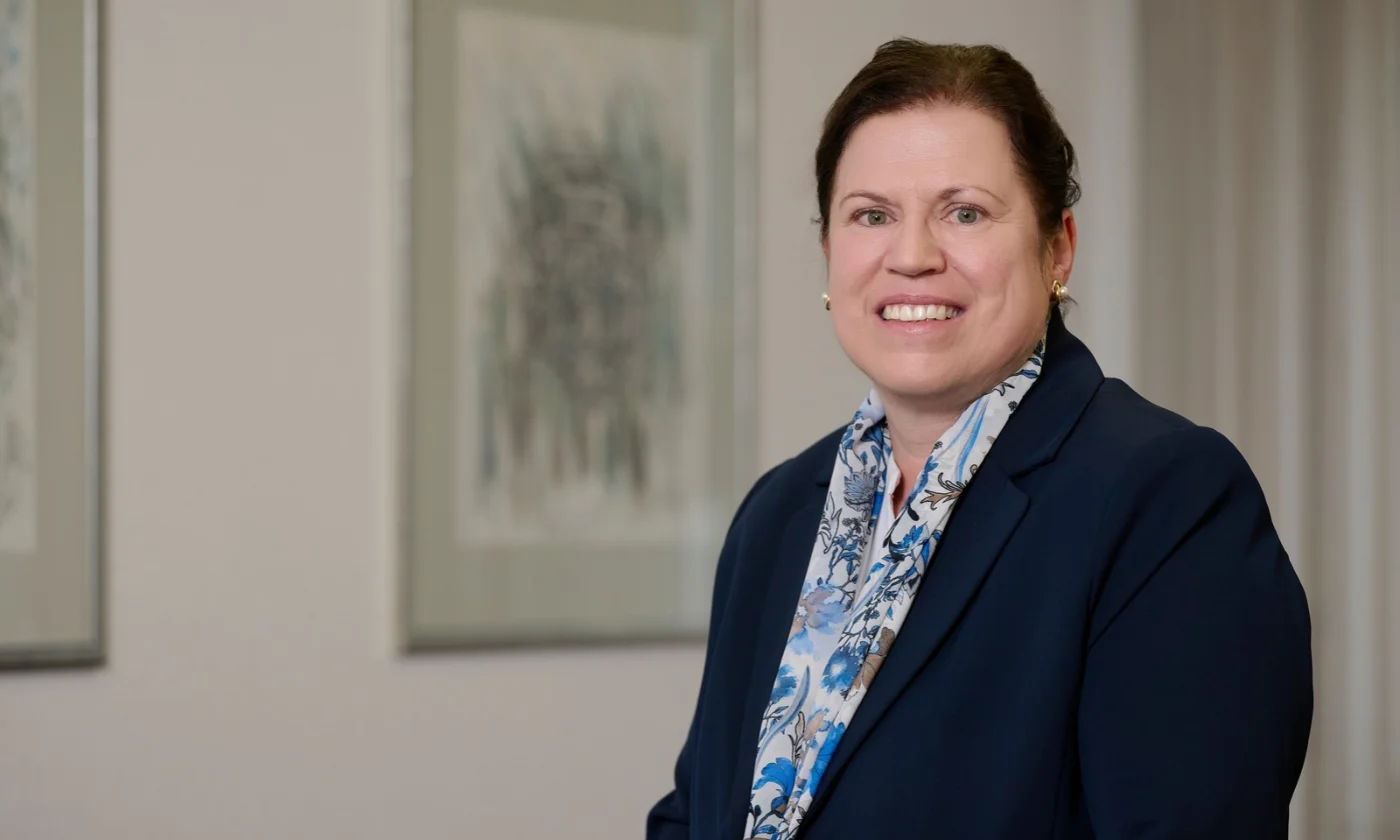
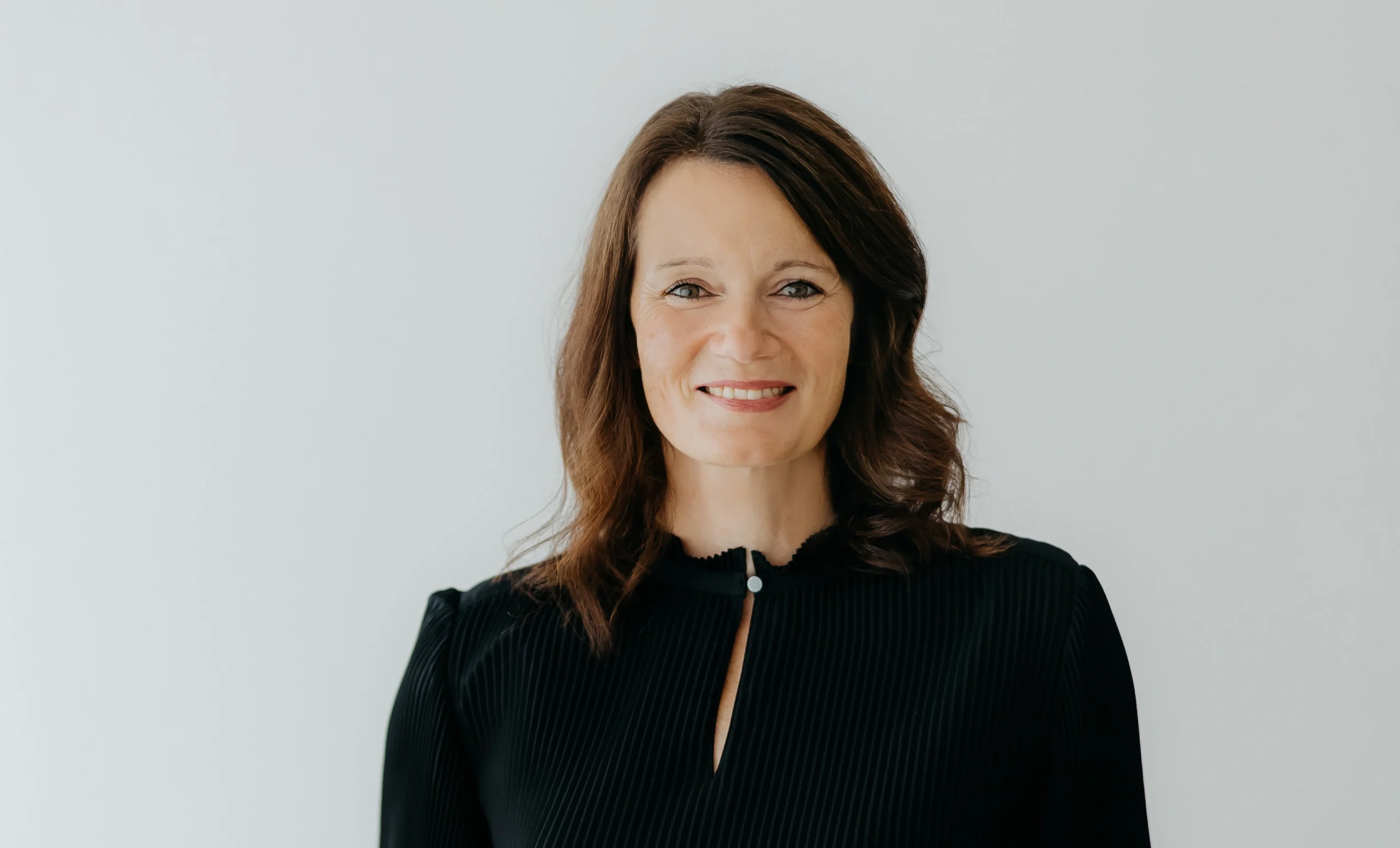
Dr. Johanna Niegel
- Published
- Banking & Finance
A century ago, Liechtenstein introduced a legal framework that transformed the way trusts, foundations and private wealth structures could be used. As the PGR turns 100, foundation expert Dr. Johanna Niegel examines why that flexibility still matters today
In 2026, the Principality of Liechtenstein celebrates the centenary of the 1926 Law on Persons and Companies, one of the most significant pieces of legislation in the country’s modern legal history.
The Act, known as the PGR, created the legal framework for a wide range of corporate and private wealth structures in Liechtenstein. Its architects, Wilhelm and Emil Beck, were the first to codify purely private-benefit foundations, extending a legal concept that in many other jurisdictions was restricted to exclusively charitable purposes.
So enduring was the framework that, apart from a handful of amendments – including reforms to the provisions on foundations in 2009 – the PGR remains in force today.
What few people know, however, is that Liechtenstein is also a country with many trusts. With remarkable foresight, the architects of the PGR created a liberal legal code built largely around private autonomy, with rules that can generally be adapted to individual needs provided no mandatory provisions are breached. They also made available to foreign investors a remarkably broad range of legal forms known at the time.
Liechtenstein’s approach was particularly innovative because, despite being a civil law jurisdiction, it also embraced legal concepts originating in the common law. The common-law trust settlement and the Massachusetts Business Trust – adopted in Liechtenstein in the form of the trust enterprise (trust reg.) – are striking examples of that thinking. In adapting the trust concept to its own legal system, Liechtenstein retained certain domestic specialities while creating a structure comparable, for example, to the Jersey trust.
Trusts and foundations have been used by families for centuries for estate, succession and tax planning, as well as asset protection. Families with their own businesses often use them as holding structures, particularly as part of wider family governance. They can also provide an exit strategy where there is no successor – or no suitable successor – willing or able to take over the family business.
Even after a trust or foundation has been established, its close ties to the founding family may give rise to interests in the transferred assets that are similar to those of an owner. The family can also retain a say in the management of the trust or foundation, for example through an advisory board composed of family members.
To meet the diverse needs of families, the first step is to choose the right legal jurisdiction. This will depend on factors including where individual family members live and the flexibility of the legal system itself, particularly whether it offers a range of legal structures and recognises private and charitable purposes, or a combination of both.
Liechtenstein has offered families and investors this flexibility for a full century through both common-law trusts and civil-law foundations. These can also be combined within a single family structure, giving international families greater flexibility to accommodate members living in different parts of the world.
Liechtenstein’s legal framework is underpinned by a substantial body of case law, providing a strong foundation for this flexibility to continue well into the future.
Further Information
Produced with support from Liechtenstein Finance. To find out more about its financial centre and expertise in trusts, foundations and wealth structuring, visit www.finance.li
READ MORE: Liechtenstein keeps Triple-A rating as S&P points to low debt and deep reserves. One of Europe’s smallest economies has kept its place among the world’s safest-rated borrowers, helped by a debt-free central government, deep public reserves and a resilient labour market.
Do you have news to share or expertise to contribute? The European welcomes insights from business leaders and sector specialists. Get in touch with our editorial team to find out more.
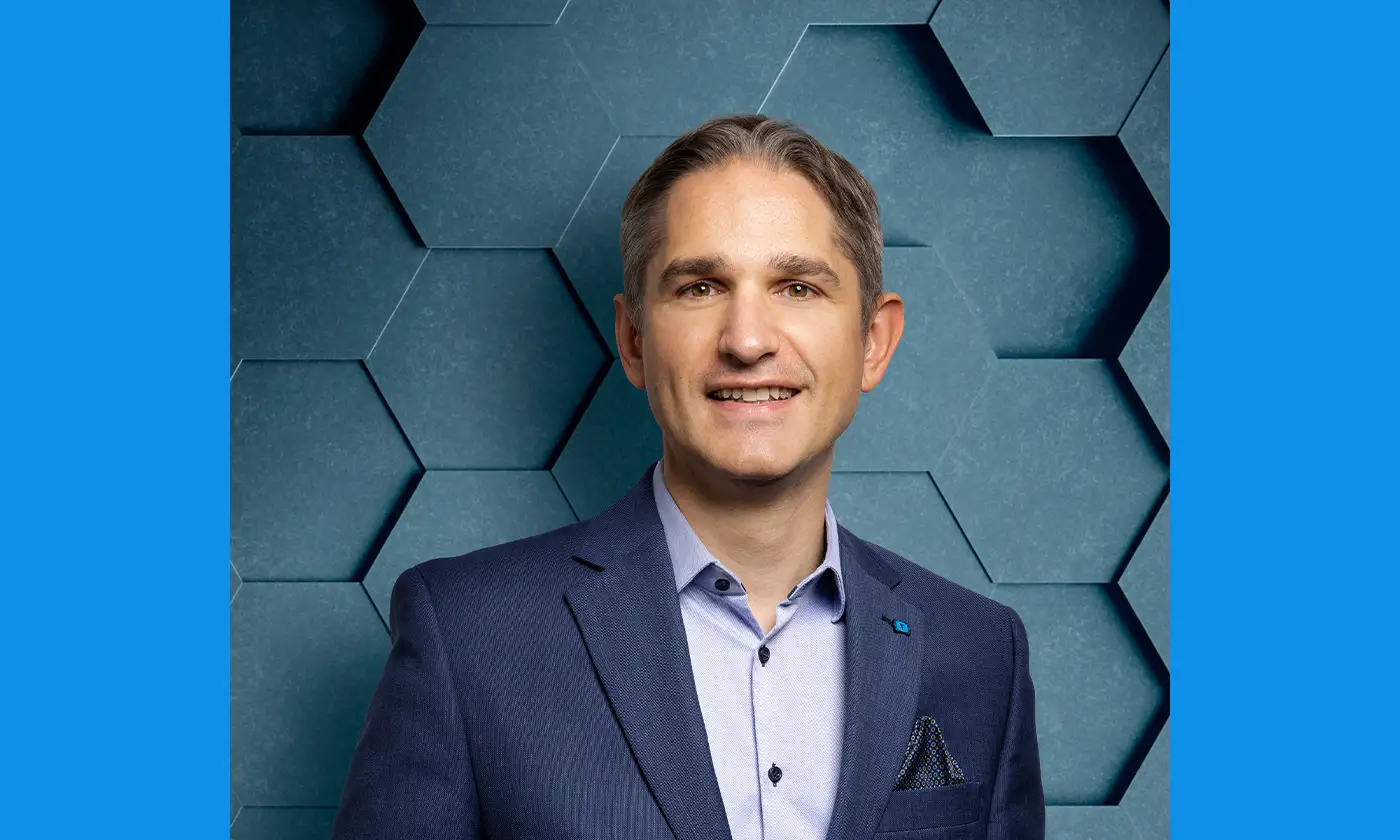
Main image: Dr. Johanna Niegel. Credit: Supplied.
TOP STORIES
-
 Liechtenstein’s century-old framework for modern wealth
-
British AI chip startup hits £5bn valuation as government backs bid to challenge global tech giants
-
Binance customers pull $3.6bn from crypto giant after record-breaking heist
-
TalkTalk sells majority stake in Telecom Acquisitions as founder Nigel Barnett regains control
-
Company closures soar ahead of tax rises as new Budget looms
-
Credit beyond scoring: where to find fintech’s next big opportunity
-
UK economy grows faster than first thought as household incomes bounce back
-
British Chambers unite against 'Made in Europe' rules amid fears for UK industry
-
Kuwait deepens capital market reforms as Boursa Kuwait scoops triple honours
-
Michael Dell becomes world's fourth-richest person as Forbes reveals the ten wealthiest billionaires
-
MPs tell Government to reject Thames Water creditors as utility nears insolvency
-
The municipal pension fund setting a new standard in South Africa
-
BP appoints Ian Tyler chairman after Albert Manifold ousting
-
They came to Malta as nomads. Then stayed on as founders
-
Fuel management software is becoming a working-capital tool for smaller fleet businesses
-
Tokenisation, trust and the future of European property law
-
LEGO sales soar 22% amid World Cup, F1 and Star Wars push
-
Why entrepreneurs choose the wrong countries
-
Finance and Investment in Focus
-
Aventus Group wins three European Business Awards after loan growth tops 30 per cent
-
European investors can now trade thousands of US stocks through Kraken
-
Ex-Lenovo executive Sabine Hammer to lead Infinigate’s DACH business
-
NVIDIA teams up with Wall Street giants in $500bn push to fund AI boom
-
BAC and the future of regional corporate banking in Central America
-
How AI trading bots are reshaping retail currency trading in Europe















Liechtenstein’s century-old framework for modern wealth
Dr. Johanna Niegel
- Published
- Banking & Finance
TOP STORIES
-
Liechtenstein’s century-old framework for modern wealth
-
British AI chip startup hits £5bn valuation as government backs bid to challenge global tech giants
-
Binance customers pull $3.6bn from crypto giant after record-breaking heist
-
TalkTalk sells majority stake in Telecom Acquisitions as founder Nigel Barnett regains control
-
Company closures soar ahead of tax rises as new Budget looms
-
Credit beyond scoring: where to find fintech’s next big opportunity
-
UK economy grows faster than first thought as household incomes bounce back
-
British Chambers unite against 'Made in Europe' rules amid fears for UK industry
-
Kuwait deepens capital market reforms as Boursa Kuwait scoops triple honours
-
Michael Dell becomes world's fourth-richest person as Forbes reveals the ten wealthiest billionaires
-
MPs tell Government to reject Thames Water creditors as utility nears insolvency
-
The municipal pension fund setting a new standard in South Africa
-
BP appoints Ian Tyler chairman after Albert Manifold ousting
-
They came to Malta as nomads. Then stayed on as founders
-
Fuel management software is becoming a working-capital tool for smaller fleet businesses
-
Tokenisation, trust and the future of European property law
-
LEGO sales soar 22% amid World Cup, F1 and Star Wars push
-
Why entrepreneurs choose the wrong countries
-
Finance and Investment in Focus
-
Aventus Group wins three European Business Awards after loan growth tops 30 per cent
-
European investors can now trade thousands of US stocks through Kraken
-
Ex-Lenovo executive Sabine Hammer to lead Infinigate’s DACH business
-
NVIDIA teams up with Wall Street giants in $500bn push to fund AI boom
-
BAC and the future of regional corporate banking in Central America
-
How AI trading bots are reshaping retail currency trading in Europe



