With the Festival of Lights around the corner, our health and wellbeing correspondent Andrew Horn provides some enlightening tips for British businesses this Diwali
Diwali, the Festival of Lights, is one of the most important holidays in Hinduism, Jainism, and Sikhism. It’s traditionally marked by celebrations, food, and decorations, with five solid days of celebrations starting on 28th October.
But Diwali grows in popularity, YouGov figures suggest that British children know more about it than adults. A study in 2022 found that nearly half of young people aged between six and 15 had knowledge of the spring cleaning of homes, the wearing of new clothes, exchanging gifts, and the attendance of firework displays as part of the festival. This was compared to just under a third of parents when quizzed on the same customs.
More children were also familiar with customs such as Rangoli art and the use of small oil lamps, or Diyas, as festive decoration in homes and shops. And they were better informed about the religious significance of Diwali, including its celebration of the goddess Lakshmi and its duration of five days.
By extension, it is likely – though not definitely so – that a similar percentage of UK employers are as in the dark about Diwali, too. These five simple ideas will help British businesses to celebrate this Diwali without breaking the bank:
1. Awareness and Education
Understanding the cultural significance of Diwali is the first step to celebrating it inclusively in any workplace. The best way to do this is to invite employees who celebrate Diwali to share their personal stories and experiences, or to reach out to the local community and ask for help. Bringing in a guest speaker – especially if they are with the Hare Krishnas – is a great way to educate employees and, in the case of the Hare Krishna chant, to liven up an otherwise boring lunch break.
2. Decorate the Office Space
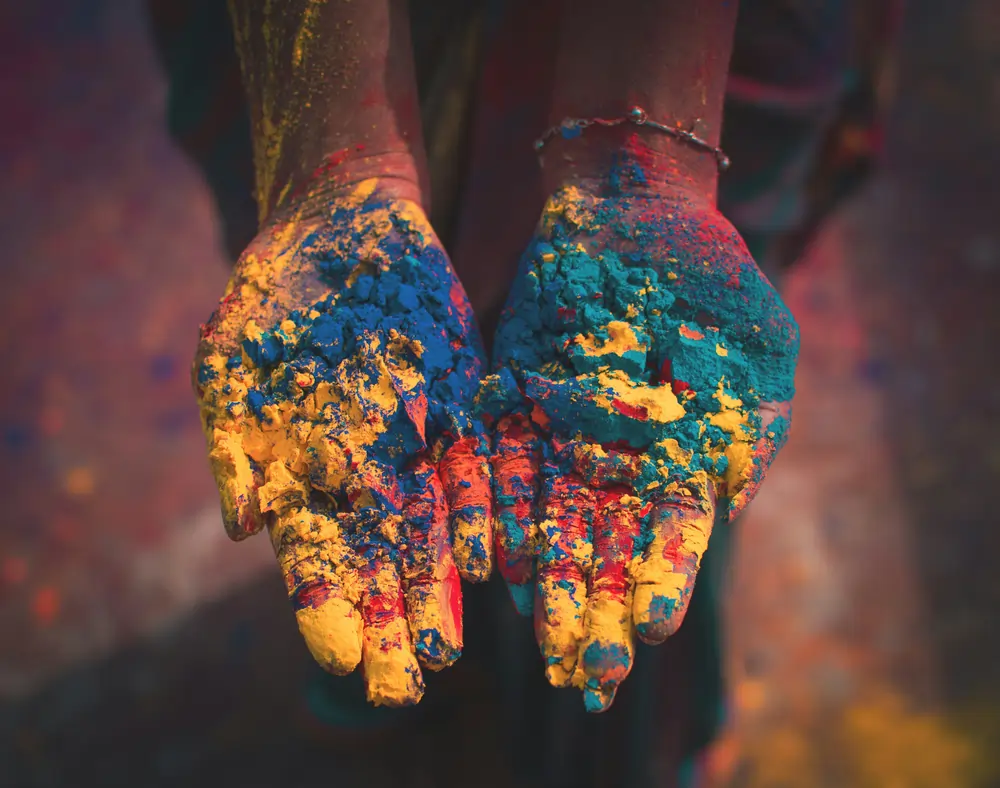
Decorating the office is a simple way to bring Diwali’s festive spirit into the workplace. Bright colours, twinkling lights, and traditional decorations such as rangoli (intricate floor designs made with coloured powders or flower petals) are cost-effective, easy to buy, and add touch of cultural spice.
3. Celebrate with Food and Snacks
Food is central to Diwali celebrations, so try and buy traditional Asian sweets like laddoos, barfis, and gulab jamuns for the team. Alternatively, ask staff members to bring in their own dishes and share them between employees. If dietary restrictions are a concern, ensure that there are vegan, vegetarian, gluten-free, and other options available to cater to all dietary needs. It’s important to create an environment where everyone feels welcome to join in the celebrations.
4. Offer Flexibility
It’s important that businesses recognise that Diwali is a special time for many employees, in much the same way Christmas is for Christians. Those employees will naturally want to spend with their families and friends, so it’s crucial for employers to offer flexibility around this time. Allowing remote work, flexible hours, or time off for those who celebrate Diwali can help employees feel respected and valued. This flexibility is especially important if Diwali falls on a weekday, as it does this year, as it gives employees the chance to participate in their traditional rituals and celebrations without the stress of work obligations.
5. Support Charitable Causes
Diwali is also a time of giving and sharing. Many people engage in charity during this festival as a way to spread joy and uplift those in need. Employers can get involved by organising charity nights or simply by donating to local food banks.

Author Andrew Horn, the son of the great neuroscientist Sir Gabriel Horn and grandson of the socialist peer Baron Soper, is widely regarded as one of the world’s leading experts on traditional Indian and Sanskrit drama whose English translation of the epic 16th-Century Vidagdha Madhava by Rupa Goswami is considered the most accurate ever published. Despite his notable lineage, Andrew chose a different path, becoming a Hare Krishna monk for 20 years. During this time, he was given the name ‘Arjundas Adhikari’, signifying devotion to the hero Arjuna from the Mahabharata. He also appeared on Top of the Pops with Boy George for the singer’s 1991 hit, Bow Down Mister.
Main image: Courtesy Debashis RC Biswas/Unsplash