
ESG tech firm gets Fortive backing in latest funding round

John E. Kaye
- Published
- Home, Technology

Software platform Datamaran recently announced it had closed a £11.7m financing led by Fortive amid growing demand from companies and financial institutions to assess environmental, social and governance (ESG) risks. Led by industrial products maker Fortive and with the participation of American Electric Power, the Series B funding round will be used to grow the company’s team in the United States and meet an expanding ESG insights market.
PepsiCo, Walgreens and Dell are users of the platform, the group said in a statement. Datamaran’s technology identifies over 400 external risk factors that could impact a company’s value, including those related to technological innovation and geopolitical issues, by scanning regulatory, media and corporate disclosures.
Chief Executive Officer and co-founder Marjella Lecourt-Alma said the new financing would help the firm speed up its expansion into more corporate boardrooms, which currently account for more than 40% of its revenues.
“Coming from strategic partners and clients, this funding is a ringing endorsement of Datamaran’s benefits,” she added.
Flows into ESG funds have surged in recent years, as governments seek to push more money to activities that can help them meet their net zero emissions goals – among others. Against this backdrop, regulators are starting to introduce mandatory sustainability disclosures for both companies and funds.
Some businesses, however, have been accused by activists of “greenwashing”, with splashy announcements of programmes that do little if anything to reduce overall greenhouse gas emissions.
“The ability to gain deeper insights into ESG and how it affects our business is increasingly important,” Sandy Nessing, AEP’s Chief Sustainability Officer, said as she pointed to a “constantly evolving” ESG landscape.
Further information
TOP STORIES
-
 Scientists and engineers quitting jobs as AI changes roles ‘beyond recognition’, study finds
 -
Deepfakes and identity fraud drive new wave of post-hire background checks
-
Brits trust AI with their health but not their money
-
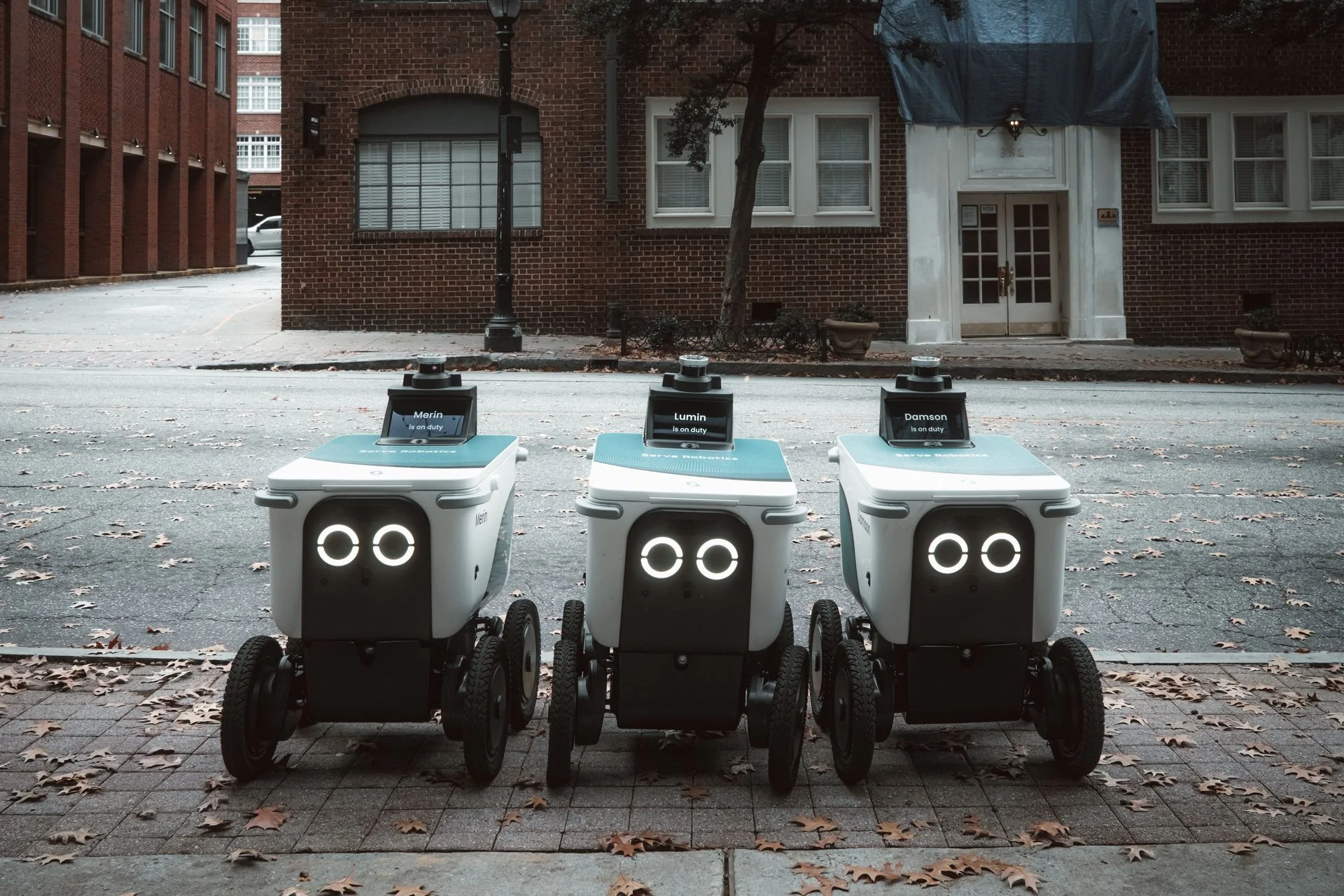
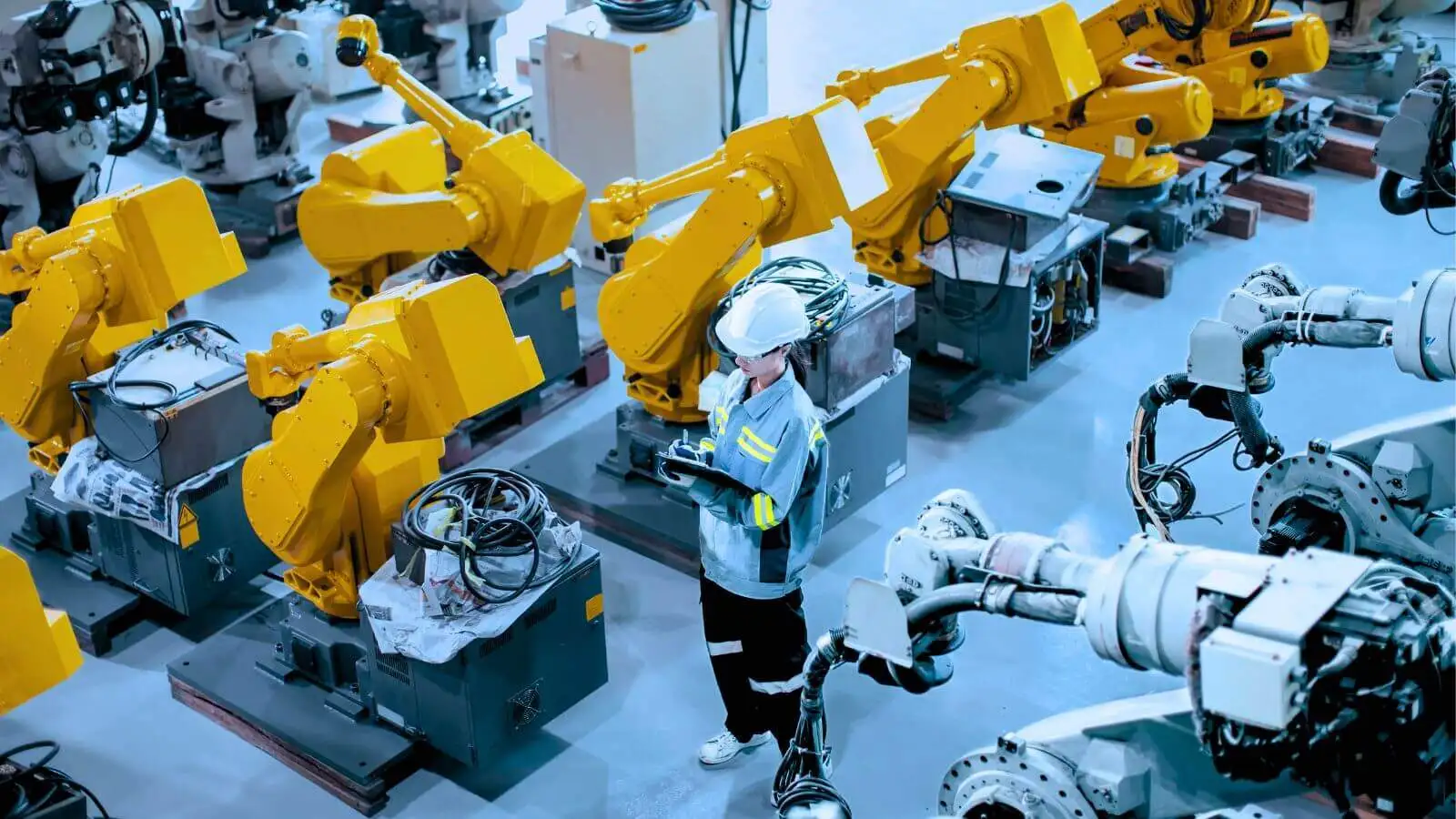
Robot sales rocket 24% as 250,000 machines snap up jobs in warehouses, hotels and hospitals
-
Nearshore supply chains: why Costa Rica is emerging as a strategic gateway for global manufacturing and innovation
-
Bank of England governor warns AI poses growing ‘increasingly significant’ threat to financial stability
-
Inside Cartago’s US$1.186bn green investment hub
-
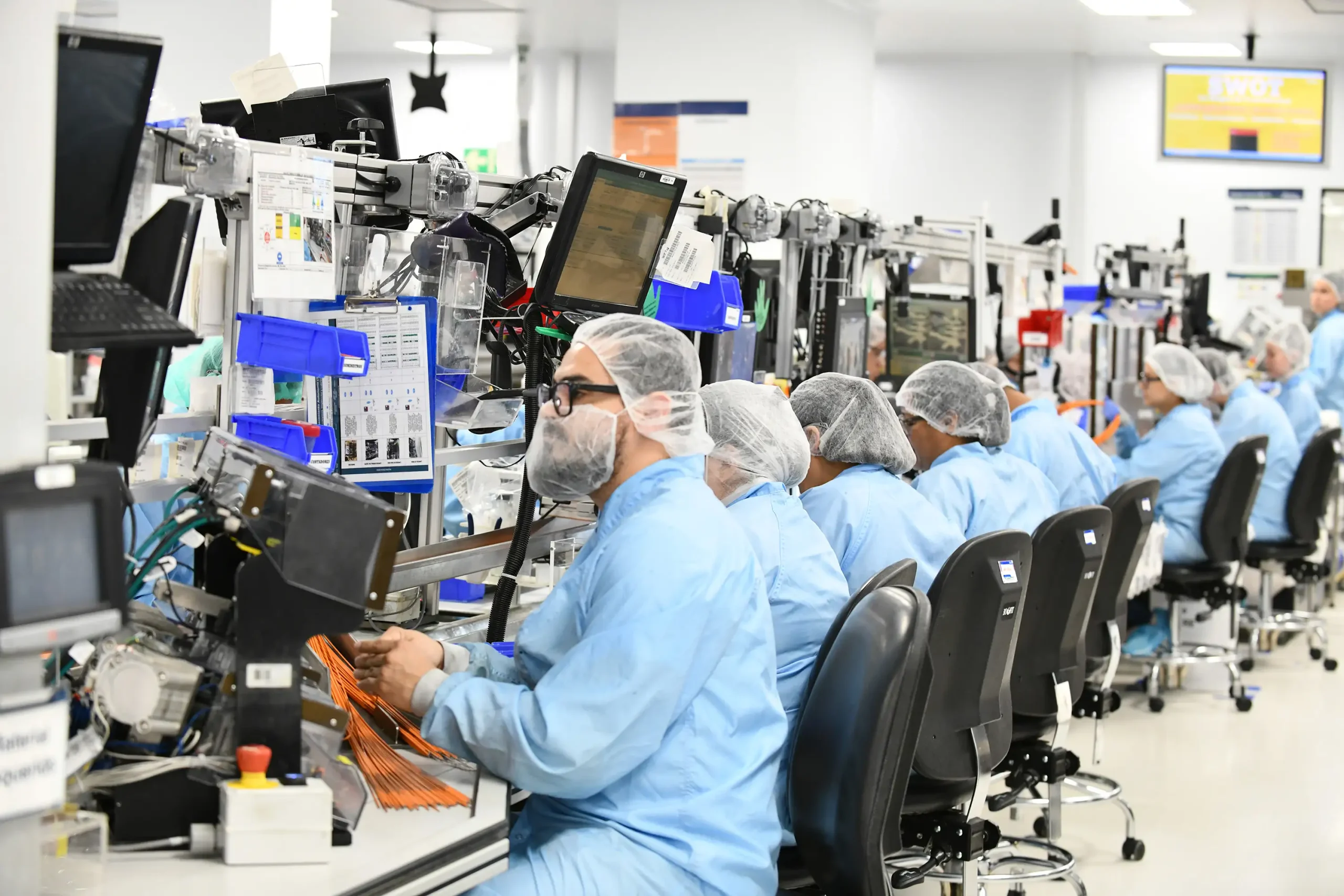
Smart manufacturing: why Costa Rica is quietly positioning itself as Latin America’s next industrial innovation hub
-
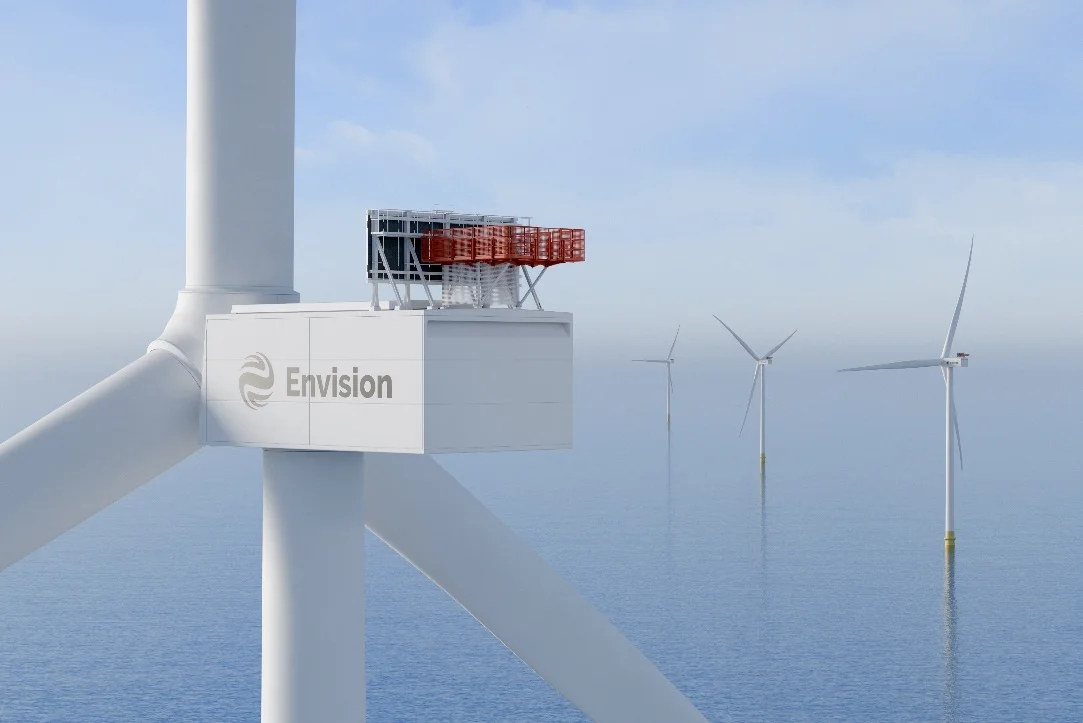
Giant wind turbine with 252-metre rotor could mean fewer machines and cheaper offshore power
-
Talent and workforce development: how Costa Rica is building a competitive knowledge economy
-
Your biggest rival could be your best technology partner, research finds
-
China unveils giant crane capable of lifting 9,300 family cars
-
LED lights could be ‘the new asbestos’, UCL scientists warn
-
OpenAI admits AI models hid mistakes, invented data and acted without permission
-
AI arms race could mean fewer cold emails reaching your inbox
-
Costa Rica is writing the next chapter of global MedTech
-
SpaceX to launch one-tonne orbital factory for European space firm in 2028
-
The Costa Rica Report 2026 is out now
-
Europe’s healthcare sector lags on AI uptake – but leads once it starts using it
-
Stranded drivers could soon call for help even with no mobile signal
-
NASA backs space ‘air brake’ that could cut years off missions to Uranus and Neptune
-
MPs and peers call for UK ban on AI that could evade human control
-
Bioweapons research, Russian-linked spies, guided rockets and cyber-attacks on Europe used Claude AI, Anthropic reveals
-
European network alliance doubles in size as digital sovereignty drive accelerates
-
European insurance giants join New York summit on future of AI



















ESG tech firm gets Fortive backing in latest funding round
John E. Kaye
- Published
- Home, Technology
TOP STORIES
-
Scientists and engineers quitting jobs as AI changes roles ‘beyond recognition’, study finds
-
Deepfakes and identity fraud drive new wave of post-hire background checks
-
Brits trust AI with their health but not their money
-
Robot sales rocket 24% as 250,000 machines snap up jobs in warehouses, hotels and hospitals
-
Nearshore supply chains: why Costa Rica is emerging as a strategic gateway for global manufacturing and innovation
-
Bank of England governor warns AI poses growing ‘increasingly significant’ threat to financial stability
-
Inside Cartago’s US$1.186bn green investment hub
-
Smart manufacturing: why Costa Rica is quietly positioning itself as Latin America’s next industrial innovation hub
-
Giant wind turbine with 252-metre rotor could mean fewer machines and cheaper offshore power
-
Talent and workforce development: how Costa Rica is building a competitive knowledge economy
-
Your biggest rival could be your best technology partner, research finds
-
China unveils giant crane capable of lifting 9,300 family cars
-
LED lights could be ‘the new asbestos’, UCL scientists warn
-
OpenAI admits AI models hid mistakes, invented data and acted without permission
-
AI arms race could mean fewer cold emails reaching your inbox
-
Costa Rica is writing the next chapter of global MedTech
-
SpaceX to launch one-tonne orbital factory for European space firm in 2028
-
The Costa Rica Report 2026 is out now
-
Europe’s healthcare sector lags on AI uptake – but leads once it starts using it
-
Stranded drivers could soon call for help even with no mobile signal
-
NASA backs space ‘air brake’ that could cut years off missions to Uranus and Neptune
-
MPs and peers call for UK ban on AI that could evade human control
-
Bioweapons research, Russian-linked spies, guided rockets and cyber-attacks on Europe used Claude AI, Anthropic reveals
-
European network alliance doubles in size as digital sovereignty drive accelerates
-
European insurance giants join New York summit on future of AI



