
Top firms call for Governmental support in UK’s return to office

John E. Kaye
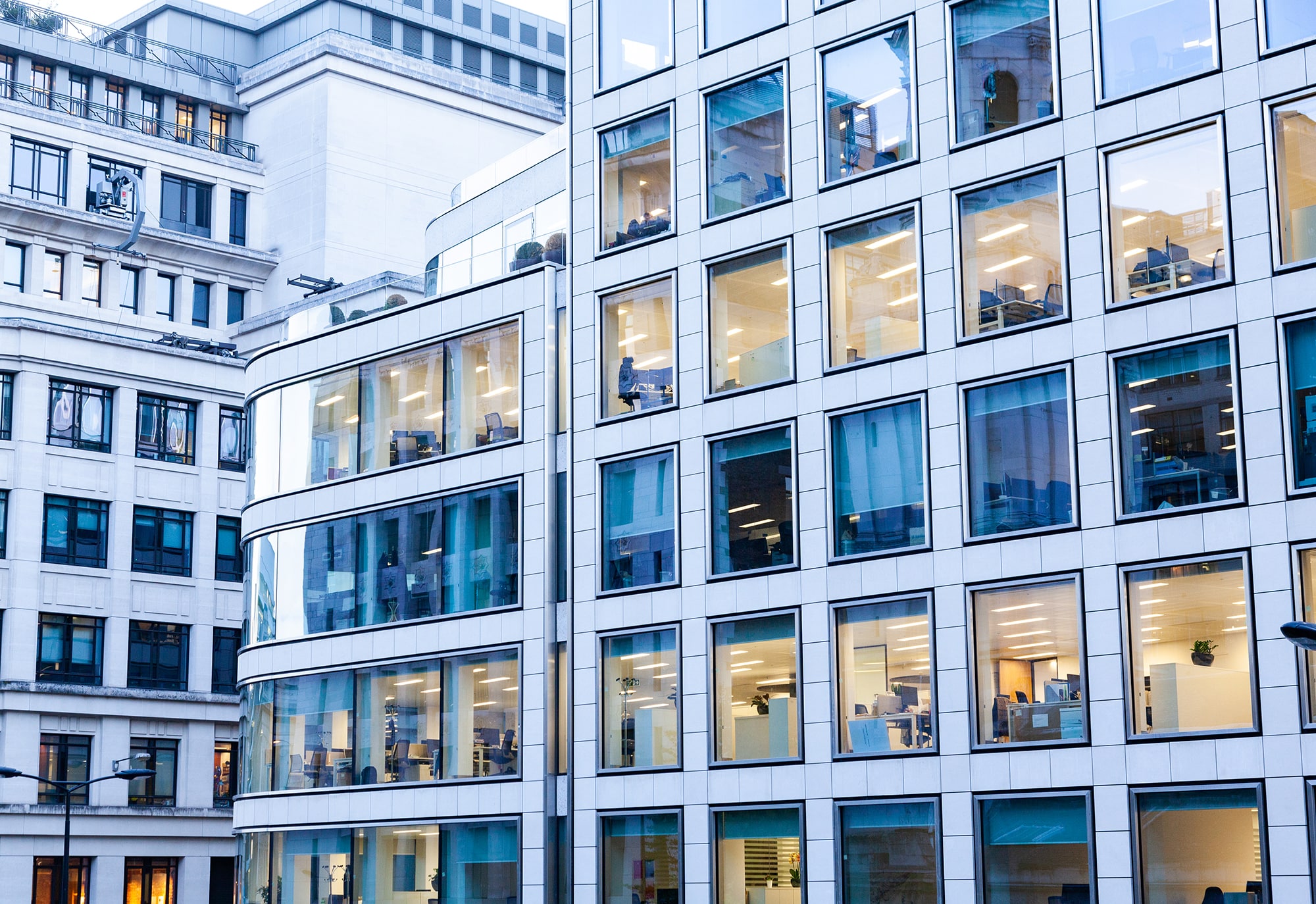
Chris Biggs, Partner at Theta Global Advisors, discusses how calls from business leaders to the Government for mass return to the office could hinder productive employees
Today, 50 business leaders have come forward urging the MP to urge employees to return to the office as lockdowns ease. Employers are concerned about flexible and working from home structures becoming the norm in contrast to legislative considerations to make these new norms the default. With lack of skilled staff being noted by The Times’ CEO Summit due to employees pushing more than ever for more flexibility in where and when they work, business leaders are advocating for’ re-skilling programmes; promotional pushbacks to encourage commuters to return to the capital; and funding to keep public transport at full strength.
However, while these concerns may have foundation and a degree of innovation and creativity in some teams may have reduced, pushes for more full returns to the office are not necessarily the strongest approach. Employees have shown that flexible and working from home approaches have been effective and are making more concerted calls for a degree of these new norms to be maintained post-pandemic. Testament to this is the 51% of Brits that have seen the quality of their work and their productivity increase with hybrid working structures.
A national study commissioned by consultancy and accounting disruptors, Theta Global Advisors, dissects the newly emotive measures that define productivity in the workplace that explain why companies should be delicate in their wooing employees back to the office through empathetic, flexible approaches:
Key Stats
· More than half (51%) of Brits agree that they have seen the quality of their work or their productivity improve due to increased employer empathy, flexibility, and working from home over the last year
· A quarter (25%) of Brits agree that despite working effectively over lockdown, their employer still doesn’t trust them to work flexibly or from home
· 57% of Brits say they are returning to the office with the worst mental health in their lifetimes *under 35s*
· 41% of workers in the UK agree that their employers are not managing correctly post-pandemic
· Over a quarter (27%) of Brits agree that a lack of empathy from their employers post-pandemic is resulting in their being less inclined to work hard for them
· 40% of Brits agree that given their experience over the last year, their employer forcing a strict return to pre-pandemic office norms would hinder their performance
(Research taken from a poll of 2,069 and nationally representative as per the British Polling council)
Theta’s research shows that at the beginning of the pandemic, more than a third (35%) of Brits stated that returning to traditional office environments would have a negative impact on their mental health and productivity. Now, a year later, this figure has increased to 40% as Brits have adapted and developed an understanding of how they can best work post-pandemic, setting out their expectations of employers more blatantly than ever.
Chris Biggs, partner at Theta Global Advisors has been leading by example at his firm. Theta provide flexible hours and hybrid working structures to their employees, allowing them to adapt on a case-by-case basis in order to be most productive, recognising the need for subjectivity for a happy and productive working environment.
Chris comments on the need to apply empathy and flexibility when considering pushes to return to the office:
“Attitudes to the future of work have affirmatively shifted, and to ensure people are at their happiest and most productive, flexibility is needed in both where and when they work. Freedom from the office must also mean freedom to go to the office to account for different experiences, priorities, and conditions. New policies will account for substantial differentiations in employees’ experience of working during Covid-19. However, greater flexibility is still needed to account for different experiences and resources on a case-by-case basis. Working environments are looking like they will never return to what they were in 2019, changing very much for the better.
“As such, while employers may instinctively want to see their staff back in the office and for work to go ‘back to normal’ as soon as possible, this is not necessarily the strongest or most sensible approach. Working culture and expectations have changed, and if approached with empathy and flexibility, will result in a far happier, more productive workforce delivering work of a higher standard than before Covid-19. Employees have proven they can be effective when given flexible options or working from home, and employers need to respond to this with trust and structured flexibility approaches allowing employees to alter as necessary.”
TOP STORIES
-
 Gamers face gridlock as latest Grand Theft Auto download 'nears two days'
 -
Jaguar puts controversial rebrand on the road with £130K 1,030PS Type 01
-
Spain crowned Europe’s top retirement destination
-
Yeah, baby! BMW M350 xDrive makes UK debut at 1970s-themed Bicester Scramble
-
I was one of the last Western women in Tehran after the Iranian Revolution
-
World's first luxury theme park to open in Mexico with £1.1bn of rides, fine entertainment and deliberately limited crowds
-
Meltdowns, pre-race tears and 'joyous bedlam': inside Goodwood’s wildest race of the weekend
-
British Museum bans photos of Bayeux Tapestry after visitors hold up queues
-
Two Mediterranean islands, one perfect autumn escape
-
Inside the world’s wildest new mini golf course with caves, 13ft waterfalls… and sharks
-
This Japanese ski resort has just been named the world’s best place for seasonal work
-
This French city could be the ultimate European weekend break
-
In search of Vancouver Island’s sea wolves
-
Del Boy’s bent cop nemesis inspired David Jason to become a TV detective
-
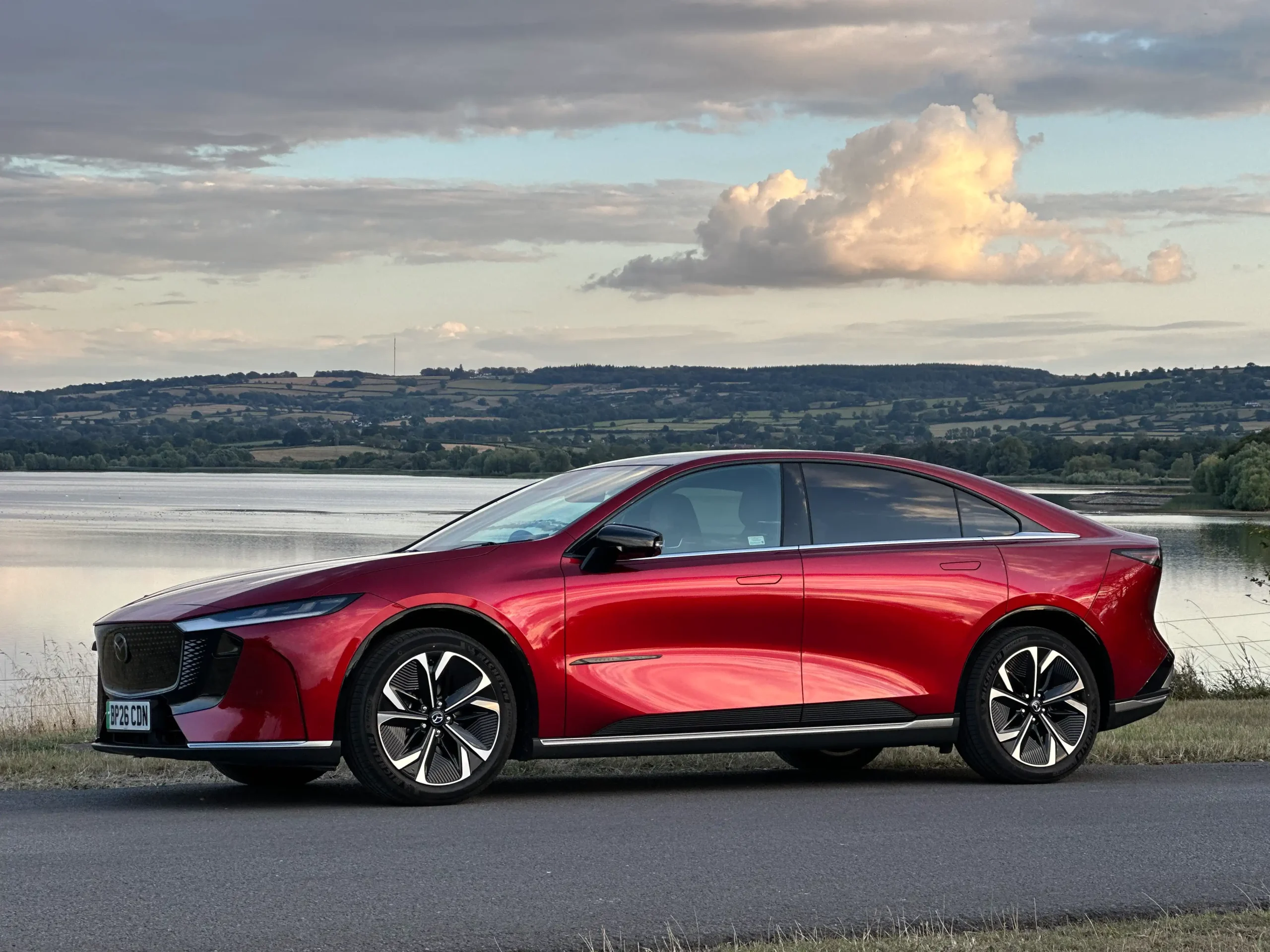
Is Mazda’s new £39,000 EV the ideal commuter?
-
Gozo at working pace: Malta’s low-key answer to remote life
-
Britons flock to Greece as tourist numbers jump 15%
-
Winter in paradise: the best time to see Mauritius
-
More than half of US travellers now use AI to plan holidays
-
The Maldives with kids? It’s child’s play
-
The New Forest – Britain’s forgotten gem
-
Diving in to … save Britain’s baby lobsters
-
Jewellery Museum explores silver’s cosmic origins in new exhibition
-
Double Dutch: the ultimate twin-city break in Holland
-
Happy Days! We spent 72 hours in the world's happiest city – here's what we discovered




















TOP STORIES
-
Gamers face gridlock as latest Grand Theft Auto download 'nears two days'
-
Jaguar puts controversial rebrand on the road with £130K 1,030PS Type 01
-
Spain crowned Europe’s top retirement destination
-
Yeah, baby! BMW M350 xDrive makes UK debut at 1970s-themed Bicester Scramble
-
I was one of the last Western women in Tehran after the Iranian Revolution
-
World's first luxury theme park to open in Mexico with £1.1bn of rides, fine entertainment and deliberately limited crowds
-
Meltdowns, pre-race tears and 'joyous bedlam': inside Goodwood’s wildest race of the weekend
-
British Museum bans photos of Bayeux Tapestry after visitors hold up queues
-
Two Mediterranean islands, one perfect autumn escape
-
Inside the world’s wildest new mini golf course with caves, 13ft waterfalls… and sharks
-
This Japanese ski resort has just been named the world’s best place for seasonal work
-
This French city could be the ultimate European weekend break
-
In search of Vancouver Island’s sea wolves
-
Del Boy’s bent cop nemesis inspired David Jason to become a TV detective
-
Is Mazda’s new £39,000 EV the ideal commuter?
-
Gozo at working pace: Malta’s low-key answer to remote life
-
Britons flock to Greece as tourist numbers jump 15%
-
Winter in paradise: the best time to see Mauritius
-
More than half of US travellers now use AI to plan holidays
-
The Maldives with kids? It’s child’s play
-
The New Forest – Britain’s forgotten gem
-
Diving in to … save Britain’s baby lobsters
-
Jewellery Museum explores silver’s cosmic origins in new exhibition
-
Double Dutch: the ultimate twin-city break in Holland
-
Happy Days! We spent 72 hours in the world's happiest city – here's what we discovered



