Riskline’s Suzanne Sangiovese discusses leadership in the risk management sector
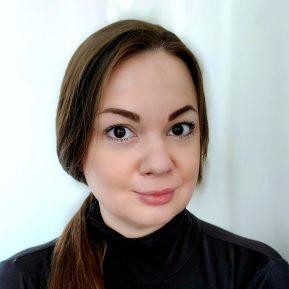
Suzanne Sangiovese is Commercial & Communications Director for Riskline and has over a decade of experience in the travel risk management industry. She is Vice Chair of GBTA Canada’s Risk Committee (Global Business Travel Association), a member of the Women in International Security (WIIS) organisation and of WINiT by GBTA, a network driving positive change for women in the travel-related industries.
An expert in global security and safety issues, particularly those affecting women, Suzanne is a regular speaker at numerous industry events including the GBTA conventions. Here, she shares her thoughts on women’s leadership opportunities and her own experience for International Women’s Day.
What does IWD mean to you?
The United Nations’ theme for International Women’s Day this year is “Women in leadership: Achieving an equal future in a COVID-19 world”.
It’s interesting that while the majority of countries which have been more successful at controlling the severity of the COVID-19 pandemic have been led by women – take for example Finland, Denmark, Iceland and New Zealand – women have also been disproportionately more affected by the socio-economic impacts of the pandemic. Women make up over 70% of workers in the health sector and it’s mostly women who work in the sectors hardest hit by COVID-19 restrictions and measures, including domestic work, hospitality services and retail.
What advice would you give to other women entering the risk management sector and progressing their careers?
Take a risk! The risk management sector is typically male-dominated, in contrast to the travel sector which is generally dominated by women (I’ve seen reports of more than 70 percent of the workforce being women). This is likely for different reasons, including fewer women obtaining the type of university degrees traditionally associated with risk management, and a perception that the sector has more conservative and “masculine” undertones.
How can we get more women into leadership positions in the industry?
There remain barriers to women applying for leadership positions, including concerns around work life balance. For women with children or dependents who rely on them at home, they are more likely to require flexible work schedules which can be more difficult to achieve in senior positions.
Women should seek out and make the most of the support offered by organisations such as the Women in International Security (WIIS) organisation and WINiT by GBTA who run training, networking and mentoring programmes. Mentoring programmes are crucial – regardless of age or career level, women should surround themselves with inspiring individuals who can share the benefit of their experience and professional advice. Likewise, those already in leadership positions should consider becoming mentees. UN statistics tell us “women held only 28% of managerial positions globally in 2019 – almost the same proportion as in 1995.” For those of us who have come a long way, it’s our duty tonot leave the rest behind.
What prevailing stereotypes about women in business would you like to see broken?
Any type of gender stereotyping is bad for business. Painting women in leadership positions as emotionless, tough, or angry are all dangerous notions about female success that can hamper other women from seeking it. The stereotypes and myths that women are risk-averse or are not profit-motivated are simply not true: over half of all small businesses are either owned 100% or partially by women in North America, and nearly a third in the UK, for example.
For me, IWD is a time of reflection, self-education, celebration, and social action. I come from a long line of strong, persevering immigrant women. My maternal grandmother suddenly found herself the sole breadwinner for her family when she was left widowed at the age of 33 with four children at home under the age of eight. I myself was a latchkey kid growing up with a “working mother” – a redundant phrase – who was determined that I have a more privileged life than she did. Despite the struggles, the women in my family also found successes; however, this cannot be said for many women in the world. For women to achieve an equal future and fulfil the aim of this year’s International Women’s Day, we all – both women and men around the world – need to play our part.
Further information