
UK research and innovation frontier under ransomware attack

John E. Kaye
- Published
- Home, Technology
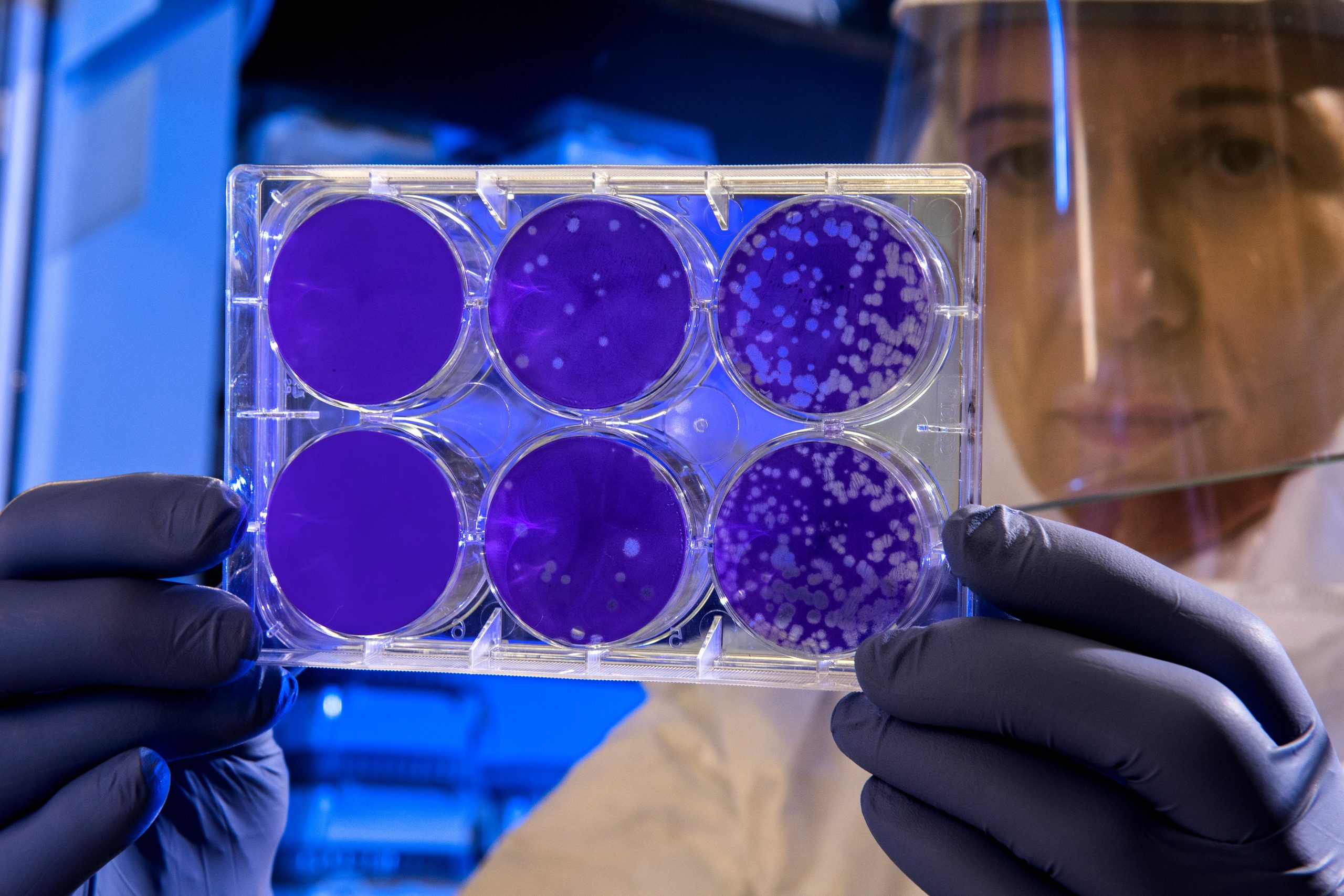
Corporate espionage threatens innovation and can slow down COVID remediation
The UK Research and Innovation (UKRI) has recently disclosed a ransomware attack that has disrupted its services and led to data theft. The institution is responsible for managing research grants and supporting innovative business initiatives in the UK, and therefore possesses financial, research and personal data.
With the world looking forward to the end of the pandemic as the vaccination speeds up, hackers are leveraging the technique known as corporate (also labeled as industrial) espionage to get their hands on valuable intelligence.
As data by Google Trends show, the popularity of the search term ‘vaccines’ doubled in January, reaching an all-time record. The majority of internet users are vulnerable to COVID-19 vaccine-related scams, promising the immediate remedy without waiting in queue set by their country’s officials. Enterprises face yet another risk.
Last week, US pharmaceutical producer Pfizer and its German partner BioNTech admitted that the information about their COVID-19 vaccines has been leaked online from the European Medicines Agency servers. Back in December, 2020, Interpol warned that vaccines will become a popular cyberattack vector in 2021.
“In the digital age, hackers perform corporate spying by applying other well-known, yet neglected, attack vectors. First they try to smuggle malware into the business systems via infected hardware or by performing phishing attacks. Later, malware gathers sensitive information and forwards it to the criminals,” explains Juta Gurinaviciute, the CTO at NordVPN Teams.
Usually the spyware is quiet, so the victim is unaware of its presence: the program secretly leaks everything it can find on the hard drive or the corporate servers. Ransomware, on the other hand, primarily encrypts the victim’s data and requires a payment to release it.
Hackers often aim at novel, undisclosed and highly secret data. The medical sector is one of the main targets with an average $7.13 million of damage per breach.
“The healthcare industry is in the spotlight today and it attracts criminals’ attention. However, medical contractors are also at risk. Their data can be compromised in supply chain attacks—or they could become a gateway for malicious actors to infiltrate medical research institutions,” warns NordVPN Teams expert.
To mitigate the risk, it is important to ensure safe remote connection to servers and implementing Zero Trust Network Access (ZTNA). It limits employees access to corporate data, allowing them to use only the information needed to complete the task—and for a limited time only.
Further information
TOP STORIES
-
 Uber launches UK’s first autonomous ride-hailing service in London
 -
Products made in space move closer to commercial reality
-
Snickers creates ‘world’s first digital chocolate bar’ for misbehaving AI
-
Lidl owner plans €5.6bn data centre as Germany pushes digital independence
-
AI could make it easier for citizens to have their say, study finds
-
Hidden workplace chemical risks come under spotlight as experts turn to skin exposure
-
Robot beats Usain Bolt’s 100m record at Beijing games
-
Robots that work, play and even tackle the laundry go on show in Beijing
-
Israeli genomics firm opens easier route to AI system for NHS labs
-
Healthcare AI plans hampered by spreadsheets and legacy systems
-
How AI trading bots are reshaping retail currency trading in Europe
-
AI ‘kill switch’ launched to stop rogue agents in seconds
-
Governments need private-sector firepower to fight the next cyber war
-
Why phishing is about to get much harder to stop
-
Germany’s former coal heartland makes pitch as Europe’s next AI hub
-
Costa Rica’s MedTech firms now run services, not just factories
-
The end of IOC fatigue: why CISOs need to think in campaigns, not emails
-
AI ‘could leave us busier than ever’, Oxford professor warns
-
The five pillars shaping technology-led entertainment platforms
-
Ulugbek Mirzamukhamedov on how AI could power the 21st-century economy
-
Burnham told to tackle Britain’s cyber weak spots on day one
-
Doctors using AI before health systems set the rules
-
Humanoid robots could become the next K-pop stars
-
Burnham warned digital exclusion is now a national security risk
-
GigaCloud and Cubbit launch sovereign cloud storage for Ukraine and Poland























UK research and innovation frontier under ransomware attack
John E. Kaye
- Published
- Home, Technology
TOP STORIES
-
Uber launches UK’s first autonomous ride-hailing service in London
-
Products made in space move closer to commercial reality
-
Snickers creates ‘world’s first digital chocolate bar’ for misbehaving AI
-
Lidl owner plans €5.6bn data centre as Germany pushes digital independence
-
AI could make it easier for citizens to have their say, study finds
-
Hidden workplace chemical risks come under spotlight as experts turn to skin exposure
-
Robot beats Usain Bolt’s 100m record at Beijing games
-
Robots that work, play and even tackle the laundry go on show in Beijing
-
Israeli genomics firm opens easier route to AI system for NHS labs
-
Healthcare AI plans hampered by spreadsheets and legacy systems
-
How AI trading bots are reshaping retail currency trading in Europe
-
AI ‘kill switch’ launched to stop rogue agents in seconds
-
Governments need private-sector firepower to fight the next cyber war
-
Why phishing is about to get much harder to stop
-
Germany’s former coal heartland makes pitch as Europe’s next AI hub
-
Costa Rica’s MedTech firms now run services, not just factories
-
The end of IOC fatigue: why CISOs need to think in campaigns, not emails
-
AI ‘could leave us busier than ever’, Oxford professor warns
-
The five pillars shaping technology-led entertainment platforms
-
Ulugbek Mirzamukhamedov on how AI could power the 21st-century economy
-
Burnham told to tackle Britain’s cyber weak spots on day one
-
Doctors using AI before health systems set the rules
-
Humanoid robots could become the next K-pop stars
-
Burnham warned digital exclusion is now a national security risk
-
GigaCloud and Cubbit launch sovereign cloud storage for Ukraine and Poland



