
Time to step up and innovate

John E. Kaye
- Published
- Home, Technology

The global health crisis is calling on business leaders to explore the boundaries of innovation and rise to the greatest technical challenge for a century, says Ben Parker
As the Wall Street Crash hit in 1929 Austrian economist Joseph Schumpeter was a visiting professor at Harvard. He watched as global GDP plunged some 15% in less than three years. While his Ivy League contemporaries raced to make apocalyptic forecasts of irreversible decline, Schumpeter kept a cool head. Recessions, he believed, incentivised innovation in a way that the good times simply could not. He was clear – mankind would recover because its brightest thinkers would push themselves to hit new heights of technical achievement.
As the crash became the Great Depression of the 1930s, new enterprises sprung up across America. Underperforming companies were replaced by more dynamic market entrants. Capital was released from dying sectors to industries embracing technological change. More than 70 in-house R&D labs were set up at large companies. Designers, engineers and business leaders collectively threw off the shackles in pursuit of better ways of doing things.
Innovation became a necessity to survive in a world less liquid than ever before. And with this came a genuine sense of fearlessness that would fast-track progress in a way never seen in the history of mankind. The result? The world was introduced to jet engines, electron microscopes, and 100-story skyscrapers.
People are experiencing the kind of hardships we thought had been confined to the early days of the 20th century. It is affecting us and our loved ones more than we could ever have imagined. But in this time of adversity we are beginning to see the spectacle that is humankind at its innovative best.
Across the world designers, business leaders and public officials are using the crisis as an opportunity to innovate – co-creating new methods of solving the most pressing problems facing us all.
In Milan authorities are set to completely reconsider how mobility is thought of across the city. After lockdown some 22 miles of streets will be reclaimed for sole use by pedestrians in a bid to tackle the city’s chronic air pollution problem. While in the Netherlands British economist Kate Raworth has collaborated with the city of Amsterdam to put her “Doughnut” economic model into practice creating a city-wide circular economy.
Post-coronavirus the systemic challenges that have been facing us for years will remain. World leaders will still be burning the midnight oil trying to square the circle of perpetual economic growth with true environmental sustainability. Blue chip business chiefs will continue straining to find new ways of appealing to consumers sick to the back teeth of big oil and big plastic.
The future has accelerated into view. Hardship provides the conditions for the kind of miraculous progress that takes us all to new levels of being. It fosters the boundless experimentation, creative vision, and bold design that just isn’t possible when the going is good. And so the future belongs to those societies, businesses and people bold enough to use adversity as their oxygen.
Further information
TOP STORIES
-
 Deepfakes and identity fraud drive new wave of post-hire background checks
 -
Brits trust AI with their health but not their money
-
Robot sales rocket 24% as 250,000 machines snap up jobs in warehouses, hotels and hospitals
-
Nearshore supply chains: why Costa Rica is emerging as a strategic gateway for global manufacturing and innovation
-
Bank of England governor warns AI poses growing ‘increasingly significant’ threat to financial stability
-
Inside Cartago’s US$1.186bn green investment hub
-
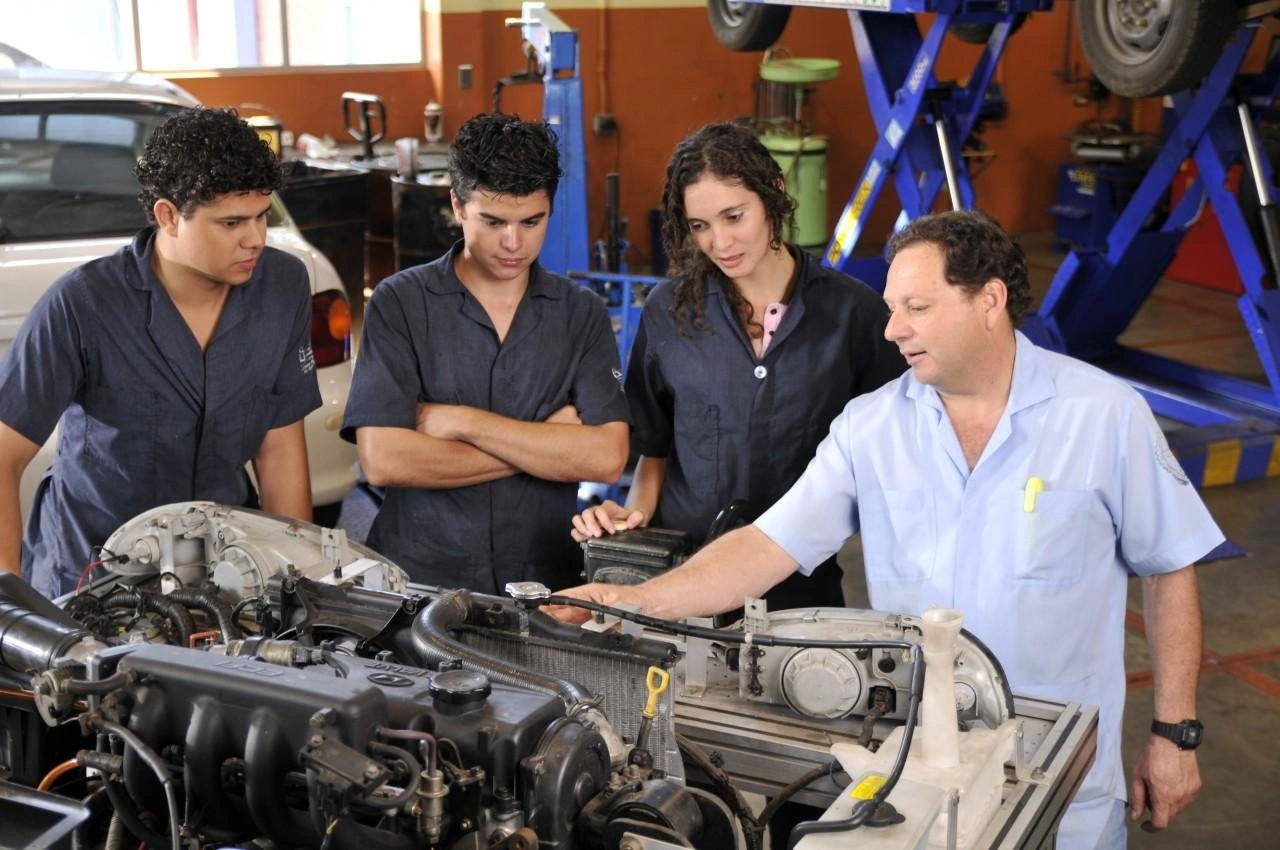
Smart manufacturing: why Costa Rica is quietly positioning itself as Latin America’s next industrial innovation hub
-
Giant wind turbine with 252-metre rotor could mean fewer machines and cheaper offshore power
-
Talent and workforce development: how Costa Rica is building a competitive knowledge economy
-
Your biggest rival could be your best technology partner, research finds
-
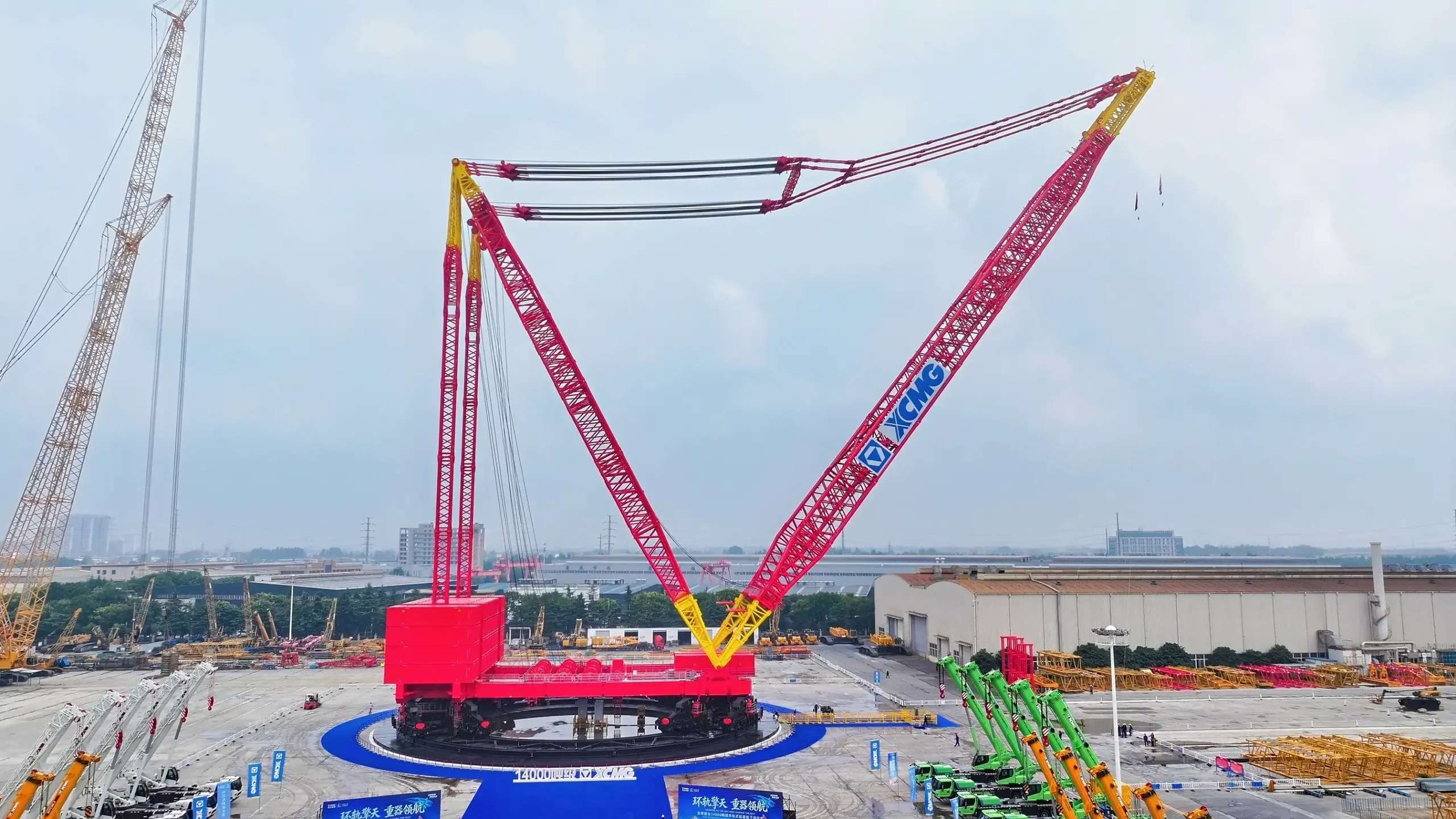
China unveils giant crane capable of lifting 9,300 family cars
-
LED lights could be ‘the new asbestos’, UCL scientists warn
-
OpenAI admits AI models hid mistakes, invented data and acted without permission
-
AI arms race could mean fewer cold emails reaching your inbox
-
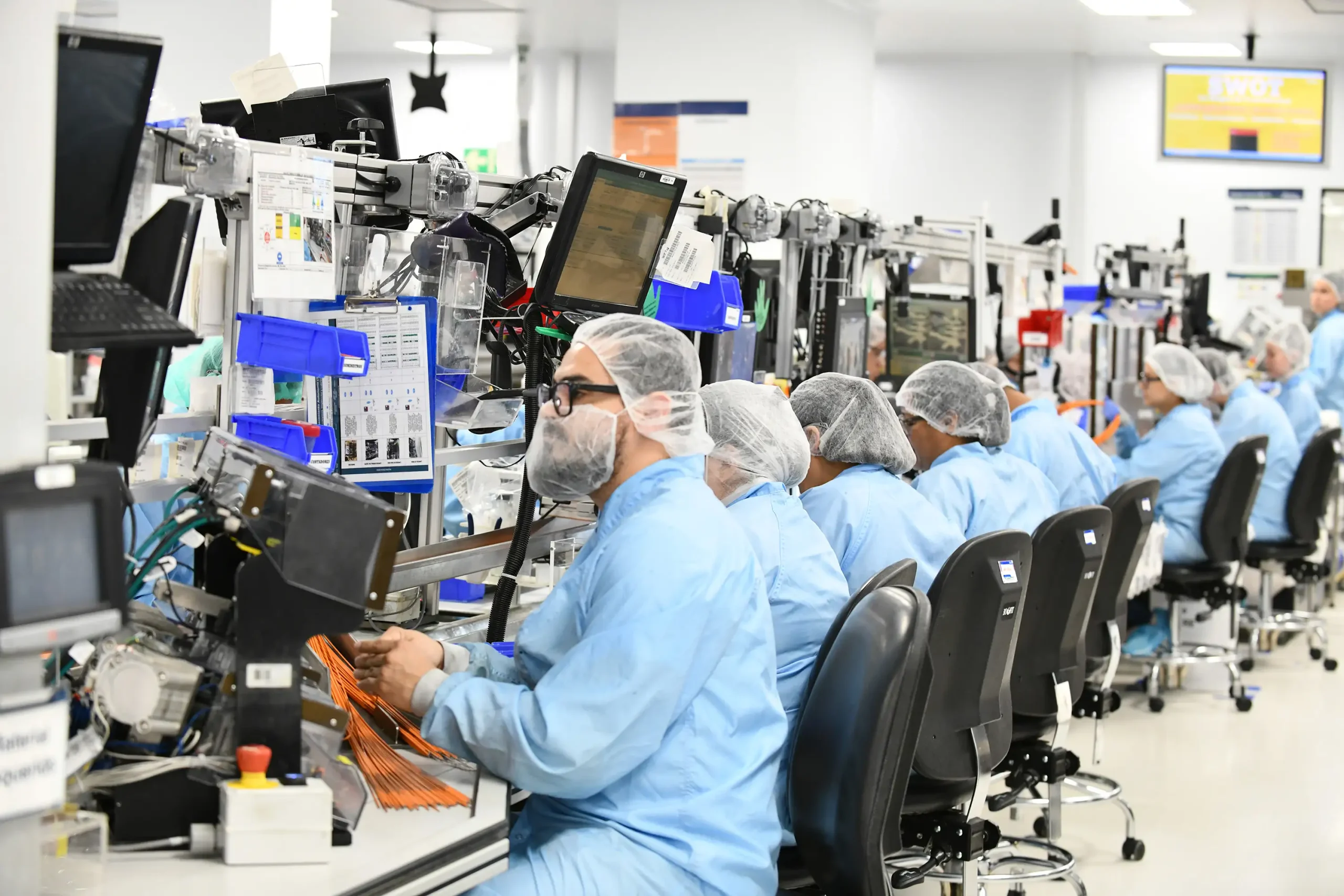
Costa Rica is writing the next chapter of global MedTech
-
SpaceX to launch one-tonne orbital factory for European space firm in 2028
-
The Costa Rica Report 2026 is out now
-
Europe’s healthcare sector lags on AI uptake – but leads once it starts using it
-
Stranded drivers could soon call for help even with no mobile signal
-
NASA backs space ‘air brake’ that could cut years off missions to Uranus and Neptune
-
MPs and peers call for UK ban on AI that could evade human control
-
Bioweapons research, Russian-linked spies, guided rockets and cyber-attacks on Europe used Claude AI, Anthropic reveals
-
European network alliance doubles in size as digital sovereignty drive accelerates
-
European insurance giants join New York summit on future of AI
-
Oxford leads £10m international study as resistance threatens new TB treatments












TOP STORIES
-
Deepfakes and identity fraud drive new wave of post-hire background checks
-
Brits trust AI with their health but not their money
-
Robot sales rocket 24% as 250,000 machines snap up jobs in warehouses, hotels and hospitals
-
Nearshore supply chains: why Costa Rica is emerging as a strategic gateway for global manufacturing and innovation
-
Bank of England governor warns AI poses growing ‘increasingly significant’ threat to financial stability
-
Inside Cartago’s US$1.186bn green investment hub
-
Smart manufacturing: why Costa Rica is quietly positioning itself as Latin America’s next industrial innovation hub
-
Giant wind turbine with 252-metre rotor could mean fewer machines and cheaper offshore power
-
Talent and workforce development: how Costa Rica is building a competitive knowledge economy
-
Your biggest rival could be your best technology partner, research finds
-
China unveils giant crane capable of lifting 9,300 family cars
-
LED lights could be ‘the new asbestos’, UCL scientists warn
-
OpenAI admits AI models hid mistakes, invented data and acted without permission
-
AI arms race could mean fewer cold emails reaching your inbox
-
Costa Rica is writing the next chapter of global MedTech
-
SpaceX to launch one-tonne orbital factory for European space firm in 2028
-
The Costa Rica Report 2026 is out now
-
Europe’s healthcare sector lags on AI uptake – but leads once it starts using it
-
Stranded drivers could soon call for help even with no mobile signal
-
NASA backs space ‘air brake’ that could cut years off missions to Uranus and Neptune
-
MPs and peers call for UK ban on AI that could evade human control
-
Bioweapons research, Russian-linked spies, guided rockets and cyber-attacks on Europe used Claude AI, Anthropic reveals
-
European network alliance doubles in size as digital sovereignty drive accelerates
-
European insurance giants join New York summit on future of AI
-
Oxford leads £10m international study as resistance threatens new TB treatments



