
Huawei expects to see revenue uplift from 5G roll-out next year

John E. Kaye
News & Features
- Published
- Home, Technology
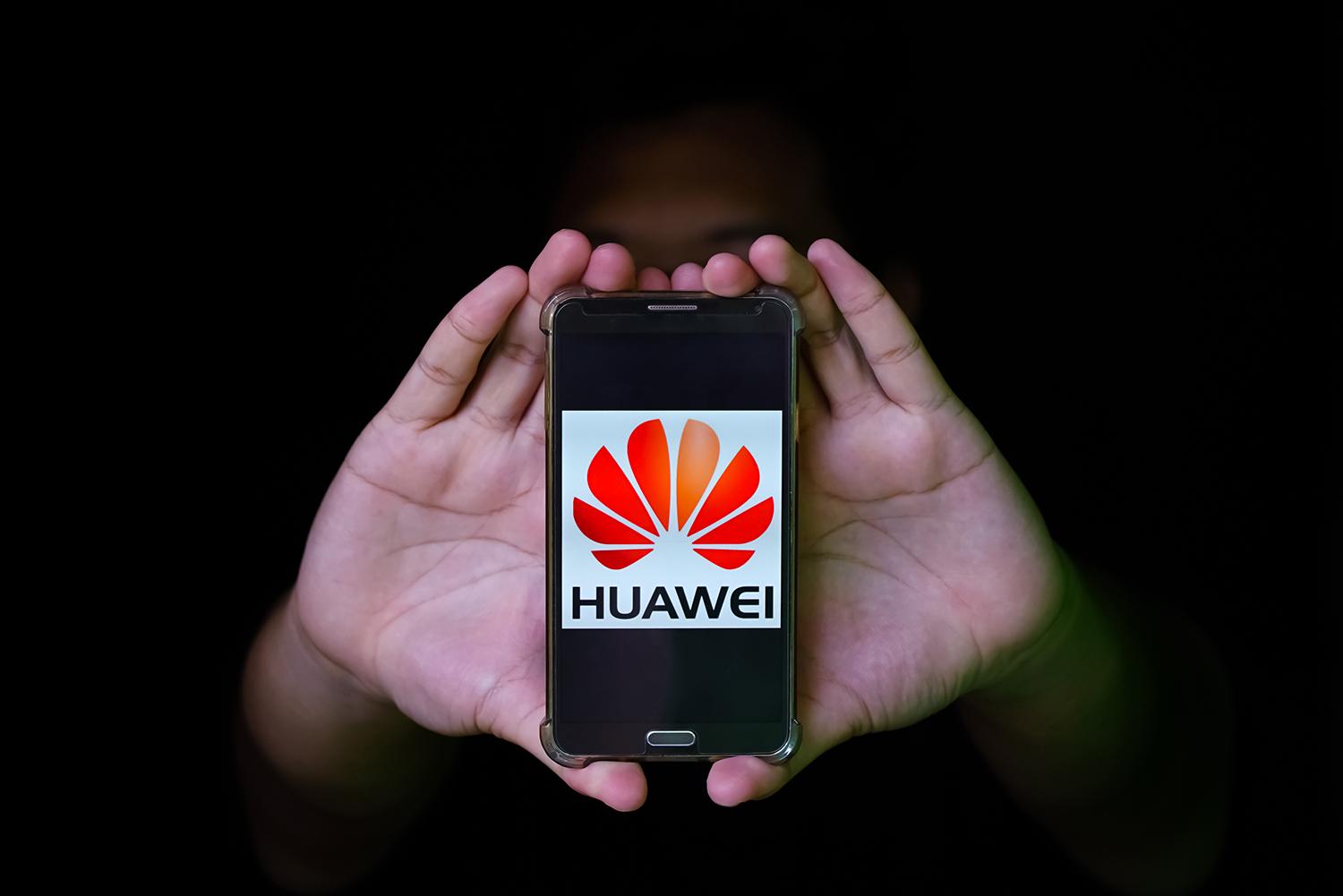
Huawei Technologies expects the roll-out of next-generation 5G wireless networks to start contributing to the firm’s revenue from next year when China launches services, the company’s deputy chairman said on Wednesday.
The Chinese telecoms equipment giant has said that it has secured more than 50 5G commercial contracts even as it fights accusations from the United States and its allies that its networks are vehicles for Chinese espionage.
Ken Hu said that while the roll-out was accelerating, especially in Asia, the company believed that it would still need to “wait for a while before 5G contributes a sizeable share to revenue”.
“We will have a clearer picture by mid-next year because by then the first batch of 5G commercial roll-outs in China will reach a certain phase,” he told reporters on the sidelines of a company conference, estimating that Huawei had now signed about 60 contracts.
China’s big three state telcos are racing to roll out 5G services in more than 50 cities this year, following countries like South Korea and the United States which have already started the service that promises to support new technologies such as autonomous driving.
Huawei’s home market has become more crucial to the company since Washington in May banned U.S. firms trading with it due to national security concerns, hitting the company’s international business.
The company denies the allegations and says Washington is trying to curb its industry leadership to benefit U.S. companies.
Huawei founder and CEO Ren Zhengfei last week told The Economist magazine that in order to resolve U.S. concerns, he is open to selling his firm’s 5G technology – including patents, code, blueprints, production know-how – to Western firms for a one-off fee.
Hu said that Ren’s suggestion was not complex and that a new player could help alleviate security concerns.
“If the proposal gets implemented it will on one hand support more competition in 5G across the global supply chain, and such competition is beneficial to consumers and users and also contributes to the industry itself,” he said.
The company also on Wednesday launched what it described as “the world’s fastest artificial intelligence training cluster”, dubbed Atlas 900, and pledged to invest $1.5 billion in its developer programme.
Huawei, which is also the world’s No.2 smartphone maker, is scheduled to launch a new high-end smartphone on Thursday, despite uncertainty about whether the new handset will be able to run Google’s Android operating system and apps.
Huawei said last month that, while the impact of the U.S. curbs was weaker than previously expected, it would still push its smartphone unit’s revenue lower by about $10 billion this year. ($1 = 7.0905 Chinese yuan renminbi)
Source: Reuters
TOP STORIES
-
 We're talking to almost twice as many people on the phone as a decade ago, study finds
 -
Scientists and engineers quitting jobs as AI changes roles ‘beyond recognition’, study finds
-
Deepfakes and identity fraud drive new wave of post-hire background checks
-
Brits trust AI with their health but not their money
-
Robot sales rocket 24% as 250,000 machines snap up jobs in warehouses, hotels and hospitals
-
Nearshore supply chains: why Costa Rica is emerging as a strategic gateway for global manufacturing and innovation
-
Bank of England governor warns AI poses growing ‘increasingly significant’ threat to financial stability
-
Inside Cartago’s US$1.186bn green investment hub
-
Smart manufacturing: why Costa Rica is quietly positioning itself as Latin America’s next industrial innovation hub
-
Giant wind turbine with 252-metre rotor could mean fewer machines and cheaper offshore power
-
Talent and workforce development: how Costa Rica is building a competitive knowledge economy
-
Your biggest rival could be your best technology partner, research finds
-
China unveils giant crane capable of lifting 9,300 family cars
-
LED lights could be ‘the new asbestos’, UCL scientists warn
-
OpenAI admits AI models hid mistakes, invented data and acted without permission
-
AI arms race could mean fewer cold emails reaching your inbox
-
Costa Rica is writing the next chapter of global MedTech
-
SpaceX to launch one-tonne orbital factory for European space firm in 2028
-
The Costa Rica Report 2026 is out now
-
Europe’s healthcare sector lags on AI uptake – but leads once it starts using it
-
Stranded drivers could soon call for help even with no mobile signal
-
NASA backs space ‘air brake’ that could cut years off missions to Uranus and Neptune
-
MPs and peers call for UK ban on AI that could evade human control
-
Bioweapons research, Russian-linked spies, guided rockets and cyber-attacks on Europe used Claude AI, Anthropic reveals
-
European network alliance doubles in size as digital sovereignty drive accelerates



















Huawei expects to see revenue uplift from 5G roll-out next year
John E. Kaye
News & Features
- Published
- Home, Technology
TOP STORIES
-
We're talking to almost twice as many people on the phone as a decade ago, study finds
-
Scientists and engineers quitting jobs as AI changes roles ‘beyond recognition’, study finds
-
Deepfakes and identity fraud drive new wave of post-hire background checks
-
Brits trust AI with their health but not their money
-
Robot sales rocket 24% as 250,000 machines snap up jobs in warehouses, hotels and hospitals
-
Nearshore supply chains: why Costa Rica is emerging as a strategic gateway for global manufacturing and innovation
-
Bank of England governor warns AI poses growing ‘increasingly significant’ threat to financial stability
-
Inside Cartago’s US$1.186bn green investment hub
-
Smart manufacturing: why Costa Rica is quietly positioning itself as Latin America’s next industrial innovation hub
-
Giant wind turbine with 252-metre rotor could mean fewer machines and cheaper offshore power
-
Talent and workforce development: how Costa Rica is building a competitive knowledge economy
-
Your biggest rival could be your best technology partner, research finds
-
China unveils giant crane capable of lifting 9,300 family cars
-
LED lights could be ‘the new asbestos’, UCL scientists warn
-
OpenAI admits AI models hid mistakes, invented data and acted without permission
-
AI arms race could mean fewer cold emails reaching your inbox
-
Costa Rica is writing the next chapter of global MedTech
-
SpaceX to launch one-tonne orbital factory for European space firm in 2028
-
The Costa Rica Report 2026 is out now
-
Europe’s healthcare sector lags on AI uptake – but leads once it starts using it
-
Stranded drivers could soon call for help even with no mobile signal
-
NASA backs space ‘air brake’ that could cut years off missions to Uranus and Neptune
-
MPs and peers call for UK ban on AI that could evade human control
-
Bioweapons research, Russian-linked spies, guided rockets and cyber-attacks on Europe used Claude AI, Anthropic reveals
-
European network alliance doubles in size as digital sovereignty drive accelerates



