Putin ‘plotting to break NATO without firing a shot’, Latvian military analyst warns

John E. Kaye
- Published
- News
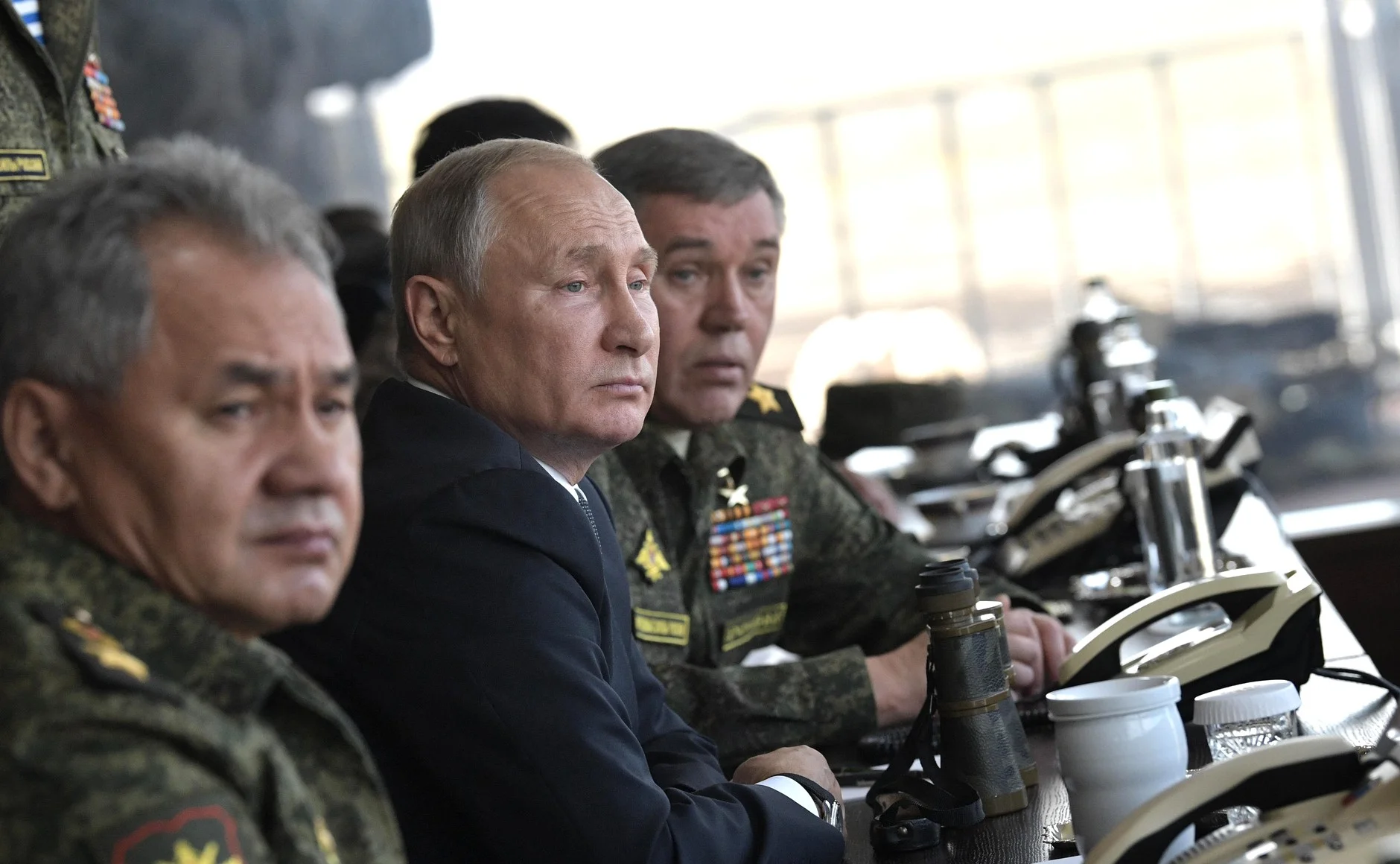
EXCLUSIVE: Military expert warns Moscow is using sabotage, border provocations and threats of war to divide Western allies and force NATO troops out of Eastern Europe as part of a peace deal over Ukraine
Vladimir Putin is plotting to weaken NATO from within by using sabotage, migration crises and military intimidation to divide Western governments and force the alliance to retreat from Eastern Europe, a Latvian military analyst has warned.
Roberts Rasums, an officer in the Latvian National Armed Forces and security analyst at the Northern Europe Policy Center, believes Moscow is deliberately spreading fear and uncertainty across Europe while attempting to link a peace settlement in Ukraine to the withdrawal of NATO forces from the Baltic states, Poland and Finland.
Writing exclusively for The European, he said the Kremlin’s strategy includes suspected sabotage networks recruited through TikTok and Telegram, cyberattacks, border provocations and threats of military confrontation in Estonia, Latvia and the strategically important Suwałki corridor.
Russia could also exploit Europe’s economic difficulties by offering oil and gas in exchange for concessions, while encouraging political divisions over the cost of supporting Ukraine and maintaining NATO troops near its borders.
“Doubt and uncertainty are, therefore, central to this strategy. I believe Russia’s immediate objective is neither NATO’s collapse, Ukraine’s unconditional surrender nor the annexation of the Baltic states,” he wrote.
“Rather, Moscow is seeking to undermine the alliance’s unity while pursuing diplomatic concessions on issues that may appear relatively minor but carry far-reaching strategic consequences.”
He added: “Moscow’s intention is not to have its demands met immediately, but to sow discord among Western allies by prompting debate over them within NATO and the EU.”
His warning comes amid growing concern over suspected Russian sabotage across Europe, including plots involving social media recruits and border provocations linked to migration pressures in Latvia, Lithuania and Poland.
Narva in Estonia, the Suwałki corridor between Poland and Lithuania, and Latgale in eastern Latvia could all become possible flashpoints for a limited confrontation designed to test NATO’s response, he warns.
But Rasums, whose research specialises in hybrid threats, military history and international relations, said Moscow’s most effective weapon could be the prospect of a negotiated peace in Ukraine, with Western governments encouraged to accept reductions in NATO’s eastern military presence as the price of an agreement.
He wrote: “I believe those furthest from the alliance’s eastern flank, particularly those facing significant domestic political challenges, may be more inclined to seek a negotiated settlement with Moscow.”
The Kremlin could also exploit political disagreements during forthcoming European elections, particularly over the financial cost of supporting Ukraine and the possibility of a wider war.
“This is a long-term game in which NATO must marshal all available resources, both on the alliance’s eastern border and in Brussels and Paris,” Rasums added.
READ MORE: How Putin plans to break NATO without going to war. Russia’s greatest threat to NATO may lie far beyond the battlefield. Writing exclusively for The European, Roberts Rasums, a security analyst at the Northern Europe Policy Center and an officer in the Latvian National Armed Forces, argues that Moscow is waging a calculated campaign of sabotage, intimidation and political manipulation to fracture the alliance, undermine European security and force the West into concessions over Ukraine.
Do you have news to share or expertise to contribute? The European welcomes insights from business leaders and sector specialists. Get in touch with our editorial team to find out more.
Main image: Vladimir Putin (centre) with then Russian Defence Minister Sergei Shoigu (left) and Chief of the General Staff Valery Gerasimov during the Vostok 2018 military exercises. A Latvian military analyst has warned that Moscow is seeking to weaken NATO through sabotage, intimidation and political pressure, potentially forcing Western troops out of Eastern Europe without a direct military confrontation. Credit: Kremlin.ru / Wikimedia Commons (CC BY 4.0)
TOP STORIES
-
 Putin 'plotting to break NATO without firing a shot', Latvian military analyst warns
-
British AI chip startup hits £5bn valuation as government backs bid to challenge global tech giants
-
World's biggest military airshow moves to ‘Britain’s Area 51’ after Iran war disruption at RAF Fairford
-
Lisa Nandy threatens crackdown on entertainment industry after David Walliams allegations
-
UK and European experts demand tougher AI laws as Australia considers criminal penalties after OpenAI breach
-
BBC loses bid to throw out Trump's $10bn defamation lawsuit over doctored Panorama speech
-
AI-generated CVs spark hiring crisis as a third of employers lose confidence in job applicants
-
MPs back calls for ‘Black English’ and ‘Asian English’ options on census
-
Nvidia hires top US lawyer to investigate CEO's alleged affair with Chinese spy
-
EXCLUSIVE – Comic Relief confirms David Walliams is no longer an honorary trustee and has ‘no formal association’ with charity
-
Why Airbnb and Uber take off in some cities but flop in others, according to scientists
-
Michael Jackson's Thriller jacket, Princess Diana's dresses and $3m Banksy painting go under the hammer
-
European entrepreneurs trust AI firms more than governments as four-in-10 look beyond Europe
-
Krakow massacre gunman named after hospital death as police officer fights for life
-
British Airways owner warns green fuel rules could ‘kill European aviation’
-
EU to join Ukraine–Russia peace talks as von der Leyen warns of escalating Black Sea attacks
-
Scientists grow world's largest diamond crystal in breakthrough that could stop AI chips overheating
-
China takes on Rolls-Royce with floating £230,000 electric limousine
-
Infront hires Deutsche Börse data expert Jeff Caldwell as AI transforms financial markets
-
US rocket firm plans Scottish launches in bid to revive failed Highland spaceport
-
Job adverts must reveal salaries under new ‘say what you pay’ law
-
Ireland's most wanted jobs for 2027 revealed as employers offer higher salaries to attract talent
-
American firms sign landmark deal to beam solar power from space as Europe faces AI energy crunch
-
Europe’s winners and losers as Democrats seize Congress in crushing blow to Trump
-
Spanish developer CLERHP reports US$410m in Caribbean property sales as profits return