Brits trust AI with their health but not their money

John E. Kaye
- Published
- News, Technology
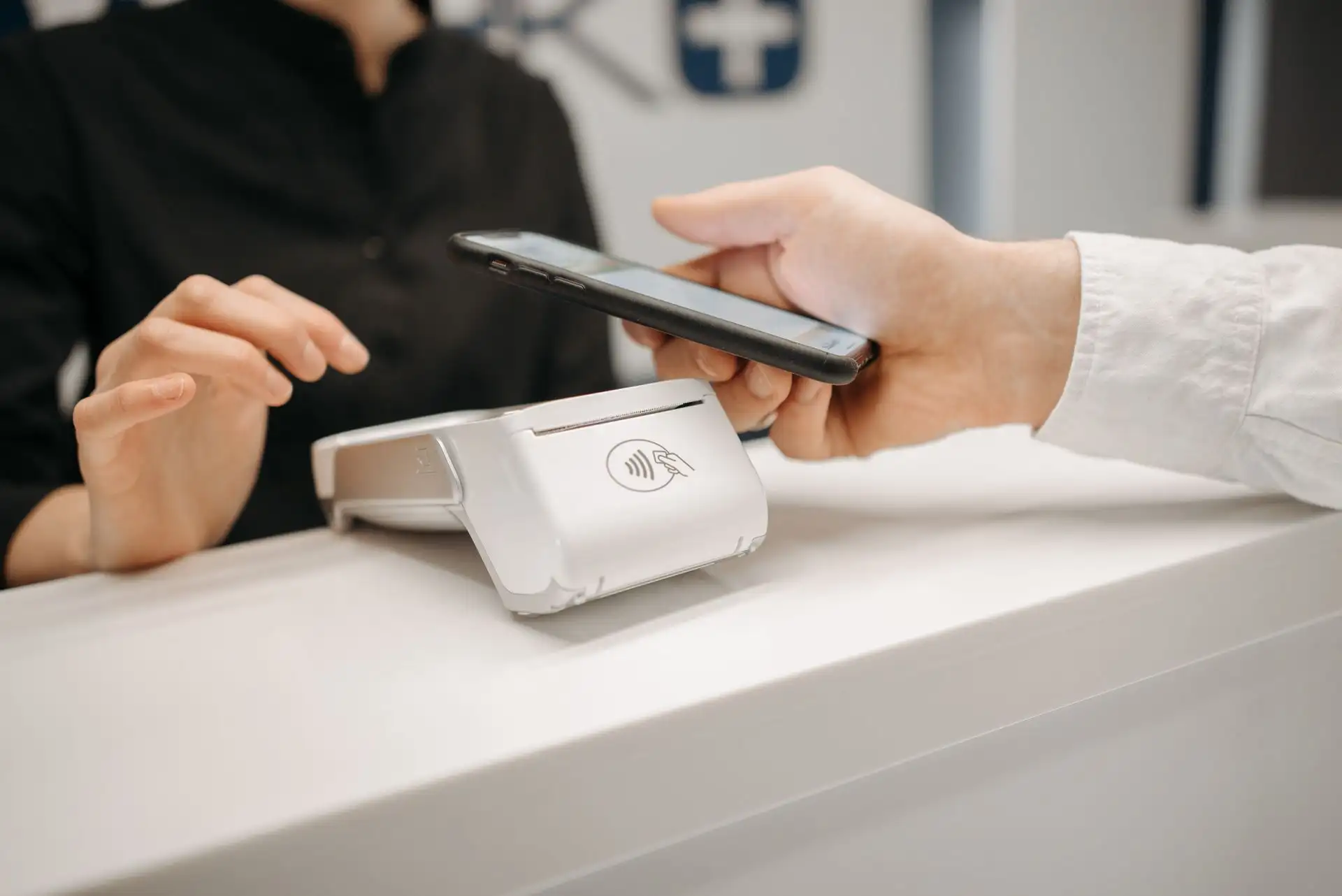
New research reveals that people are happier asking artificial intelligence about medical symptoms and legal problems than letting it handle their payments, with almost half uncomfortable about AI detecting fraud
Brits are more willing to trust artificial intelligence with their health and legal problems than their money, according to a new study.
A survey of 2,000 UK consumers found that 38 per cent would let AI answer a legal question and 37 per cent would seek its help with medical symptoms.
Nearly two-thirds of respondents said they would also trust AI to help with internet searches, 57 per cent with navigation and 56 per cent with recommendations.
But despite AI being in widespread use across the financial sector, just 22 per cent would trust it to make or manage payments.
Nearly half (45 per cent) of consumers would feel uncomfortable about making a payment if they knew AI rather than a human team was handling fraud detection.
Nine-in-10 expressed at least one concern about AI detecting payment fraud, with 51 per cent worried about mistakes, 39 per cent about data privacy and 35 per cent about cybersecurity.
The findings come from Enfuce’s Frictionless Payments. Invisible Trust report, based on interviews conducted in August 2026.
Its chief executive and co-founder Denise Johansson said: “We spent decades making payments invisible, tap, pay, move on. Yet our research shows people are more willing to trust AI with a legal question than with a payment.
“Our industry needs to take that hesitation seriously. Customers should be able to trust that their money is protected, that someone is accountable for it, and that there is somewhere to turn when something goes wrong. Payments can stay invisible. Trust cannot.”
READ MORE: Bank of England governor warns AI poses growing ‘increasingly significant’ threat to financial stability. Andrew Bailey calls for rigorous testing of advanced artificial intelligence before introducing new regulations, warning that ever-powerful systems could expose banks and other critical financial infrastructure to serious cyber threats.
Do you have news to share or expertise to contribute? The European welcomes insights from business leaders and sector specialists. Get in touch with our editorial team to find out more.
Main image: Pavel Danilyuk via Pexels
TOP STORIES
-
 Brits trust AI with their health but not their money
 -
Britain still hungry for Italian food as exports hit €4.56bn despite Brexit
-
Women who earn more than their partners still pay the price at work, landmark study finds
-
Vape expectations go up in smoke as new UK tax sparks fury
-
Robot sales rocket 24% as 250,000 machines snap up jobs in warehouses, hotels and hospitals
-
New-build homeowners should not be left with ‘mud and a fence’, campaigners warn
-
Bank of England governor warns AI poses growing ‘increasingly significant’ threat to financial stability
-
UK economy grows faster than first thought as household incomes bounce back
-
UK unveils ‘Great British Grid’ in bid to cut energy bills
-
British Chambers unite against 'Made in Europe' rules amid fears for UK industry
-
Bouncy castle firms urged to sign new safety pledge following child deaths
-
Remembering Matthew Jukes, The European’s Wine & Fine Drinks Correspondent
-
Michael Dell becomes world's fourth-richest person as Forbes reveals the ten wealthiest billionaires
-
Scientists develop new chemicals to tackle devastating oil spills at sea
-
Closing women's health gap could boost global economy by $1tn a year, leaders say
-
World's first luxury theme park to open in Mexico with £1.1bn of rides, fine entertainment and deliberately limited crowds
-
Dutch court orders Lidl to stop selling Birkenstock sandal lookalikes
-
Giant wind turbine with 252-metre rotor could mean fewer machines and cheaper offshore power
-
Poorly designed workplaces ‘cost UK economy £71bn a year’
-
Rescuers scramble to protect pod of 25 whales in Thames Estuary
-
‘Talent hushing’ blamed as four-in-10 workers say they contribute less than they could
-
Spain leads Europe for expats as Panama tops global poll
-
Menopause may make women leaders more empathetic – even as it leaves them drained
-
Your biggest rival could be your best technology partner, research finds
-
British Museum bans photos of Bayeux Tapestry after visitors hold up queues