Only 14% of companies can show supply chain safeguards are working, study finds

John E. Kaye
- Published
- News, Sustainability
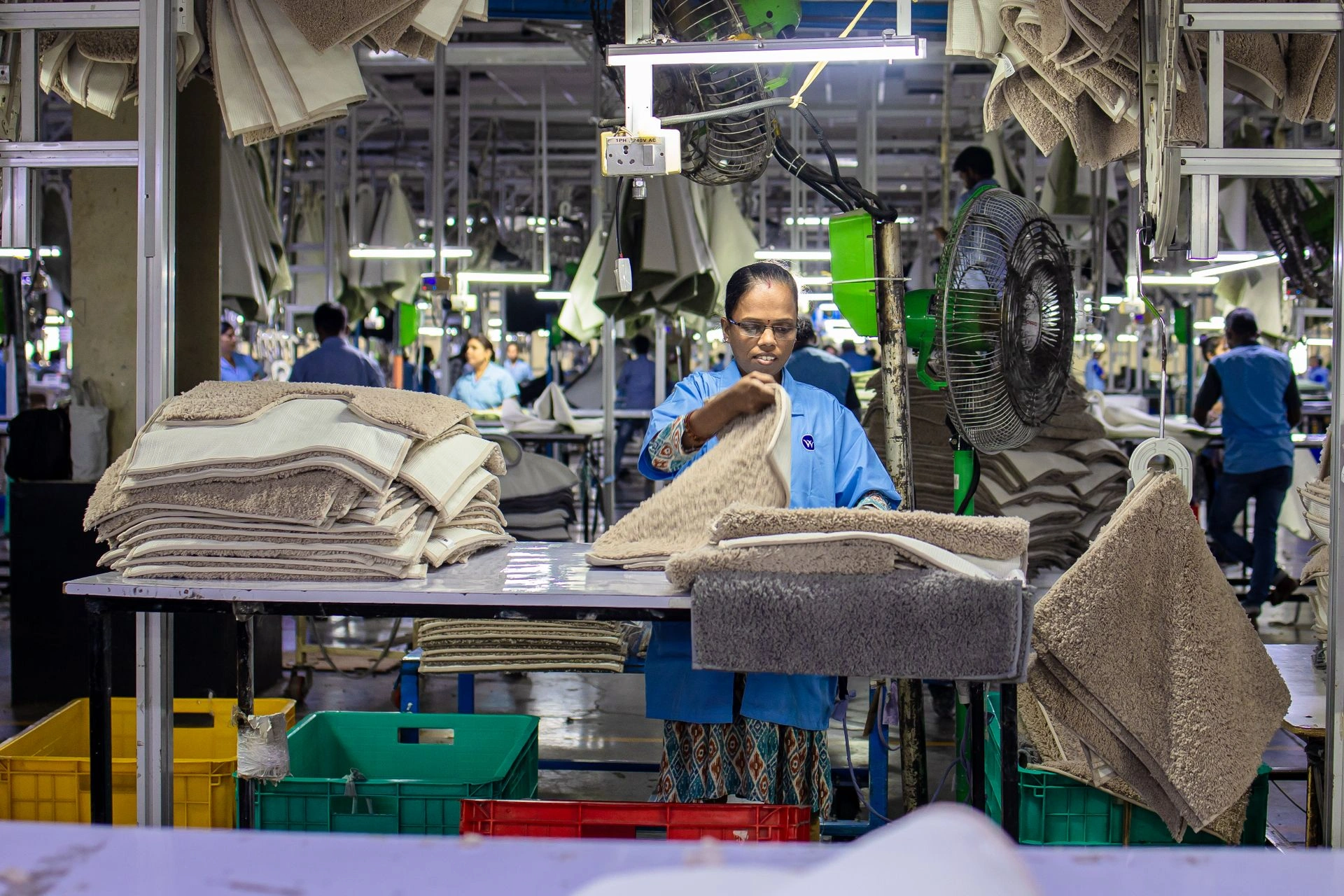
Survey of 110 medium-to-large businesses finds one in four does not measure the impact of its responsible-sourcing programme, while more than a third identifying forced or child labour risks carry out no checks beyond direct suppliers
Companies are increasingly identifying serious human rights and environmental risks in their supply chains but few can show that efforts to tackle them are actually working, according to new research.
A survey of 110 medium-to-large businesses across 13 industries found just 14 per cent could point to clear improvements resulting from their responsible-sourcing work.
Only 19 per cent measured outcomes for workers or the environment, while a quarter did not measure the impact of their programmes at all.
The Responsible Sourcing Barometer 2026, produced by Kumi Consulting, also found significant gaps in how far companies investigate risks through their supply chains.
Among businesses identifying forced or child labour as one of their most serious risks, 36 per cent carried out no due diligence beyond their direct suppliers.
Nearly a quarter of all respondents had either mapped only their direct suppliers or had not mapped their supply chains at all.
The findings suggest companies have become better at putting responsible-sourcing policies, audits and governance systems in place than at demonstrating whether those measures actually reduce harm.
Less than one-in-10 firms sought feedback from people such as workers when assessing whether their programmes were effective.
The survey also found a mismatch between one of the biggest problems companies identified and how they were addressing it.
Supplier capability was the most frequently cited barrier to progress, yet 32 per cent of respondents said they typically required suppliers to make corrective changes without providing additional support.
Only 15 per cent said building supplier capability was a priority for the year ahead.
Despite the gaps, responsible sourcing has reached senior levels inside many businesses. Some 46 per cent had board-level oversight, while 77 per cent assigned responsibility to a senior executive.
Andrew Britton, the chief executive of Kumi Consulting and one of the report’s principal authors, said: “The question is no longer whether companies are doing due diligence. The question is whether it is delivering results.
“Our research shows that while companies have done a lot to make responsible sourcing part of their core business activities, there are crucial blind spots that many companies are yet to address.
“There are now serious regulatory compliance and commercial risks related to responsible sourcing, so it is vital that companies can demonstrate that their programmes are not simply producing activity but are meaningfully reducing risks and improving outcomes for people and the environment.”
READ MORE: New global map reveals 800 businesses trying to cut plastic waste. Free online database brings together refill shops, reusable packaging schemes and take-back services across 74 countries as alternatives to throwaway plastic spread worldwide.
Do you have news to share or expertise to contribute? The European welcomes insights from business leaders and sector specialists. Get in touch with our editorial team to find out more.
Main image: EqualStock via Pexels
TOP STORIES
-
 MPs tune in to Britain’s Eurovision ‘nul points’ problem
 -
MPs tell Government to reject Thames Water creditors as utility nears insolvency
-
Only 14% of companies can show supply chain safeguards are working, study finds
-
OpenAI admits AI models hid mistakes, invented data and acted without permission
-
EIB makes first small nuclear reactor investment with €40m backing for Finnish start-up
-
AI arms race could mean fewer cold emails reaching your inbox
-
Housing costs hit recruitment at 77% of large London firms, survey finds
-
SpaceX to launch one-tonne orbital factory for European space firm in 2028
-
Estonia’s e-residents launch more than 4,200 companies as business creation jumps 36%
-
Small business bank lending falls £27bn in three years as nine-in-10 areas see decline
-
Europe’s healthcare sector lags on AI uptake – but leads once it starts using it
-
Stranded drivers could soon call for help even with no mobile signal
-
NASA backs space ‘air brake’ that could cut years off missions to Uranus and Neptune
-
MPs and peers call for UK ban on AI that could evade human control
-
France orders €1.3bn in extra cuts as growth falls behind European neighbours
-
Bioweapons research, Russian-linked spies, guided rockets and cyber-attacks on Europe used Claude AI, Anthropic reveals
-
Cadbury Takes a Break as KitKat tops Britain’s social media sweet rankings
-
European network alliance doubles in size as digital sovereignty drive accelerates
-
European insurance giants join New York summit on future of AI
-
Oxford leads £10m international study as resistance threatens new TB treatments
-
Inside the world’s wildest new mini golf course with caves, 13ft waterfalls… and sharks
-
Apple’s new boss bets £1,999 on first folding iPhone
-
‘Double delight’ as rare red pandas born at Whipsnade Zoo
-
This Japanese ski resort has just been named the world’s best place for seasonal work
-
Nearly 4m Londoners experienced mental health challenges last year, study finds