Estonia’s e-residents launch more than 4,200 companies as business creation jumps 36%

John E. Kaye
- Published
- Foreign Direct Investment, News
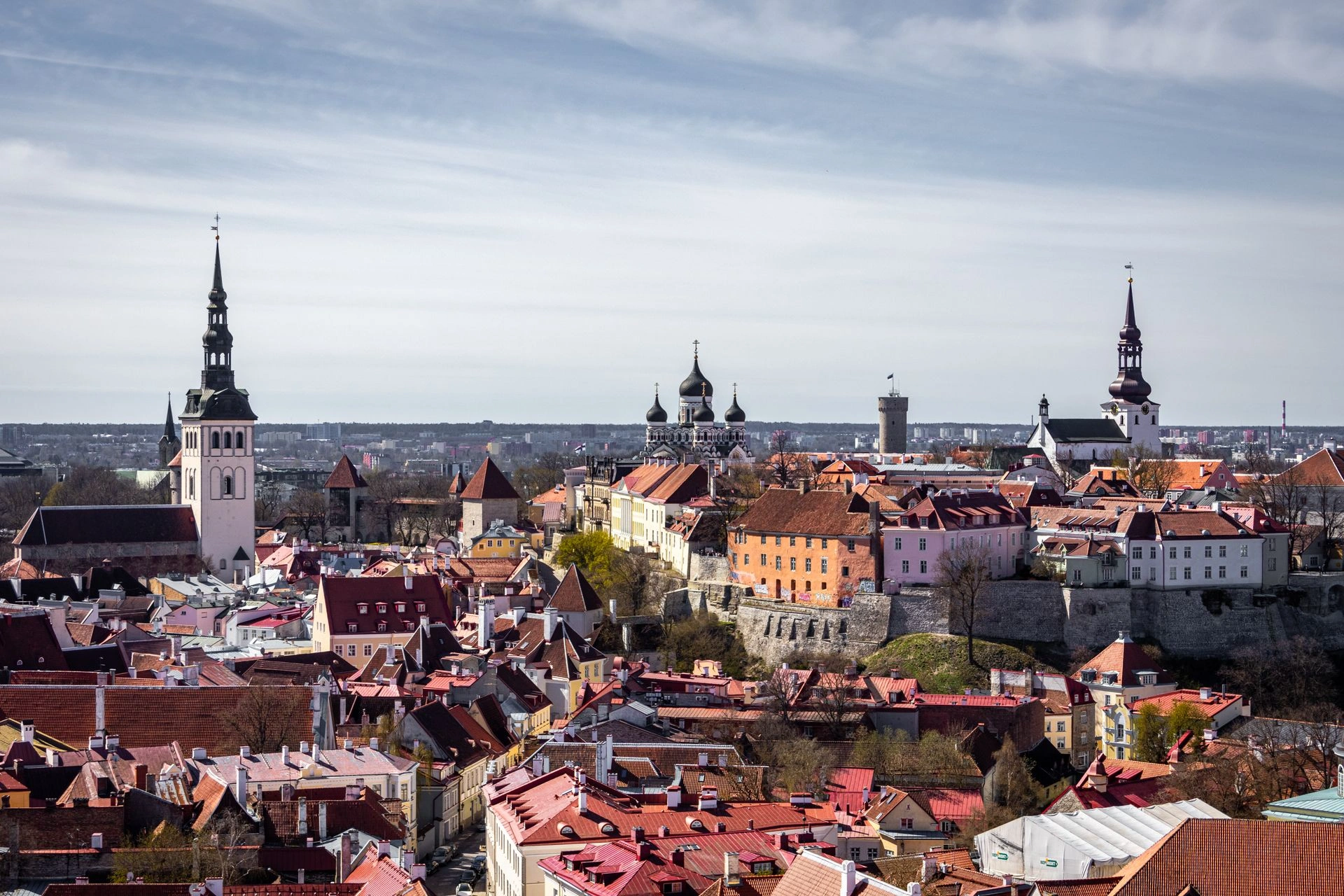
Foreign entrepreneurs using Estonia’s digital residency scheme have created an average of 600 companies a month this year, generating €57.6m in taxes and state fees in the first seven months
Estonia’s e-residents have founded more than 4,200 companies so far this year as the country’s digital business programme continues to attract entrepreneurs from around the world.
Company formation by e-residents is up 36 per cent on the same period in 2025 and 47 per cent on 2024, with an average of around 600 new businesses being created each month.
Estonia has also added 9,000 new e-residents since the beginning of the year. Among people who joined the programme during its first two months, 34 per cent had already gone on to establish a company – the highest proportion recorded by the scheme, new data shows.
The businesses are also becoming an increasingly important source of income for the Estonian state. During the first seven months of 2026, companies associated with e-residents generated €57.6m in direct revenue, including €35.3m in labour taxes, €19.5m in dividend income tax and €2.8m in state fees.
Since the programme was launched in 2014, its direct economic contribution to Estonia has reached €457m.
More than 144,000 people from 187 countries have become Estonian e-residents over the past decade, founding or co-founding more than 43,600 companies. Around one-in-five new Estonian companies is now founded by an e-resident each year.
The programme allows foreigners to obtain a secure digital identity giving them remote access to Estonian public services and the ability to establish and run an EU-based company online without living in the country.
Its expansion is also feeding business into Estonia’s professional-services sector. E-residents spent more than €18m with companies listed on the programme’s official service-provider marketplace in 2025, with turnover from servicing them rising 17 per cent year on year.
The government says the effect extends beyond company registration, creating demand for accounting, tax, legal and other business services.
Erkki Keldo, Estonia’s Economic Affairs and Industry Minister, said: “e-Residency allows entrepreneurs from around the world to choose Estonia as their home for business and brings companies and income to our economy that would otherwise go elsewhere.
“Alongside this, the demand for Estonian accounting, tax, legal and other business services is growing, giving our companies new clients and the opportunity to grow in the global market.”
READ MORE: They came to Malta as nomads. Then stayed on as founders. For a some startup minded digital nomads and entrepreneurs of nomads, Malta is emerging as more than a temporary destination for remote work. It becomes a place where professionals can build with greater stability, connect with likeminded innovators, enjoy Island life, and put down longer-term roots.
Do you have news to share or expertise to contribute? The European welcomes insights from business leaders and sector specialists. Get in touch with our editorial team to find out more.
Main image: Vish Pix via Pexels
TOP STORIES
-
 Estonia’s e-residents launch more than 4,200 companies as business creation jumps 36%
 -
Small business bank lending falls £27bn in three years as nine-in-10 areas see decline
-
Europe’s healthcare sector lags on AI uptake – but leads once it starts using it
-
Stranded drivers could soon call for help even with no mobile signal
-
NASA backs space ‘air brake’ that could cut years off missions to Uranus and Neptune
-
MPs and peers call for UK ban on AI that could evade human control
-
France orders €1.3bn in extra cuts as growth falls behind European neighbours
-
Bioweapons research, Russian-linked spies, guided rockets and cyber-attacks on Europe used Claude AI, Anthropic reveals
-
Cadbury Takes a Break as KitKat tops Britain’s social media sweet rankings
-
European network alliance doubles in size as digital sovereignty drive accelerates
-
European insurance giants join New York summit on future of AI
-
Oxford leads £10m international study as resistance threatens new TB treatments
-
Inside the world’s wildest new mini golf course with caves, 13ft waterfalls… and sharks
-
Apple’s new boss bets £1,999 on first folding iPhone
-
‘Double delight’ as rare red pandas born at Whipsnade Zoo
-
This Japanese ski resort has just been named the world’s best place for seasonal work
-
Nearly 4m Londoners experienced mental health challenges last year, study finds
-
Card fraud accounts for more than one-in-three UK identity fraud cases
-
Breast cancer campaigners target Burnham at PMQs over £20m research fund
-
Europe leads world in quantum research despite deep industry scepticism
-
Australia plans social media algorithm ‘off switch’ in move Europe could follow
-
European central banks move gold out of U.S as 'geopolitical risks' mount
-
Volkswagen plans another 50,000 job cuts in sweeping overhaul
-
Uber launches UK’s first autonomous ride-hailing service in London
-
Hackers could plunge Britain into darkness in less than two minutes, report warns