Why the delay on spot-on flea and tick treatments?
- Published
- Letters to the Editor
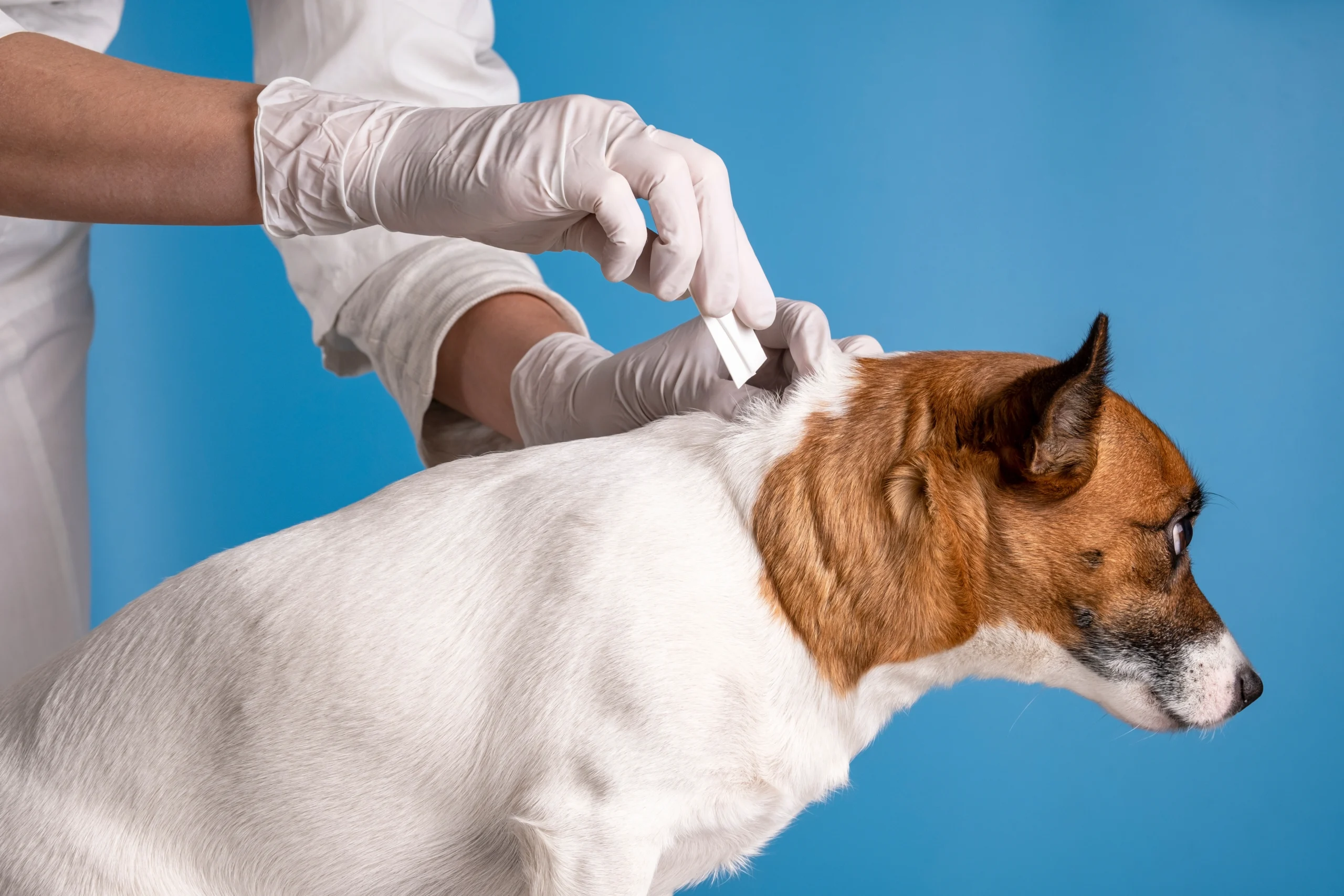
After The European highlighted growing concern over the environmental impact of routine pet treatments, reader Jeff Gill calls on ministers and regulators to move beyond review and act more decisively
Sir,
Re: Fipronil: the silent killer in our waterways | February 12 2026
When it comes to procrastination, the Department for Environment, Food & Rural Affairs has had years to confront the pollution caused by pet medicines and still has not acted with anything like the urgency the problem demands. This matters if you are a mayfly nymph – and it matters just as much to the wider ecosystems that depend on aquatic invertebrates, from fish to songbirds.
There are more than 300 spot-on pet medicines on the market for killing fleas and ticks, many containing fipronil and the neonicotinoid imidacloprid. These are extraordinarily toxic chemicals which continue to be sold off the shelf and online without meaningful restriction, despite mounting concern over their impact on rivers and the wider environment, and despite the availability of alternatives.
These substances are being found in rivers at levels far above predicted no-effect concentrations. Fipronil and its metabolites are persistent in sediment, and there is concern about their wider movement through aquatic ecosystems. Otters, fish and the insect life on which whole food chains depend are all exposed to the consequences of this pollution.
Back to procrastination. Government and regulators have known about this problem since 2018, yet there has still been no decisive action to reduce the levels of these pesticides entering rivers. Meanwhile, the Veterinary Medicines Directorate – whose role includes protecting animal health, public health and the environment – continues to authorise further spot-on products for unrestricted sale in supermarkets and online. That sits uneasily with the One Health principle and with the precautionary and prevention duties set out in the Environment Act 2021.
DEFRA and the VMD have acknowledged concern. There have been discussions, reviews, roadmaps, consultations and workshops. What there has not been is the timely, robust intervention needed to stop this pollution at source. For all the language of balance and stewardship, the products remain widely available and routinely used.
One obvious step would be to make these products prescription-only. That would help move parasite control towards a more risk-based approach, rather than blanket routine treatment. It would also reduce unnecessary use, which would be better for pets, for owners and for the environment. The case for tighter control is no longer a marginal one. It is supported by a growing body of scientific and veterinary concern.
If Government intends to take chemical pollution seriously, it should require environmental quality standards for these pesticides without further delay, so that rivers can be properly assessed and enforcement can follow where standards are breached.
So what explains the lack of progress? That is now a legitimate public question. Why, after years of evidence and repeated warning, are these chemicals still subject to so little practical control? Why does the response remain so slow when the environmental consequences are becoming harder to ignore?
Part of the problem is transparency. Products are authorised by the VMD on the basis that their benefit-risk balance is considered favourable. The marketing authorisation holders provide the underlying data, studies and supporting analysis. That may be the structure of the present system, but it makes scrutiny all the more important. Freedom of information requests for benefit-risk analyses and related annual reports have been refused on commercial-interest grounds. That leaves the public with limited visibility into the assumptions and judgments underpinning decisions that affect waterways, wildlife and household exposure.
The same applies to user safety. User risk assessments form part of the authorisation process and are used to shape safety measures, yet requests for access to these too have reportedly been refused on commercial grounds. At the very least, that should prompt questions about whether the present level of openness is good enough for products used so routinely in family homes, often month after month.
There are also questions about priorities. The VMD’s income from veterinary medicine authorisations rose sharply between 2024 and 2025. That fact alone proves nothing about how decisions are made, but it does underline the need for transparency, rigorous oversight and public confidence in the independence of the regulatory process.
Government now needs to focus on the real meaning of One Health – keeping animal, human and environmental wellbeing in proper balance. That means less delay, less process for its own sake, and far more willingness to act. Rivers cannot be protected by roadmaps alone.
Yours faithfully,
Jeff Gill
Main image: Shutterstock
Sign up to The European Newsletter
TOP STORIES
-
 Russia takes control of more European corporate assets amid Ukraine tensions
 -
EU leaders resist calls to delay carbon rules as energy costs soar
-
‘A big step forward’ – PM Andy Burnham hails plans for Great British Railways HQ in Derby
-
UK economy grows just 0.1 per cent as construction falls and services stall
-
Germany risks losing €155bn a year under tighter AI data rules, new study warns
-
Pope Leo XIV diagnosed with lung cancer after surgery in Rome
-
France faces freezer meltdown as hackers strike supermarket chains
-
Bumble shares soar 50% amid $1bn takeover talks
-
China slump drives Volkswagen to sharpest quarterly fall in more than four years
-
Hollywood mega-powerhouse created as Paramount completes Warner Bros Discovery takeover
-
Gamers face gridlock as latest Grand Theft Auto download 'nears two days'
-
Samsung profits soar ninefold to record £61bn amid AI chip boom
-
New Springer books put the UN’s struggling sustainability goals to the real-world test
-
Europe’s solar boom set for two-year slowdown after record growth
-
Let it pea. Musicians turn vegetables into instruments at Beatles' Abbey Road studios
-
Golden naked Trump statue unveiled at European Parliament
-
Jaguar puts controversial rebrand on the road with £130K 1,030PS Type 01
-
Deepfakes and identity fraud drive new wave of post-hire background checks
-
Spain crowned Europe’s top retirement destination
-
More than half of UK professionals report workplace burnout
-
More than 1.2m English drivers may have eyesight too poor for the road, study finds
-
David Reuben, Britain’s second richest person, leaves London for Monaco
-
UK prisoner release plan faces a major lag as tougher rules risk sending inmates back to jail
-
Brits trust AI with their health but not their money
-
Britain still hungry for Italian food as exports hit €4.56bn despite Brexit