Unclear AI rules risk driving talent away from UK employers, survey suggests

John E. Kaye
- Published
- News, Technology
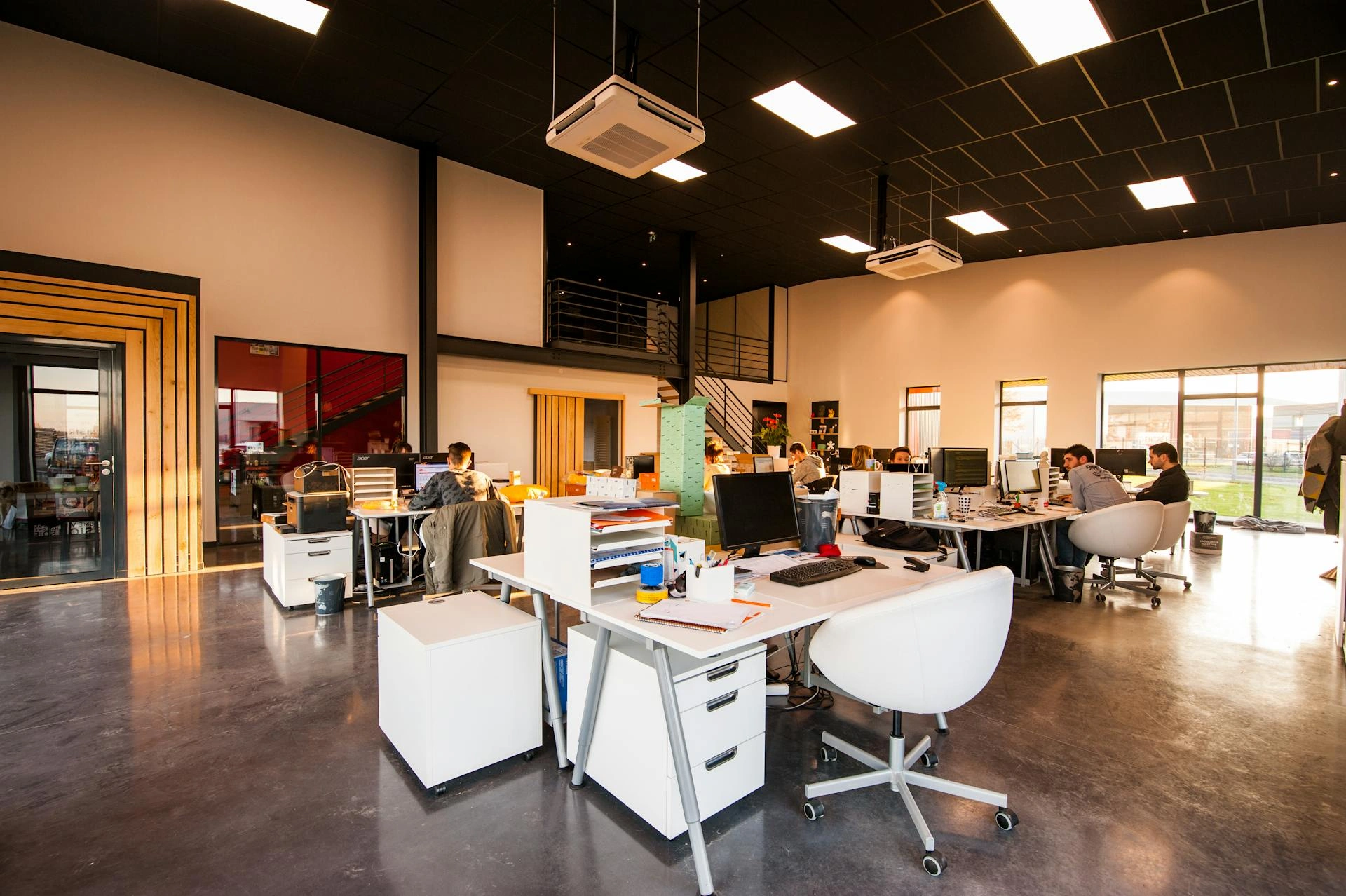
More than half of desk-based workers say they do not have clear, enabling guidance on how to use AI at work, with many saying an employer’s approach to the technology would influence whether they take a job
A lack of clear workplace rules on artificial intelligence could be costing UK businesses talent, according to new research that suggests many employees are either working in a policy vacuum or turning to unapproved tools without oversight.
A survey by software firm Red Eagle Tech found that just over half (54.5 per cent) of full-time UK desk workers do not have a clear, enabling policy from their employer on how to use AI tools at work.
Within that group, 41 per cent said AI had either never been mentioned by their employer or was governed only through informal conversations rather than written policy.
The findings point to a workplace issue extending beyond technology adoption alone. According to the survey, more than a third (66.5 per cent) of respondents said a prospective employer’s approach to AI tools would influence whether they accepted a job offer.
More than a quarter (25.5 per cent), said it would be a major factor, with some actively favouring employers that provide approved tools and avoiding those that restrict them.
The survey also suggests that uncertainty is driving the use of “shadow AI”, with employees using consumer AI tools for work without their employer’s knowledge or approval. Almost a third of respondents (32 per cent), said they had used such tools for work tasks without their employer’s knowledge.
Red Eagle Tech said that number changed little even where employers had imposed outright bans. Among workers whose employers had issued a strict ban, 33.3 per cent still said they used consumer AI tools for work tasks.
Even where employers had a clear, enabling AI policy in place, exactly a third (33 per cent) said they still resorted to unapproved consumer tools, the survey of 200 full-time workers found.
The company argues that silence from employers is producing a split workforce. Some staff use unapproved tools to save time, while others avoid AI altogether because no formal permission has been given.
The result, it says, is that compliant employees can lose out on productivity gains while risk-takers continue without oversight.
Employers should publish clear AI policies, ask staff where they believe AI could improve work, and invest in tools that integrate with existing systems, according to the company.
Kat Korson of Red Eagle Tech, said: “The great irony here is that doing nothing isn’t playing it safe. When you leave a policy vacuum, your risk-takers just use AI behind your back anyway, while your most careful, quality-conscious team members miss out on hours of productivity gains.
“On top of that, your best talent is actively looking for employers who have this sorted. It’s time to give them the right tools and clear permission.”
READ MORE: ‘AI boom leaves many workers without the data skills employers now need‘. AI may be spreading rapidly through offices, but many employees still lack the data skills needed to question outputs, interpret results and use the technology properly, according to new industry research.
Do you have news to share or expertise to contribute? The European welcomes insights from business leaders and sector specialists. Get in touch with our editorial team to find out more.
Main image: CadoMaestro/Pexels
TOP STORIES
-
 Bioweapons research, Russian-linked spies, guided rockets and cyber-attacks on Europe used Claude AI, Anthropic reveals
 -
Cadbury Takes a Break as KitKat tops Britain’s social media sweet rankings
-
European network alliance doubles in size as digital sovereignty drive accelerates
-
European insurance giants join New York summit on future of AI
-
Oxford leads £10m international study as resistance threatens new TB treatments
-
Inside the world’s wildest new mini golf course with caves, 13ft waterfalls… and sharks
-
Apple’s new boss bets £1,999 on first folding iPhone
-
‘Double delight’ as rare red pandas born at Whipsnade Zoo
-
This Japanese ski resort has just been named the world’s best place for seasonal work
-
Nearly 4m Londoners experienced mental health challenges last year, study finds
-
Card fraud accounts for more than one-in-three UK identity fraud cases
-
Breast cancer campaigners target Burnham at PMQs over £20m research fund
-
Europe leads world in quantum research despite deep industry scepticism
-
Australia plans social media algorithm ‘off switch’ in move Europe could follow
-
European central banks move gold out of U.S as 'geopolitical risks' mount
-
Volkswagen plans another 50,000 job cuts in sweeping overhaul
-
Uber launches UK’s first autonomous ride-hailing service in London
-
Hackers could plunge Britain into darkness in less than two minutes, report warns
-
BP appoints Ian Tyler chairman after Albert Manifold ousting
-
Del Boy’s bent cop nemesis inspired David Jason to become a TV detective
-
Products made in space move closer to commercial reality
-
Snickers creates ‘world’s first digital chocolate bar’ for misbehaving AI
-
Europe adds enough new wind power for 7m homes as record year beckons
-
Scotland’s £19bn food and drink industry faces ‘cliff edge’ as costs squeeze businesses
-
Lidl owner plans €5.6bn data centre as Germany pushes digital independence