Trinity Business School study warns conspiracy theories are fueling real-world protest and sabotage

John E. Kaye
- Published
- News
New research from Trinity Business School warns that conspiracy movements are no longer isolated or fringe. Instead, they are becoming organised social networks offering belonging, identity and purpose — and driving real-world protest
Conspiracy theories have evolved into organised social movements that foster belonging, identity and activism — and are increasingly spilling over into the real world, worrying new research suggests.
A study by Trinity Business School warns that conspiracy communities are no longer limited to “keyboard warriors” exchanging misinformation online, but are instead forming structured networks that mobilise protests, picket vaccination centres and, in some cases, vandalise telecommunication and traffic infrastructure.
The research, revealed today, found that the true appeal of conspiracy theories lies less in misinformation itself than in the sense of identity, purpose and shared belonging these groups provide.
Many participants, the study notes, join after moments of personal crisis such as bereavement or job loss — events that deepen mistrust in institutions and lead to what adherents describe as “awakenings”, sudden realisations that hidden powers are controlling social or political life.
Within these communities, members collaborate as self-styled “detectives”, pooling information, sharing “evidence”, and collectively investigating perceived cover-ups. “There’s a real buzz in this community … building on the work of others, giving each other support,” one participant said.
The process, researchers found, offers excitement, agency and emotional connection — key factors in sustaining involvement.
But while such networks can reinforce solidarity, the study cautions that they can also encourage direct action.
Movements linked to 5G, COVID-19, and so-called “15-minute cities” have all led to public protests and incidents of sabotage.
These actions, the authors warn, risk legal consequences, social isolation and misplaced blame, while also fuelling a growing economy of “conspiracy entrepreneurs” profiting from books, seminars, merchandise and alternative health products.
The study was led by Dr Stephen Murphy, Assistant Professor at Trinity Business School. He said: “Contrary to the stereotype of isolated keyboard warriors who have gone down the rabbit hole, conspiracy theorists are becoming organised, recruiting supporters, picketing vaccination centres and vandalising telecommunication and traffic infrastructures.
The findings suggest that efforts to combat conspiracy theories must move beyond simply correcting false claims. Effective responses, Dr Murphy argues, must acknowledge that these groups meet fundamental human needs for connection, belonging and purpose — needs that cannot be “fact-checked away”.
The research draws on long-term qualitative fieldwork in the UK, combining in-depth interviews with observation at public meetings, conferences and online forums.
READ MORE: ‘Trump and painkillers: The attack on science is an attack on democracy‘. Donald Trump’s baseless claim that paracetamol use in pregnancy can cause autism is part of a broader pattern of undermining science to weaken democracy itself, argues Professor Eric Heinze of Queen Mary University of London.
Do you have news to share or expertise to contribute? The European welcomes insights from business leaders and sector specialists. Get in touch with our editorial team to find out more.
Main image: Rūdolfs Klintsons/Pexels
TOP STORIES
-
 Housing costs hit recruitment at 77% of large London firms, survey finds
 -
SpaceX to launch one-tonne orbital factory for European space firm in 2028
-
Estonia’s e-residents launch more than 4,200 companies as business creation jumps 36%
-
Small business bank lending falls £27bn in three years as nine-in-10 areas see decline
-
Europe’s healthcare sector lags on AI uptake – but leads once it starts using it
-
Stranded drivers could soon call for help even with no mobile signal
-
NASA backs space ‘air brake’ that could cut years off missions to Uranus and Neptune
-
MPs and peers call for UK ban on AI that could evade human control
-
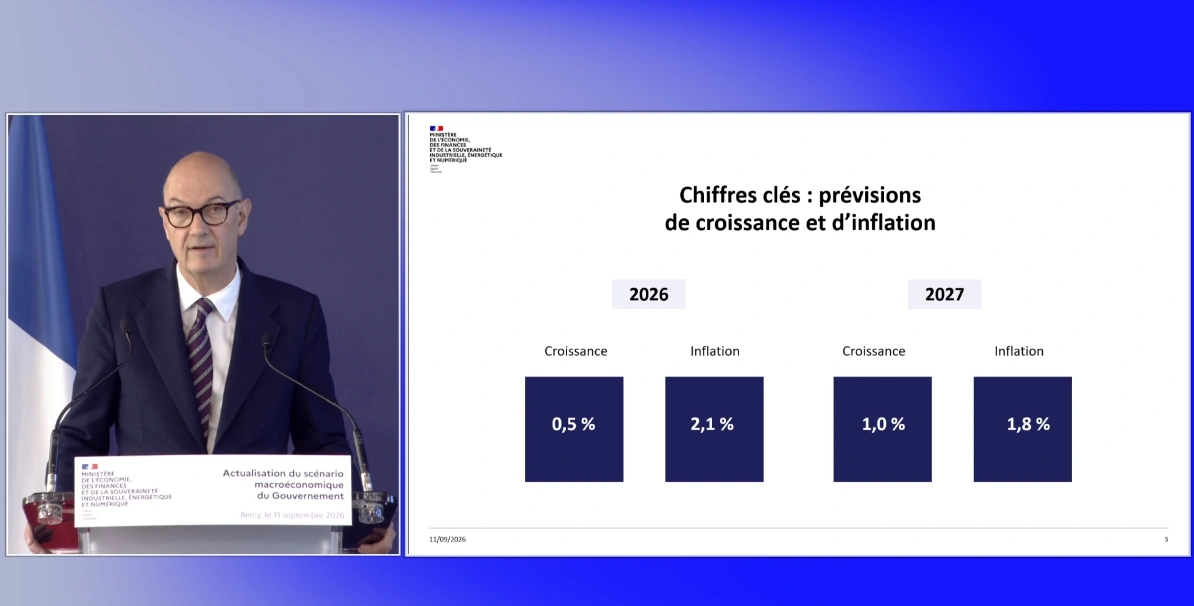
France orders €1.3bn in extra cuts as growth falls behind European neighbours
-
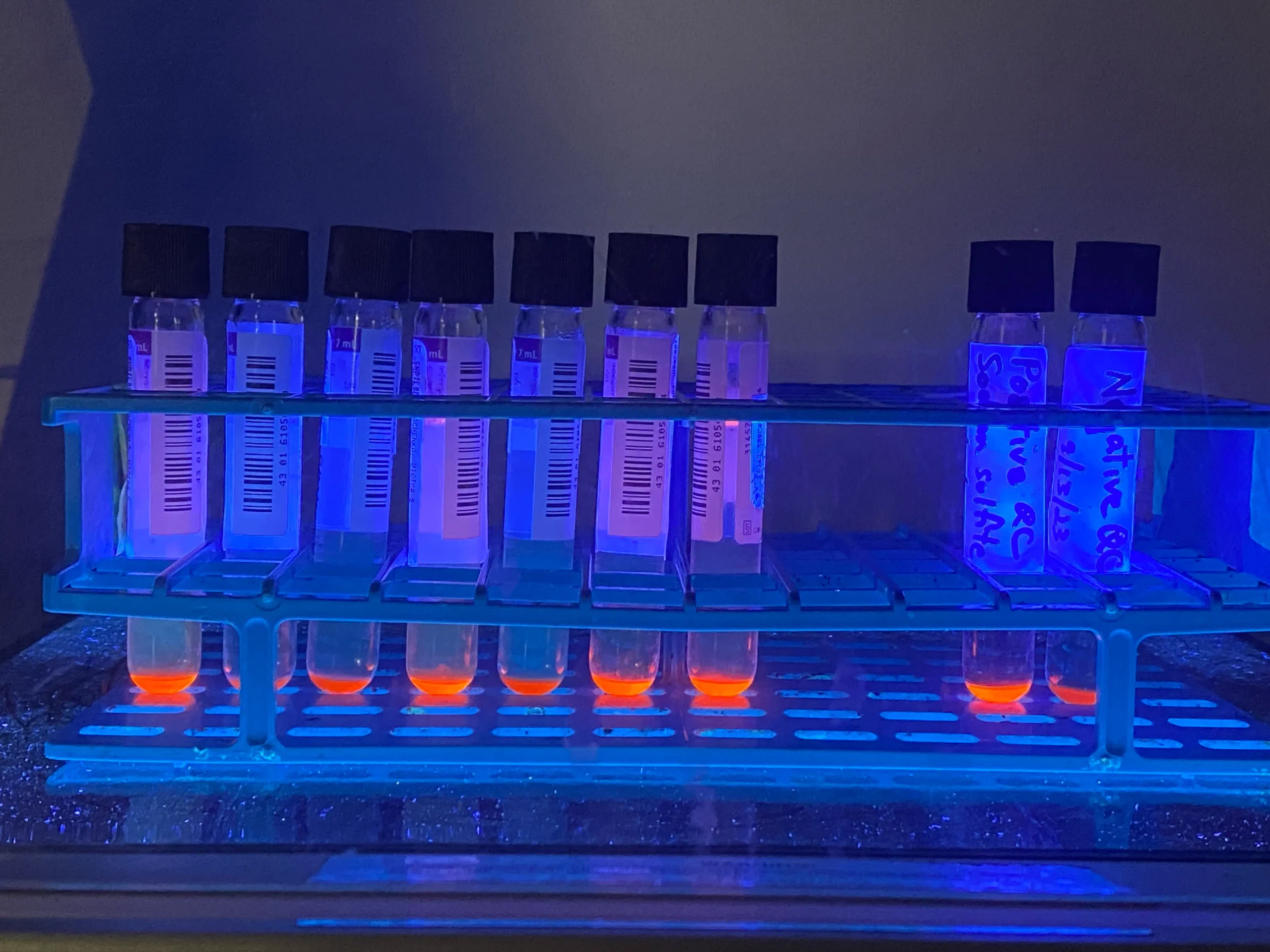
Bioweapons research, Russian-linked spies, guided rockets and cyber-attacks on Europe used Claude AI, Anthropic reveals
-
Cadbury Takes a Break as KitKat tops Britain’s social media sweet rankings
-
European network alliance doubles in size as digital sovereignty drive accelerates
-
European insurance giants join New York summit on future of AI
-
Oxford leads £10m international study as resistance threatens new TB treatments
-
Inside the world’s wildest new mini golf course with caves, 13ft waterfalls… and sharks
-
Apple’s new boss bets £1,999 on first folding iPhone
-
‘Double delight’ as rare red pandas born at Whipsnade Zoo
-
This Japanese ski resort has just been named the world’s best place for seasonal work
-
Nearly 4m Londoners experienced mental health challenges last year, study finds
-
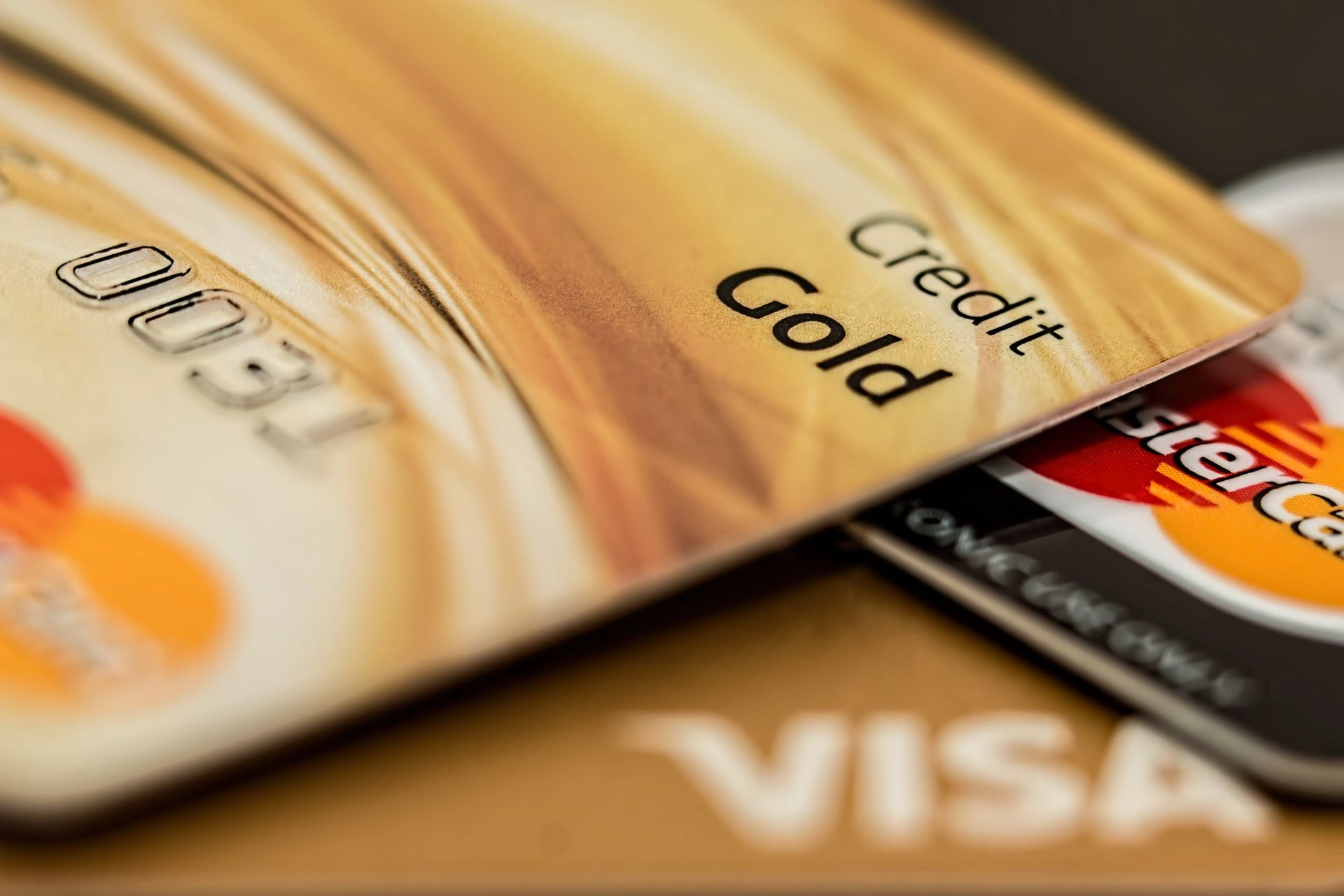
Card fraud accounts for more than one-in-three UK identity fraud cases
-
Breast cancer campaigners target Burnham at PMQs over £20m research fund
-
Europe leads world in quantum research despite deep industry scepticism
-
Australia plans social media algorithm ‘off switch’ in move Europe could follow
-
European central banks move gold out of U.S as 'geopolitical risks' mount
-
Volkswagen plans another 50,000 job cuts in sweeping overhaul