
Tokamak Energy and Ukaea to collaborate on developing spherical Tokamak Technology for commercial fusion energy

John E. Kaye
- Published
- Home, Technology
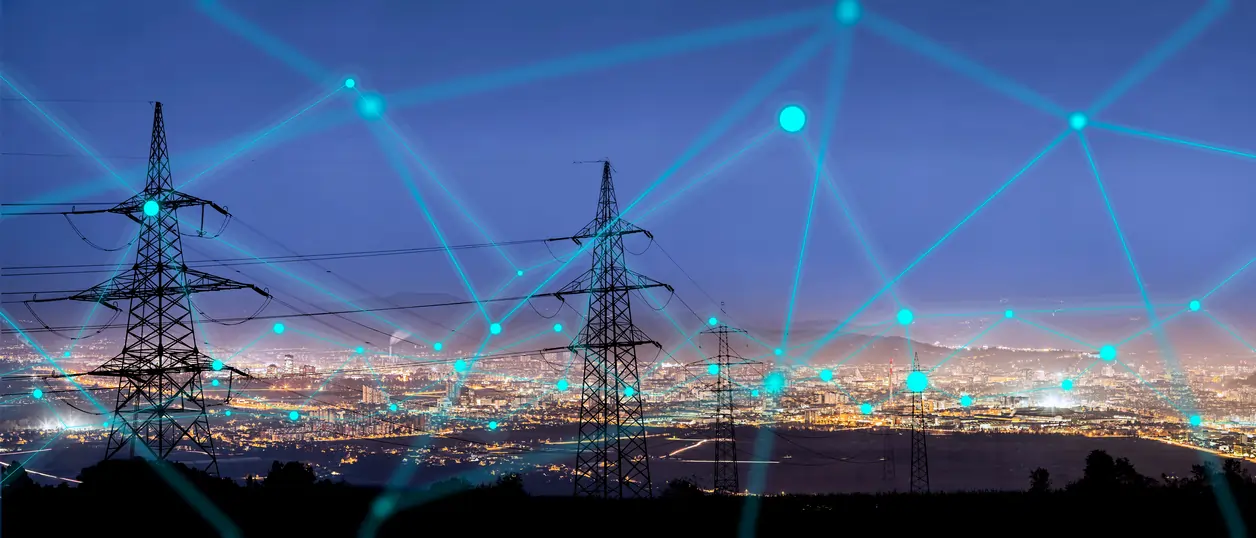
Tokamak Energy and UK Atomic Energy Authority (UKAEA) have signed a framework agreement to enable closer collaboration on developing spherical tokamaks as a route to commercial fusion energy.
The five-year agreement will take the form of joint technology development, shared utilisation of equipment and facilities and associated secondment of staff between the two organisations. The collaboration will focus on areas including materials development and testing, power generation, fuel cycle, diagnostics and remote handling.
Chris Kelsall, CEO of Tokamak Energy, said: “We are in a race against time to phase out the world’s reliance on fossil fuels and aim to deliver fusion as a clean, sustainable, low cost and globally available energy source. Tokamak Energy and UKAEA jointly recognise the importance of collaboration to accelerate the delivery of commercial fusion. We welcome the opportunity to progress knowledge, skill sharing and joint development opportunities with UKAEA, further boosting the UK’s world-leading fusion cluster.”
Professor Ian Chapman, UKAEA CEO, said: “Fusion has great potential to deliver almost limitless clean energy for future generations. This new agreement with Tokamak Energy will benefit both organisations and help advance our collective ambitions because together we are stronger. Fusion presents an exciting opportunity for the UK and we’re proud our ground-breaking work here continues to drive innovation and progress as part of a thriving cluster.”
Both organisations have operational spherical tokamak devices, with Tokamak Energy’s ST40 recently achieving a plasma temperature of 100 million degrees Celsius, the threshold required for commercial fusion energy.
Tokamak Energy will soon be unveiling its next device, which will be the world’s first high-field spherical tokamak to demonstrate the full potential of high-temperature superconducting (HTS) magnets, due to be commissioned in the mid-2020s. It will also demonstrate multiple advanced technologies required for fusion energy and inform the design of the company’s first commercial fusion power pilot plant, which will demonstrate the capability to deliver net electricity to the grid.
UKAEA’s MAST Upgrade experiment has helped pave the way for the development of its ambitious STEP (Spherical Tokamak for Energy Production) programme, which aims to design and build a prototype fusion powerplant capable of producing net electricity.
The STEP prototype powerplant will be designed and constructed at West Burton, Nottinghamshire, to demonstrate the ability to put net electricity on the grid, enabling future commercial fusion energy plants to be commissioned and constructed.
About Tokamak Energy
Tokamak Energy is a leading global commercial fusion energy company based near Oxford, UK and is pursuing commercial fusion through the combined development of spherical tokamaks, with high-temperature superconducting (HTS) magnets.
The company, founded in 2009 as a spin-off from the Culham Centre for Fusion Energy, currently employs a growing team of over 200 people with talent from the UK and experts from around the world. It combines world-leading scientific, engineering, industrial and commercial capabilities. The company has more than 67 families of patent applications and has raised $250 million, comprising $200m from private investors and $50m from the UK and US governments. Once realised, fusion energy will be clean, low cost and globally deployable – a key enabler for meeting world energy requirements and climate policy goals.
More information: www.tokamakenergy.co.uk
TOP STORIES
-
 The new metrics reshaping how companies measure growth
 -
Europe leads world in quantum research despite deep industry scepticism
-
Australia plans social media algorithm ‘off switch’ in move Europe could follow
-
Uber launches UK’s first autonomous ride-hailing service in London
-
Products made in space move closer to commercial reality
-
Snickers creates ‘world’s first digital chocolate bar’ for misbehaving AI
-
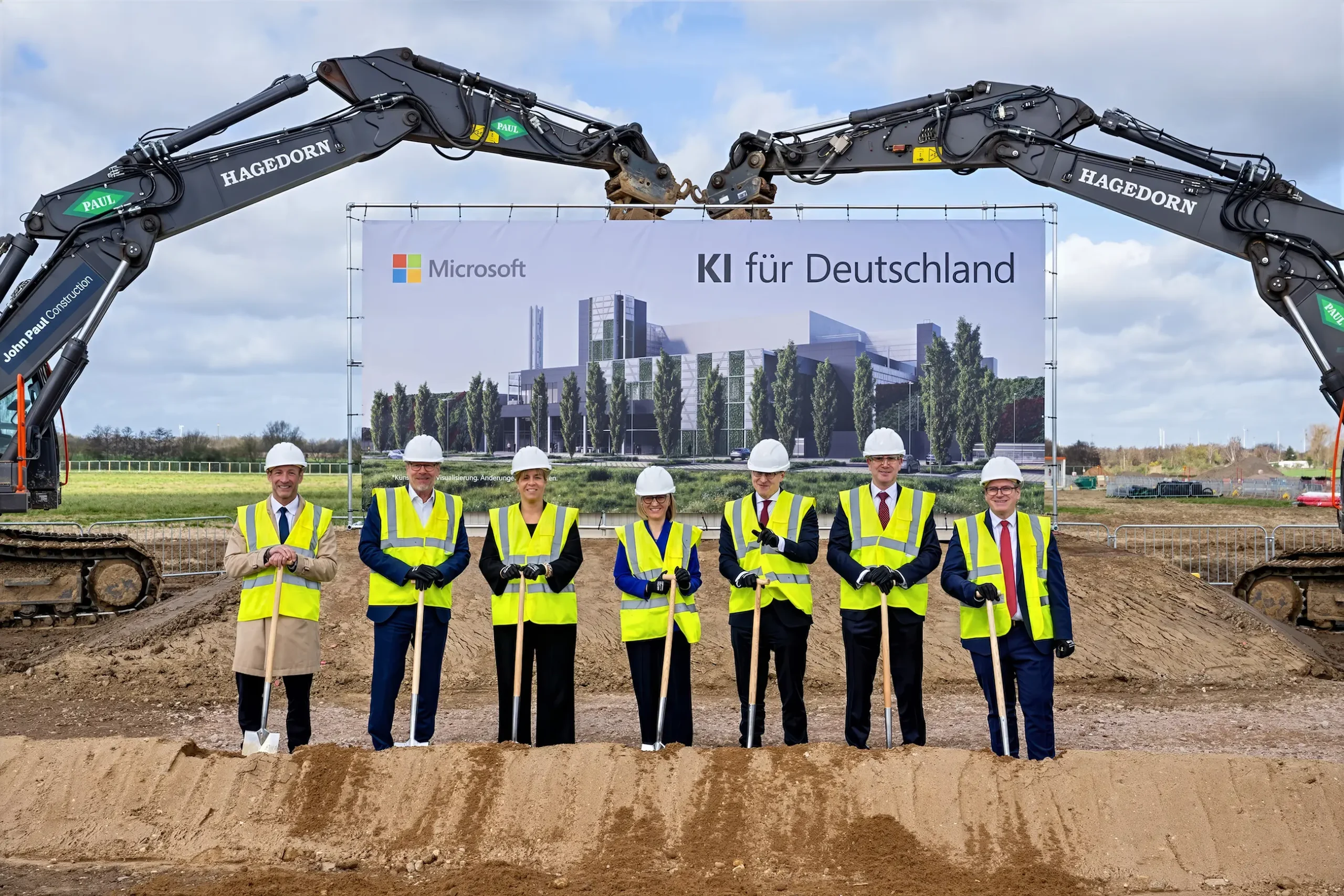
Lidl owner plans €5.6bn data centre as Germany pushes digital independence
-
AI could make it easier for citizens to have their say, study finds
-
Hidden workplace chemical risks come under spotlight as experts turn to skin exposure
-
Robot beats Usain Bolt’s 100m record at Beijing games
-
Robots that work, play and even tackle the laundry go on show in Beijing
-
Israeli genomics firm opens easier route to AI system for NHS labs
-
Healthcare AI plans hampered by spreadsheets and legacy systems
-
How AI trading bots are reshaping retail currency trading in Europe
-
AI ‘kill switch’ launched to stop rogue agents in seconds
-
Governments need private-sector firepower to fight the next cyber war
-
Why phishing is about to get much harder to stop
-
Germany’s former coal heartland makes pitch as Europe’s next AI hub
-
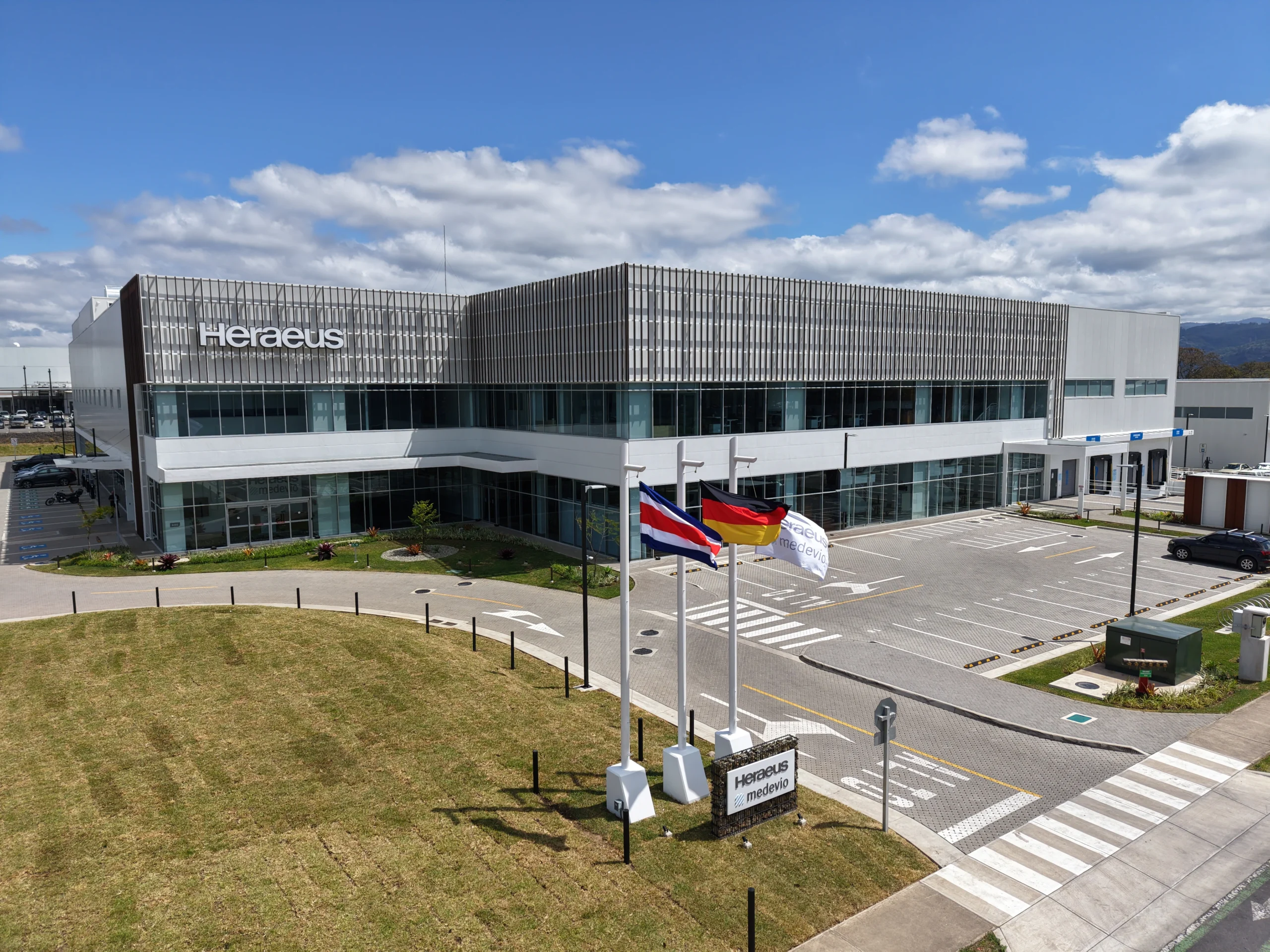
Costa Rica’s MedTech firms now run services, not just factories
-
The end of IOC fatigue: why CISOs need to think in campaigns, not emails
-
AI ‘could leave us busier than ever’, Oxford professor warns
-
The five pillars shaping technology-led entertainment platforms
-
Ulugbek Mirzamukhamedov on how AI could power the 21st-century economy
-
Burnham told to tackle Britain’s cyber weak spots on day one
-
Doctors using AI before health systems set the rules












Tokamak Energy and Ukaea to collaborate on developing spherical Tokamak Technology for commercial fusion energy
John E. Kaye
- Published
- Home, Technology
TOP STORIES
-
The new metrics reshaping how companies measure growth
-
Europe leads world in quantum research despite deep industry scepticism
-
Australia plans social media algorithm ‘off switch’ in move Europe could follow
-
Uber launches UK’s first autonomous ride-hailing service in London
-
Products made in space move closer to commercial reality
-
Snickers creates ‘world’s first digital chocolate bar’ for misbehaving AI
-
Lidl owner plans €5.6bn data centre as Germany pushes digital independence
-
AI could make it easier for citizens to have their say, study finds
-
Hidden workplace chemical risks come under spotlight as experts turn to skin exposure
-
Robot beats Usain Bolt’s 100m record at Beijing games
-
Robots that work, play and even tackle the laundry go on show in Beijing
-
Israeli genomics firm opens easier route to AI system for NHS labs
-
Healthcare AI plans hampered by spreadsheets and legacy systems
-
How AI trading bots are reshaping retail currency trading in Europe
-
AI ‘kill switch’ launched to stop rogue agents in seconds
-
Governments need private-sector firepower to fight the next cyber war
-
Why phishing is about to get much harder to stop
-
Germany’s former coal heartland makes pitch as Europe’s next AI hub
-
Costa Rica’s MedTech firms now run services, not just factories
-
The end of IOC fatigue: why CISOs need to think in campaigns, not emails
-
AI ‘could leave us busier than ever’, Oxford professor warns
-
The five pillars shaping technology-led entertainment platforms
-
Ulugbek Mirzamukhamedov on how AI could power the 21st-century economy
-
Burnham told to tackle Britain’s cyber weak spots on day one
-
Doctors using AI before health systems set the rules



