
Siemens UK is rewarded for high cyber security standards

John E. Kaye
News & Features
- Published
- Home, Technology
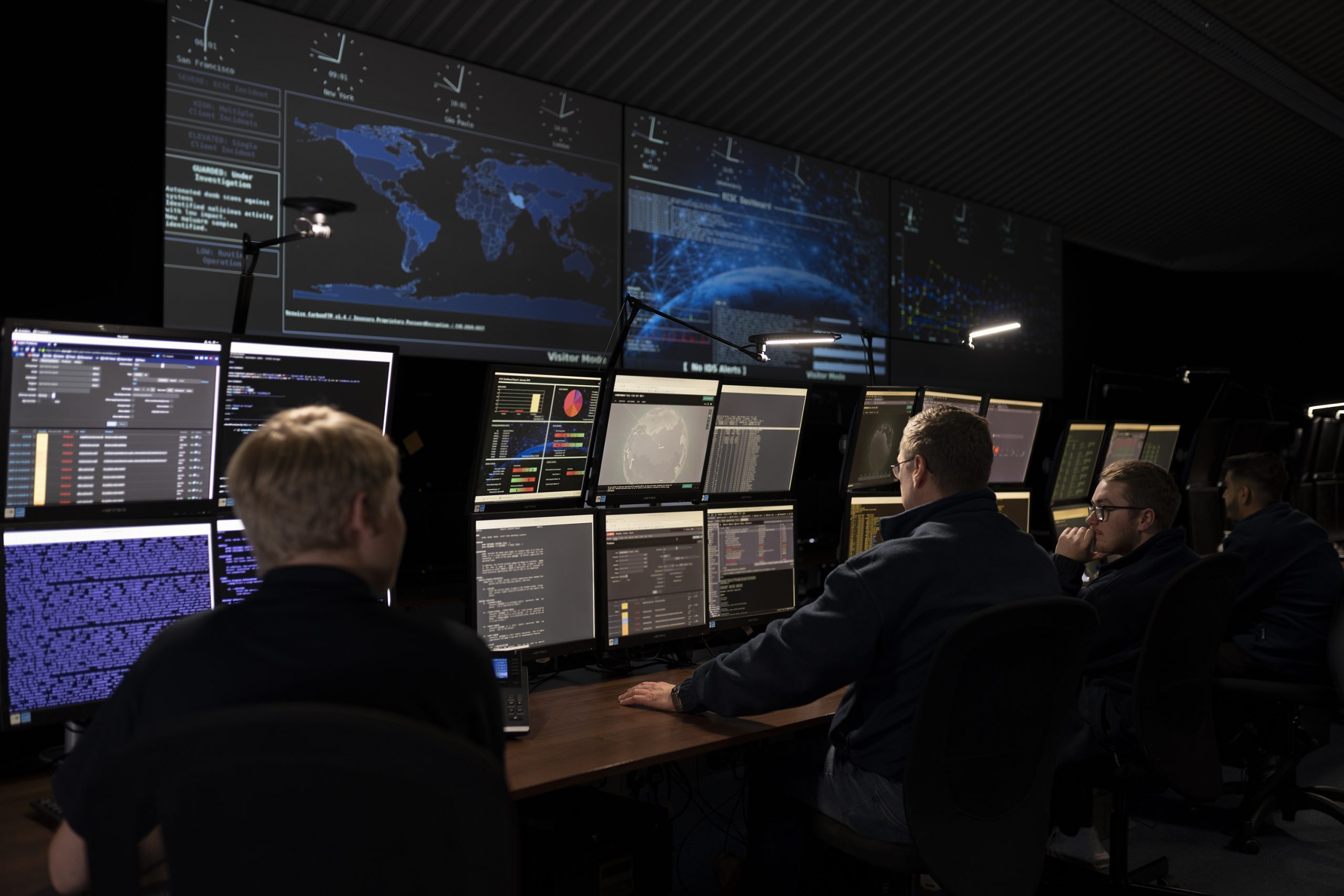
The government-backed accreditation is a prerequisite for any company dealing with Critical National Infrastructure (CNI) or defence projects in the UK
Siemens UK has been awarded the Cyber Essentials Plus (CE+) certification, a prerequisite for organisations applying for critical national infrastructure (CNI) and defence projects in the United Kingdom.
The certification was awarded by ECSC, an independent certifying body for the Cyber Essentials programme, which conducts assessments and reports the outcome to the scheme administrators – the Information Assurance for Small and Medium Enterprises (IASME) consortium.
Cyber Essentials is a cyber security standard introduced by the UK government that aims to provide organisations with pragmatic protection against the most common cyber security threats. CE+ is a step ahead of the standard Cyber Essentials (CE) assessment, which requires organisations to undertake a series of onsite technical assessments that include internal vulnerability tests against servers and sample workstations.
Siemens was awarded the CE+ following a stringent three-month process conducted at its Manchester and Newcastle premises. The evaluation, which was carried out remotely in view of COVID restrictions, looked at:
● Boundary Firewalls & Internet Gateways
● Secure Configuration
● Patch Management
● Access Gateway (User accounts)
● Malware Protection
The certification is renewable every 12 months and Siemens received its CE certificate in November 2020 followed by its CE+ accreditation in Jan 2021.
Paul Hingley, Business Unit Manager, Industrial Security Services at Siemens said, “The CE+ badge significantly endorses Siemens’ stature as a company that takes cyber security very seriously. It demonstrates our commitment to the UK Government Cyber Security initiatives while also demonstrating to our customers that we are a company they can trust. Siemens has also invested heavily in our global internal policies and procedures where we can demonstrate compliance against the IEC62443 standard. Our product development and services all comply to this global standard allowing us to supply solutions and service provisions our customers can rely on. We are the first global company in the Industrial Control Systems (ICS) space to achieve this certification which is a massive achievement for a company with such a complex IT structure that operates on a global platform. This provides Siemens with the ability to demonstrate our competence and credibility in Cyber Security when we compete for major CNI and Defence projects.”
“The CE+ certification together with our internal IEC62443 compliance and governance procedures implies to our clients they are dealing with a company whose products can be validated and verified into security architectures, solutions, processes and systems. It allows our customers to promote best practices, to enhance and promote cyber security requirements into their own supply chain. At Siemens we are committed to ensuring our stakeholders can rely on the highest standards of cyber security, compliance, and privacy while maintaining the very highest standards of engineering.”
Siemens has over 900 assets at both of the sites that went through the rigorous process and nearly 300 machines connected remotely throughout the UK. Other sites in the UK are following the same route and will all be CE+ certified before the end of 2021.
Sean Fahey, CE Specialist, ECSC said, “Whilst this wasn’t my first experience with a manufacturing company, it was one of the largest tasks we had undertaken. It was very much an adapted team effort from both parties.
“We worked with one goal and along the way found solutions, adapted to issues, all this ensuring we remained compliant to the standards. It’s reassuring to see organisations like Siemens be part of the CE+ certification process and taking the responsibility seriously and it is not simply a ‘tick box’ exercise.”
Further information
TOP STORIES
-
 Scientists and engineers quitting jobs as AI changes roles ‘beyond recognition’, study finds
 -
Deepfakes and identity fraud drive new wave of post-hire background checks
-
Brits trust AI with their health but not their money
-
Robot sales rocket 24% as 250,000 machines snap up jobs in warehouses, hotels and hospitals
-
Nearshore supply chains: why Costa Rica is emerging as a strategic gateway for global manufacturing and innovation
-
Bank of England governor warns AI poses growing ‘increasingly significant’ threat to financial stability
-
Inside Cartago’s US$1.186bn green investment hub
-
Smart manufacturing: why Costa Rica is quietly positioning itself as Latin America’s next industrial innovation hub
-
Giant wind turbine with 252-metre rotor could mean fewer machines and cheaper offshore power
-
Talent and workforce development: how Costa Rica is building a competitive knowledge economy
-
Your biggest rival could be your best technology partner, research finds
-
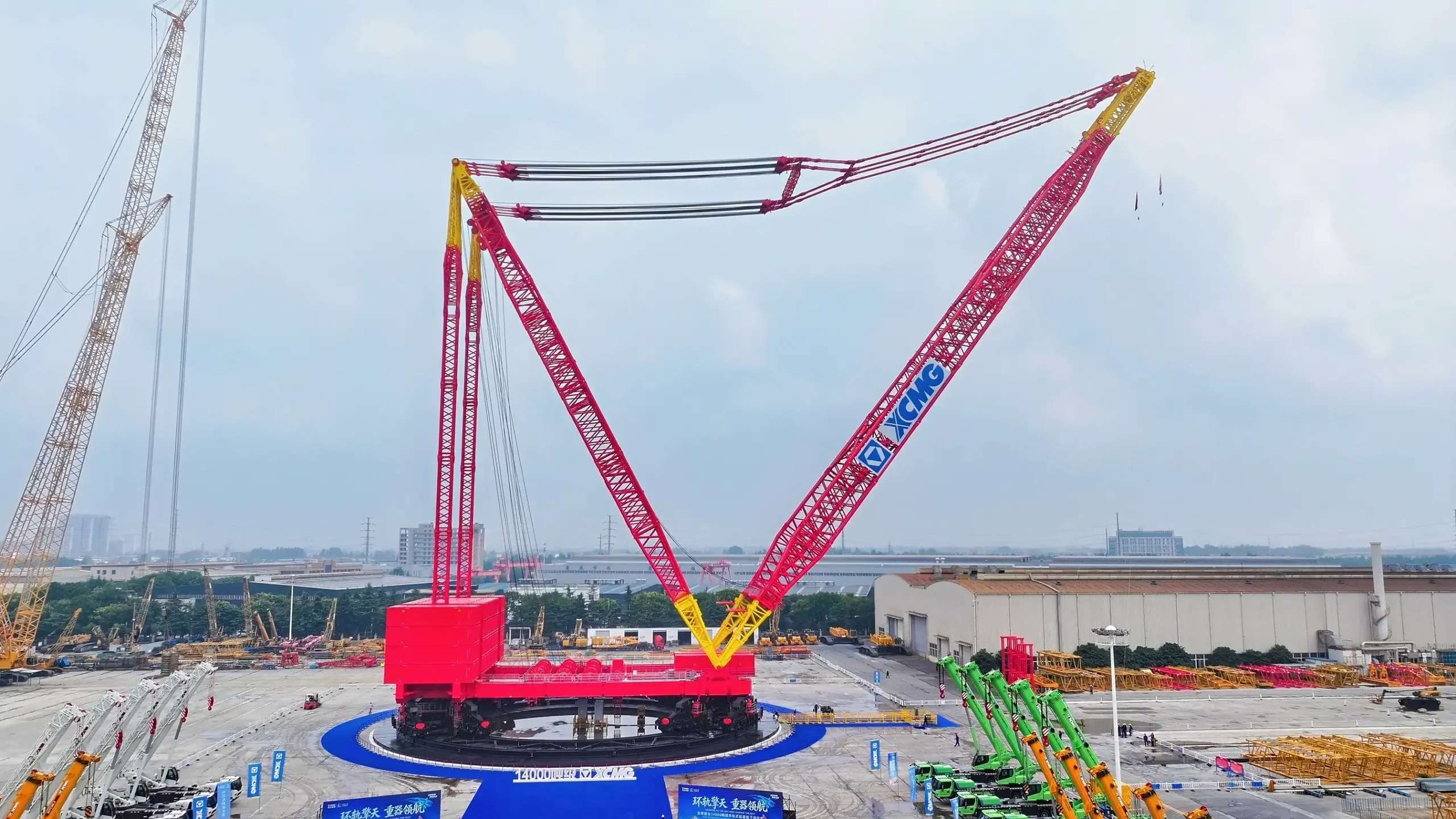
China unveils giant crane capable of lifting 9,300 family cars
-
LED lights could be ‘the new asbestos’, UCL scientists warn
-
OpenAI admits AI models hid mistakes, invented data and acted without permission
-
AI arms race could mean fewer cold emails reaching your inbox
-
Costa Rica is writing the next chapter of global MedTech
-
SpaceX to launch one-tonne orbital factory for European space firm in 2028
-
The Costa Rica Report 2026 is out now
-
Europe’s healthcare sector lags on AI uptake – but leads once it starts using it
-
Stranded drivers could soon call for help even with no mobile signal
-
NASA backs space ‘air brake’ that could cut years off missions to Uranus and Neptune
-
MPs and peers call for UK ban on AI that could evade human control
-
Bioweapons research, Russian-linked spies, guided rockets and cyber-attacks on Europe used Claude AI, Anthropic reveals
-
European network alliance doubles in size as digital sovereignty drive accelerates
-
European insurance giants join New York summit on future of AI










Siemens UK is rewarded for high cyber security standards
John E. Kaye
News & Features
- Published
- Home, Technology
TOP STORIES
-
Scientists and engineers quitting jobs as AI changes roles ‘beyond recognition’, study finds
-
Deepfakes and identity fraud drive new wave of post-hire background checks
-
Brits trust AI with their health but not their money
-
Robot sales rocket 24% as 250,000 machines snap up jobs in warehouses, hotels and hospitals
-
Nearshore supply chains: why Costa Rica is emerging as a strategic gateway for global manufacturing and innovation
-
Bank of England governor warns AI poses growing ‘increasingly significant’ threat to financial stability
-
Inside Cartago’s US$1.186bn green investment hub
-
Smart manufacturing: why Costa Rica is quietly positioning itself as Latin America’s next industrial innovation hub
-
Giant wind turbine with 252-metre rotor could mean fewer machines and cheaper offshore power
-
Talent and workforce development: how Costa Rica is building a competitive knowledge economy
-
Your biggest rival could be your best technology partner, research finds
-
China unveils giant crane capable of lifting 9,300 family cars
-
LED lights could be ‘the new asbestos’, UCL scientists warn
-
OpenAI admits AI models hid mistakes, invented data and acted without permission
-
AI arms race could mean fewer cold emails reaching your inbox
-
Costa Rica is writing the next chapter of global MedTech
-
SpaceX to launch one-tonne orbital factory for European space firm in 2028
-
The Costa Rica Report 2026 is out now
-
Europe’s healthcare sector lags on AI uptake – but leads once it starts using it
-
Stranded drivers could soon call for help even with no mobile signal
-
NASA backs space ‘air brake’ that could cut years off missions to Uranus and Neptune
-
MPs and peers call for UK ban on AI that could evade human control
-
Bioweapons research, Russian-linked spies, guided rockets and cyber-attacks on Europe used Claude AI, Anthropic reveals
-
European network alliance doubles in size as digital sovereignty drive accelerates
-
European insurance giants join New York summit on future of AI



