Human Robot collaboration set to harness Al power

John E. Kaye
- Published
- Home, Technology
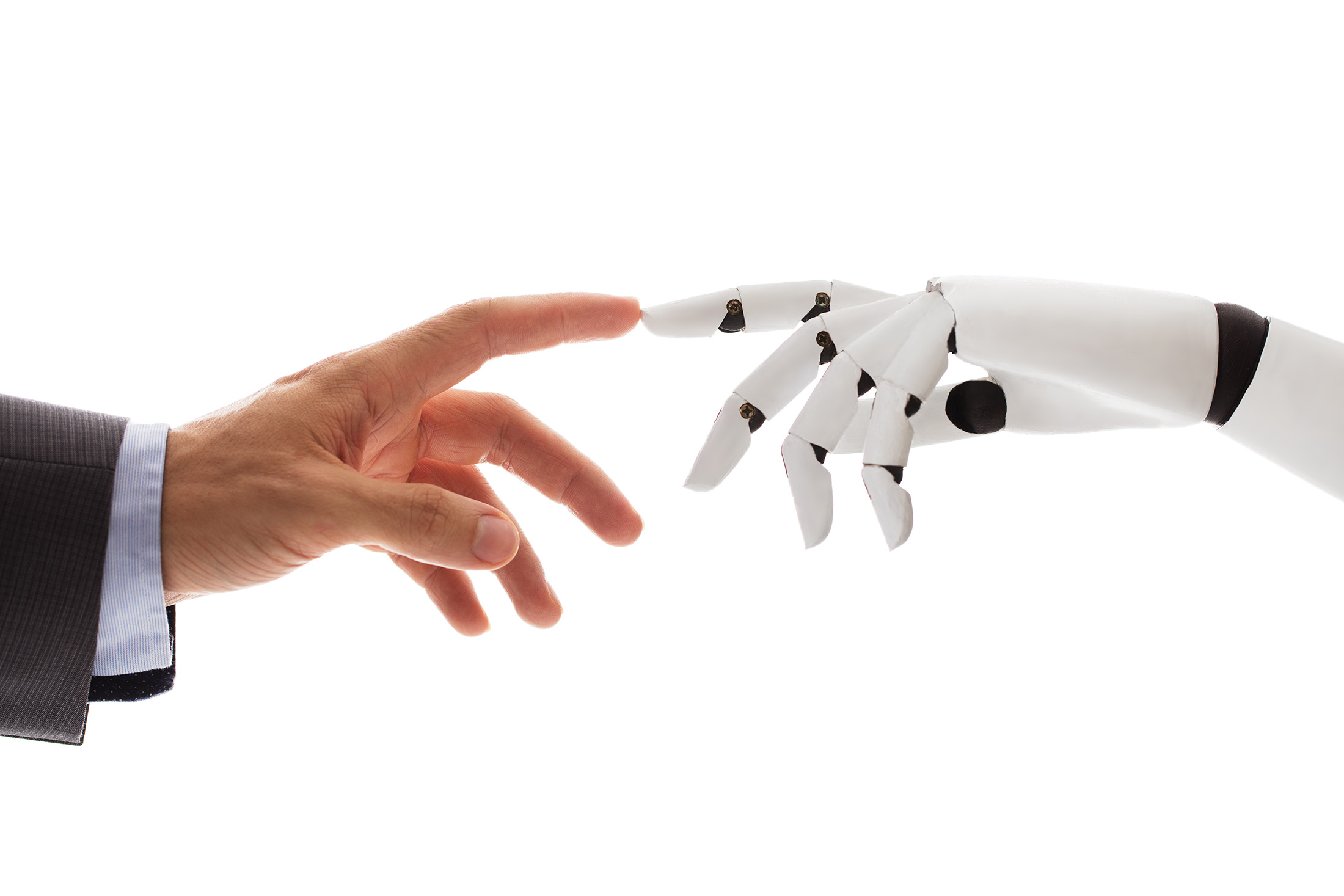
The rise of the robots conjures up dystopian images of the Human Robot and hyper-intelligent machines out-thinking humans then maliciously turning on their creators. Think Terminator meets I, Robot.
By next year, 42 million robots are expected to be sold, up from 5.5 million in 2015. Sci-fi author Isaac Asimov’s Three Laws of Robotics mandates that robots must obey humans and do no harm. But fears persist that artificially-intelligent devices pose an existential threat to humanity.
AI is, essentially, the process of designing and programming algorithms, computers and robots to evolve and adapt – based on data inputs – to solve problems, reveal insights and make predictions.
A sober analysis of AI foresees a world where we collaborate, rather than compete, with synthetically-intelligent machines to eliminate tedious, dangerous and dirty tasks, in the process liberating our own creativity.
AI-enabled systems can now read and synthesise massive amounts of data. Doctors, lawyers and other experts can draw upon these vast data sets to swiftly diagnose disease, identify relevant case law and accelerate decision-making.
Cyber-physical sensors can not only respond to, but also predict, natural disasters; eventually the Human Robot will be able enter disaster zones and rescue survivors.
According to Daniela Rus, who leads a group at Massachusetts Institute of Technology’s Computer Science and Artificial Intelligence Laboratory, it is now nearly possible to manufacture working robots that walk straight out of a 3D printer.
There are paralysing limitations to robots’ prosthetic prowess, though. Amazon’s Alexa can’t vacuum your carpet and Roomba can’t order you a takeaway. That’s because robots are restricted in the way they ‘reason’ with their environment. Collaborating with AI systems will enable us to augment and amplify many aspects of work and life, says the MIT academic.
Rus claims machines are much faster and more precise at repetitive, mundane jobs like crunching numbers, memorising, discerning patterns and lifting heavy objects. Humans, however, outwit them in creative processes and abstract thinking.
Critics often cite job displacement as an anxiety fostered by the Human Robot. Yet such fears may be overhyped. Like any innovation, AI is neither good nor bad; it’s the uses it’s put to that are open to ethical inquiry.
Imperial College London runs Tech Foresight, a futuristic laboratory that tries to help boardrooms foresee how technology, including AI, will affect their company. It ranks how close even the most far-fetched AI advances – such as implantable phones and head transplants – are from being realised.
As for the nightmare scenario where indestructible AI-enabled robotic armies crush soft humans underfoot, rest assured. Malevolent machines are ranked 99 on Tech Foresight’s list of most likely innovations. Number one, by the way, is the ‘smart nappy’ which will render the ‘sniff test’ obsolete.
TOP STORIES
-
 NHS begins world's biggest AI breast cancer screening trial involving 700,000 women
-
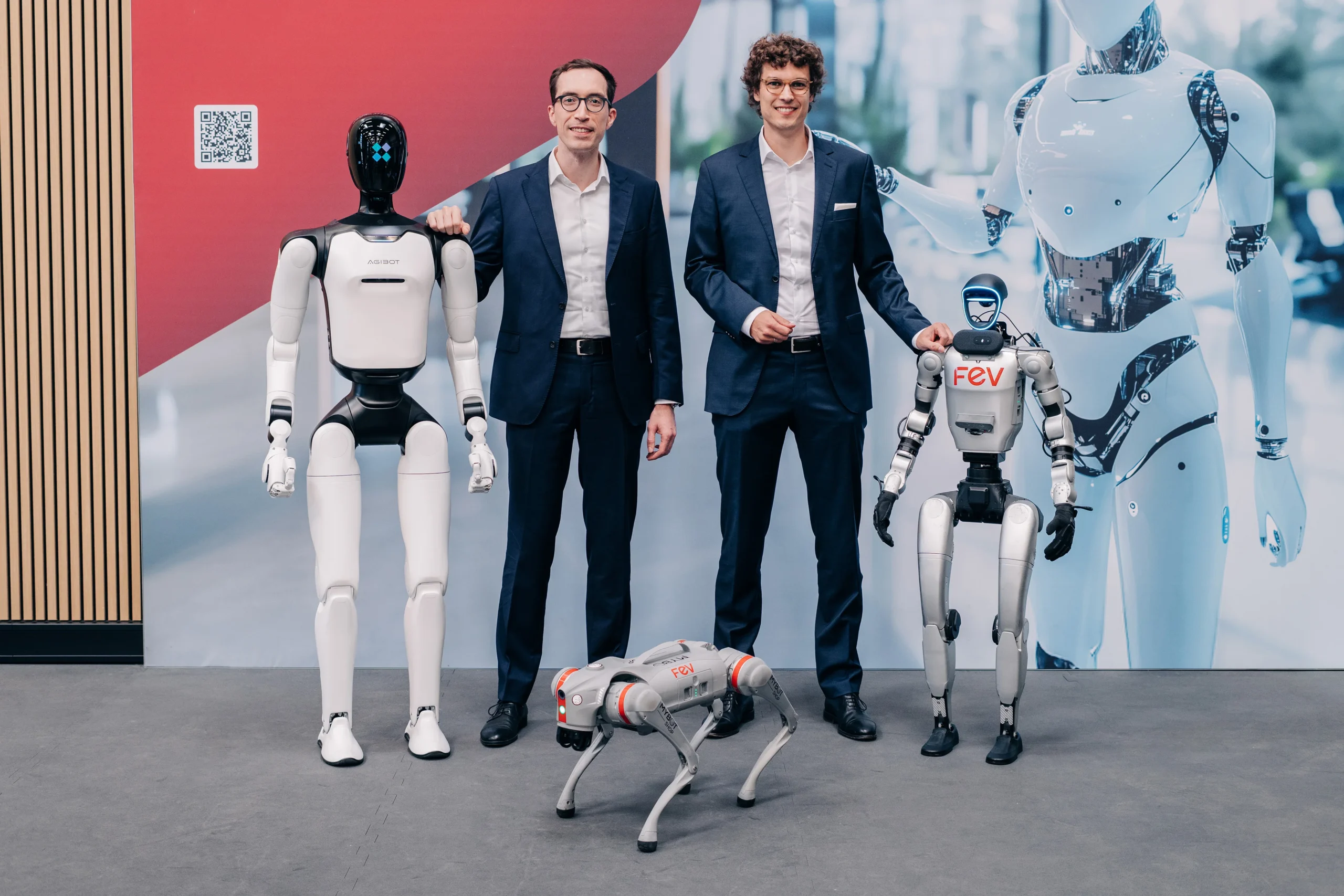
World's robotics leaders to gather in Germany in race to put AI to work
-
The AI governance gap is a leadership problem: waiting won’t close it
-
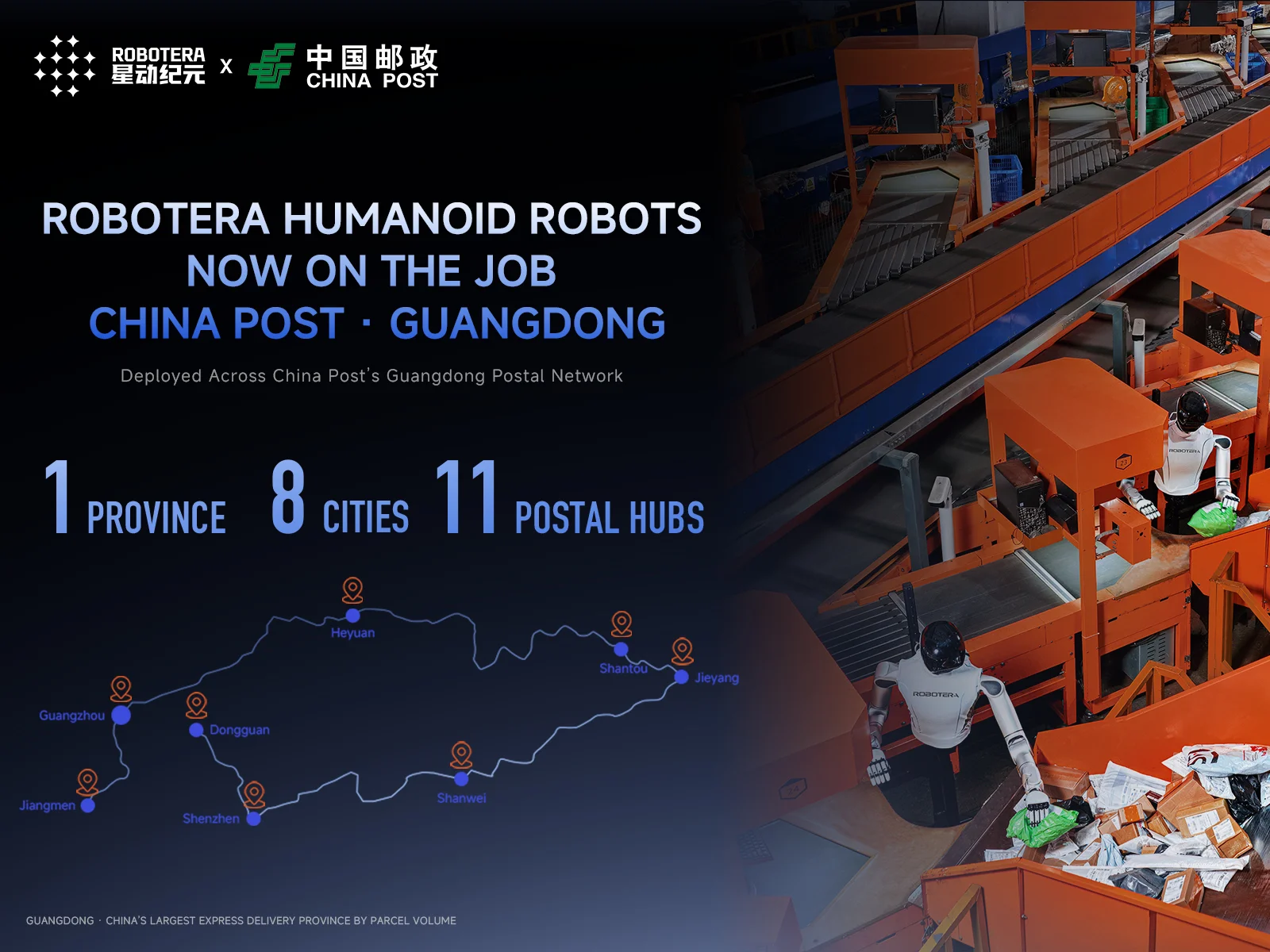
First class delivery: China's postal service puts humanoid robots to work across eight cities
-
AI set to transform university librarians' jobs as 95% predict surge in demand
-
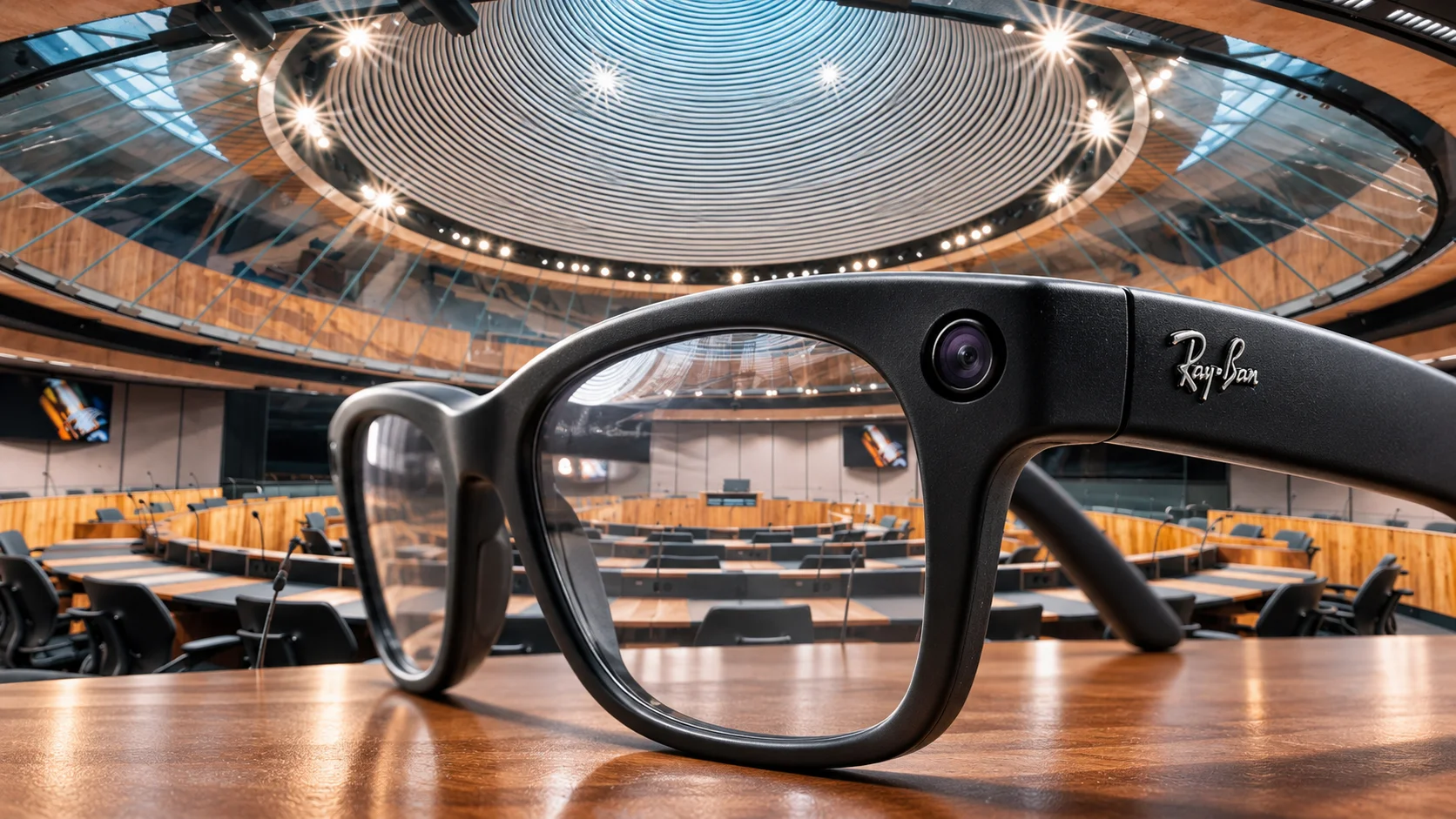
Specs appeal: Welsh Parliament bans smart glasses
-
UK and European experts demand tougher AI laws as Australia considers criminal penalties after OpenAI breach
-
Nvidia hires top US lawyer to investigate CEO's alleged affair with Chinese spy
-
Why Airbnb and Uber take off in some cities but flop in others, according to scientists
-
European entrepreneurs trust AI firms more than governments as four-in-10 look beyond Europe
-
Bosses warned of ‘AI blind spot’ as workers risk taking company secrets when they quit
-
Scientists grow world's largest diamond crystal in breakthrough that could stop AI chips overheating
-
Costa Rica's medtech bet: from making devices to engineering them
-
Infront hires Deutsche Börse data expert Jeff Caldwell as AI transforms financial markets
-
US rocket firm plans Scottish launches in bid to revive failed Highland spaceport
-
Britain launches first major study into ‘forever chemicals’ lurking in our bodies
-
Scientists close in on mysterious ‘zeptoverse’ after 40-year hunt for ultra-rare particle
-
Bahrain lands $3.9bn investment deal with DHL, AirAsia and hotel giant Meliá
-
AI could 'help pharmaceutical companies spot clinical trial problems before they escalate'
-
Anthropic warns AI could pose ‘existential risks’ as it files for stock market flotation
-
North Korean agents are infiltrating Western businesses by posing as employees, security chief warns
-
Hackers could bring Britain’s essential services to a standstill, security chief warns after global website shutdowns
-
We’re talking to almost twice as many people on the phone as a decade ago, study finds
-
Scientists and engineers quitting jobs as AI changes roles ‘beyond recognition’, study finds
-
Deepfakes and identity fraud drive new wave of post-hire background checks

















Human Robot collaboration set to harness Al power
John E. Kaye
- Published
- Home, Technology
TOP STORIES
-
NHS begins world's biggest AI breast cancer screening trial involving 700,000 women
-
World's robotics leaders to gather in Germany in race to put AI to work
-
The AI governance gap is a leadership problem: waiting won’t close it
-
First class delivery: China's postal service puts humanoid robots to work across eight cities
-
AI set to transform university librarians' jobs as 95% predict surge in demand
-
Specs appeal: Welsh Parliament bans smart glasses
-
UK and European experts demand tougher AI laws as Australia considers criminal penalties after OpenAI breach
-
Nvidia hires top US lawyer to investigate CEO's alleged affair with Chinese spy
-
Why Airbnb and Uber take off in some cities but flop in others, according to scientists
-
European entrepreneurs trust AI firms more than governments as four-in-10 look beyond Europe
-
Bosses warned of ‘AI blind spot’ as workers risk taking company secrets when they quit
-
Scientists grow world's largest diamond crystal in breakthrough that could stop AI chips overheating
-
Costa Rica's medtech bet: from making devices to engineering them
-
Infront hires Deutsche Börse data expert Jeff Caldwell as AI transforms financial markets
-
US rocket firm plans Scottish launches in bid to revive failed Highland spaceport
-
Britain launches first major study into ‘forever chemicals’ lurking in our bodies
-
Scientists close in on mysterious ‘zeptoverse’ after 40-year hunt for ultra-rare particle
-
Bahrain lands $3.9bn investment deal with DHL, AirAsia and hotel giant Meliá
-
AI could 'help pharmaceutical companies spot clinical trial problems before they escalate'
-
Anthropic warns AI could pose ‘existential risks’ as it files for stock market flotation
-
North Korean agents are infiltrating Western businesses by posing as employees, security chief warns
-
Hackers could bring Britain’s essential services to a standstill, security chief warns after global website shutdowns
-
We’re talking to almost twice as many people on the phone as a decade ago, study finds
-
Scientists and engineers quitting jobs as AI changes roles ‘beyond recognition’, study finds
-
Deepfakes and identity fraud drive new wave of post-hire background checks