Over the past three decades, Costa Rica has quietly transformed itself from a largely agriculture-based economy into one of Latin America’s most compelling destinations for foreign direct investment (FDI), advanced manufacturing, engineering services, and innovation-led growth. Once internationally recognised primarily for coffee exports, eco-tourism, and environmental leadership, the country is now increasingly associated with high-value industries including medical technology, precision manufacturing, aerospace components, shared services, life sciences, and digital innovation
This evolution did not happen by accident. It has been driven by long-term political stability, a highly educated workforce, strategic investment policies, strong sustainability credentials, and a deliberate national effort to move up the global value chain. Today, Costa Rica stands as a case study in how a small nation can successfully reposition itself within the global economy by prioritising innovation, human capital, and international competitiveness.
A strategic hub for foreign direct investment
FDI has played a central role in Costa Rica’s economic development model. Since the late 1990s, the government has actively pursued multinational investment through free trade agreements, investment incentives, and the establishment of free trade zones designed to attract export-oriented industries.
Global companies were initially drawn by Costa Rica’s political stability, democratic institutions, and strategic geographic position between North and South America. Over time, however, the value proposition evolved significantly. Investors increasingly recognised the country’s ability to provide sophisticated technical talent, operational reliability, and a supportive business environment capable of handling complex manufacturing and engineering operations.
Today, major multinational corporations from the United States, Europe, and Asia operate extensive facilities in Costa Rica across sectors such as healthcare, electronics, advanced manufacturing, and business services. Companies are no longer viewing Costa Rica merely as a low-cost production location. Instead, they are using the country as a strategic regional hub for innovation, research, engineering support, and high-value operational functions.

The country’s strong trade integration has further strengthened its appeal. Costa Rica benefits from multiple free trade agreements covering key international markets, including the United States, the European Union, and several Latin American economies. This has enabled manufacturers operating in Costa Rica to efficiently serve global supply chains while maintaining access to major consumer markets.
Manufacturing excellence as a foundation
Advanced manufacturing remains one of the most important pillars of Costa Rica’s economic transformation. The country has become particularly well known for its success in medical device manufacturing, where it has developed one of the most sophisticated clusters in Latin America.
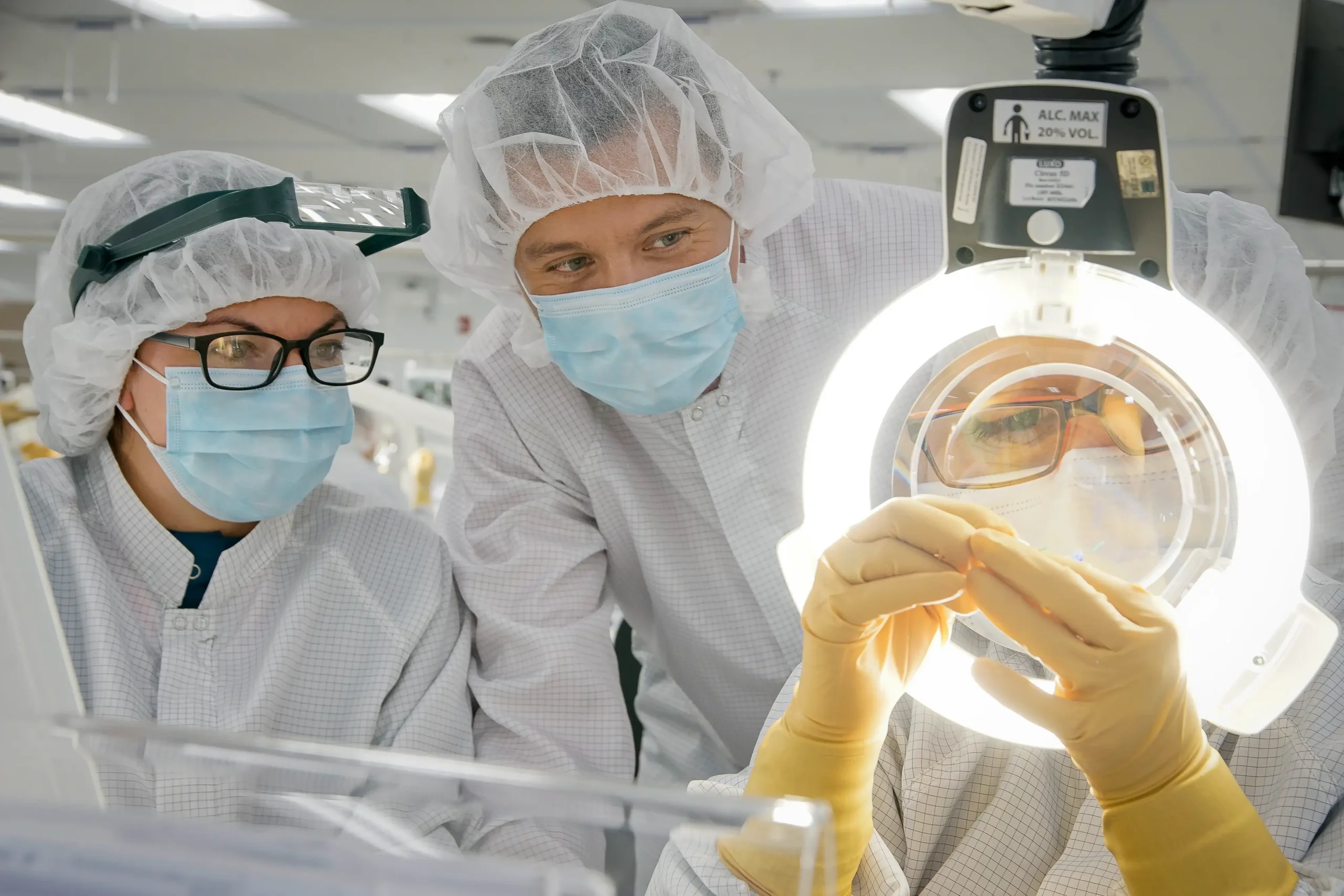
Global medical technology firms have established operations in Costa Rica to produce high-precision devices, surgical instruments, diagnostic equipment, and specialised healthcare components. The sector now represents one of the country’s leading export categories and continues to attract additional investment as global demand for advanced healthcare technologies grows.
What differentiates Costa Rica from many emerging manufacturing locations is the sophistication of the work being performed. Production facilities increasingly rely on automation, quality engineering, advanced compliance systems, and highly trained technical personnel. This has created a strong ecosystem of suppliers, engineering specialists, logistics providers, and educational institutions that collectively support continued industrial growth.
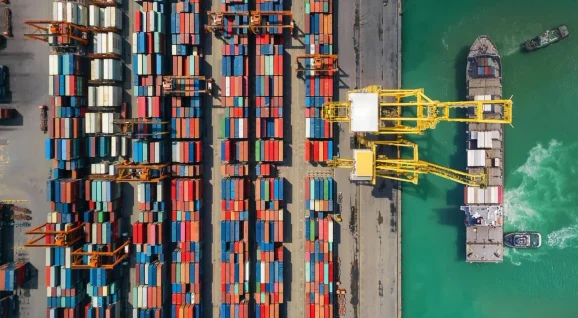
In addition to medical technology, Costa Rica has also seen expansion across electronics, aerospace components, automotive support services, and precision manufacturing. Many multinational firms have gradually increased the complexity of operations within the country, transitioning from basic assembly activities toward more advanced manufacturing processes and integrated engineering support.
This evolution reflects a broader trend within global supply chains. Companies are seeking resilient, stable, and highly capable operational environments that can deliver quality, innovation, and sustainability alongside competitive costs. Costa Rica has positioned itself effectively within this changing landscape.
The shift toward innovation and R&D
Perhaps the most important development in Costa Rica’s economic journey is the transition from manufacturing excellence toward innovation leadership. Increasingly, multinational companies are locating research, development, engineering, and design functions within the country alongside production operations.
This shift demonstrates growing international confidence in Costa Rica’s talent base and institutional capacity. Engineers, software developers, data analysts, and research specialists are now playing a larger role in supporting product development, process optimisation, and technological innovation for global companies operating in the region.
The growth of knowledge-intensive industries has been supported by significant investment in education and workforce development. Costa Rica consistently ranks highly within Latin America for literacy, education levels, and human development indicators. Public investment in education over many decades has helped create a technically capable workforce able to support sophisticated industrial and digital operations.
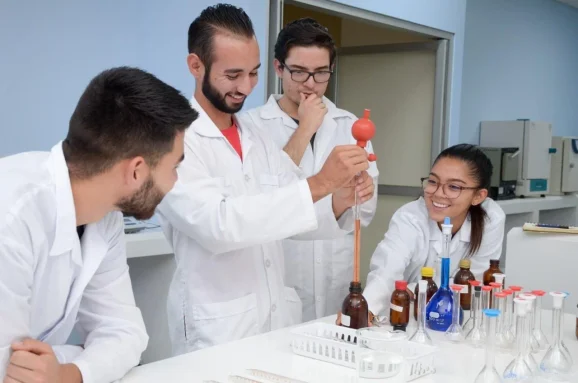
Universities and technical institutes have also strengthened collaboration with private industry, helping align academic programmes with evolving labour market demands. As a result, companies investing in Costa Rica increasingly have access to multilingual professionals with expertise across engineering, life sciences, information technology, finance, and advanced manufacturing disciplines.
Digital transformation is also accelerating across the economy. Shared services centres, fintech operations, cybersecurity teams, software development hubs, and digital engineering functions are becoming increasingly common within Costa Rica’s corporate ecosystem. This diversification is helping the country reduce dependence on traditional manufacturing while expanding higher-value economic activity.
Sustainability as a competitive advantage
One of Costa Rica’s most distinctive advantages in attracting investment is its global reputation for sustainability and environmental stewardship. The country has long positioned itself as a leader in renewable energy, biodiversity protection, and sustainable development. This reputation aligns particularly well with the priorities of modern multinational corporations, many of which are under growing pressure to strengthen ESG performance, reduce carbon footprints, and develop more sustainable supply chains.
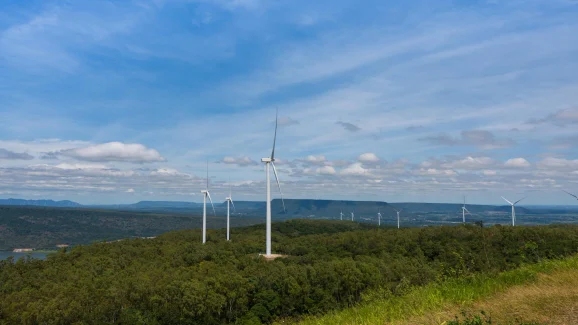
Costa Rica generates the majority of its electricity from renewable energy sources, including hydroelectric, wind, geothermal, and solar power. For international manufacturers and technology firms seeking lower-emission operational environments, this creates a compelling strategic advantage.
In addition, Costa Rica’s commitment to environmental preservation enhances its attractiveness for talent recruitment and international corporate relocation. Quality of life, political stability, healthcare access, and environmental quality are increasingly important considerations for globally mobile professionals and executives.
As global investors place greater emphasis on responsible business practices, Costa Rica’s sustainability credentials are likely to become even more valuable within the international competition for investment capital.
Challenges and the road ahead
Despite its success, Costa Rica also faces important challenges as it seeks to maintain momentum and continue climbing the value chain.
Infrastructure development remains a key priority, particularly in transportation, logistics, and digital connectivity. Competition for technical talent is intensifying as more companies establish operations in the country, increasing pressure on education systems and workforce development initiatives.
Additionally, maintaining competitiveness will require ongoing investment in innovation ecosystems, research capabilities, and entrepreneurship support.
While multinational investment has driven much of Costa Rica’s industrial growth, strengthening local innovation and domestic enterprise development will be essential for long-term resilience.
Nevertheless, the country’s trajectory remains highly positive. Costa Rica has demonstrated that small economies can compete globally by focusing on talent, innovation, stability, and sustainability rather than relying solely on low-cost labour advantages.
As global supply chains continue to evolve amid geopolitical uncertainty, nearshoring trends, and digital transformation, Costa Rica appears well positioned to capture further investment in advanced manufacturing, engineering services, research, and innovation-led industries.
The country’s evolution from manufacturing destination to innovation partner represents one of Latin America’s most compelling economic success stories – and one that may offer valuable lessons for emerging economies worldwide.
Further Information
Produced with support from CINDE. To find out more about Costa Rica’s life-sciences sector and investment opportunities, visit www.cinde.org
READ MORE: Inside Cartago’s US$1.186bn green investment hub. With 23 multinationals, more than 10,000 direct jobs and US$1.186bn in investment, La Lima Free Zone Park, a one million-square-metre business park in Cartago recognised among the world’s 50 most sustainable free zones, has turned the Costa Rican province into one of Costa Rica’s strongest hubs for life sciences, advanced manufacturing and specialised services.
Do you have news to share or expertise to contribute? The European welcomes insights from business leaders and sector specialists. Get in touch with our editorial team to find out more.