With the war in the Middle East again exposing Britain’s vulnerability to fossil-fuel shocks, the government says it will begin work on the UK’s first small modular nuclear reactors as part of its push for more secure homegrown power
Britain has signed a “landmark” deal with Rolls-Royce SMR to begin work on the country’s first small modular nuclear reactors, as ministers argue the UK needs more homegrown power after the current conflict in the Middle East again exposed the risks of dependence on fossil fuel markets.
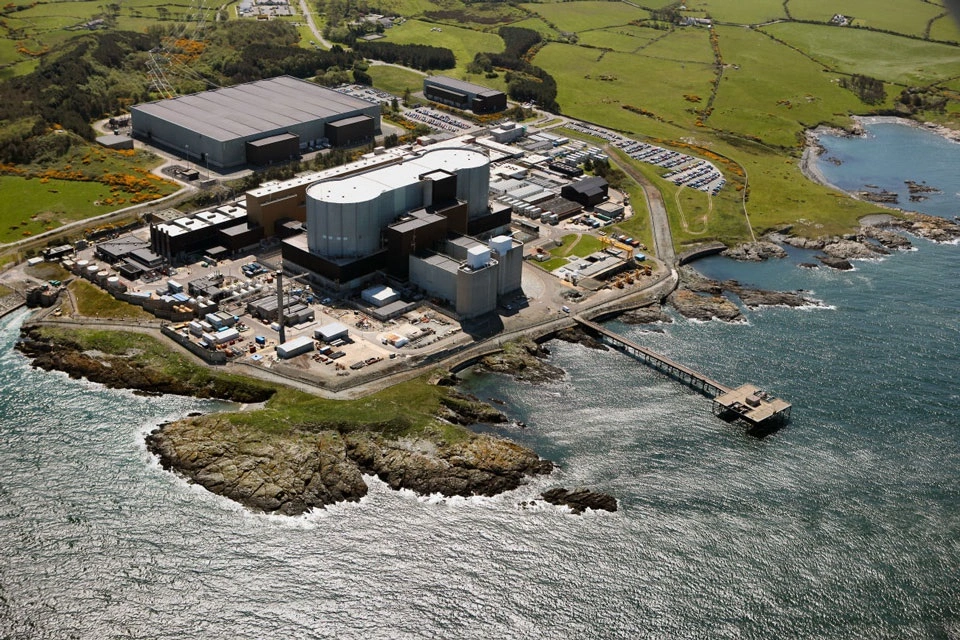
Great British Energy – Nuclear said the contract formally starts design work on the long-awaited programme, with the first three reactors set for Wylfa in north Wales.
Ministers said the project would help strengthen domestic electricity supply and reduce exposure to volatile international energy markets.
The move comes after the government said the conflict in the Middle East was “yet another reminder” that the UK needed to accelerate the shift away from fossil fuel dependence and towards cleaner power generated at home.
Small modular reactors are designed to use standardised, factory-built components, with supporters arguing that this should make them quicker and less risky to deliver than traditional large nuclear plants.
Energy Secretary Ed Miliband said: “At a time of global instability, this is a major milestone for Britain’s energy security.
“We are backing a British company to deliver our first small modular reactors – creating a generation of good jobs, driving growth and providing clean, homegrown power for decades to come.
“Our clean energy mission is the only route to getting off the rollercoaster of fossil fuels and take back control of our energy independence.”
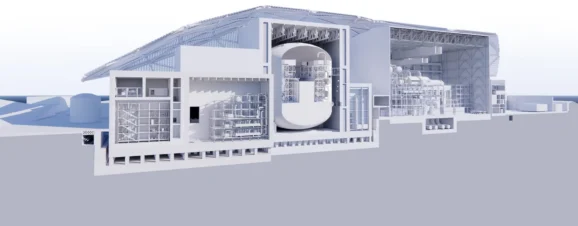
The three-unit project is expected to generate at least 1.4GW of electricity – enough to power the equivalent of around three million homes for more than 60 years – while supporting about 3,000 jobs at peak construction and thousands more through the wider UK supply chain.
The contract allows Rolls-Royce SMR to begin site-specific design work, regulatory engagement and planning activity ahead of a future final investment decision. It also opens the way for long lead-time equipment orders from the supply chain.
Rolls-Royce SMR was chosen as the preferred technology partner in June 2025, and £2.6 billion was allocated in the 2025 Spending Review to support the contract and wider programme.
In addition, the National Wealth Fund is committing up to £599 million to support the development of the company’s reactor technology.
Chancellor Rachel Reeves said the investment would “strengthen our energy security, create skilled jobs and help to build a new generation of homegrown nuclear technology that will power our economy for decades to come”.
Chris Cholerton, chief executive of Rolls-Royce SMR, added: “This contract unlocks the delivery of our first three units and brings certainty to the UK SMR programme.
“With plans for up to six further units in Czechia, this announcement makes Rolls-Royce SMR the only company with multiple commitments in Europe.”
Great British Energy – Nuclear said it had already awarded more than £350 million in contracts across the supply chain this year.
READ MORE: ‘Global energy crisis ‘worse than 1970s oil shocks combined’, IEA chief warns‘. Fatih Birol says disruption from the Iran conflict has cut oil and gas supplies on a scale exceeding historic crises, posing a “major threat” to the global economy.
Do you have news to share or expertise to contribute? The European welcomes insights from business leaders and sector specialists. Get in touch with our editorial team to find out more.
Main image: An aerial view of Wylfa nuclear power station on Anglesey, where the first three Rolls-Royce small modular reactors are planned. Picture: UK government agencies/OGL v3