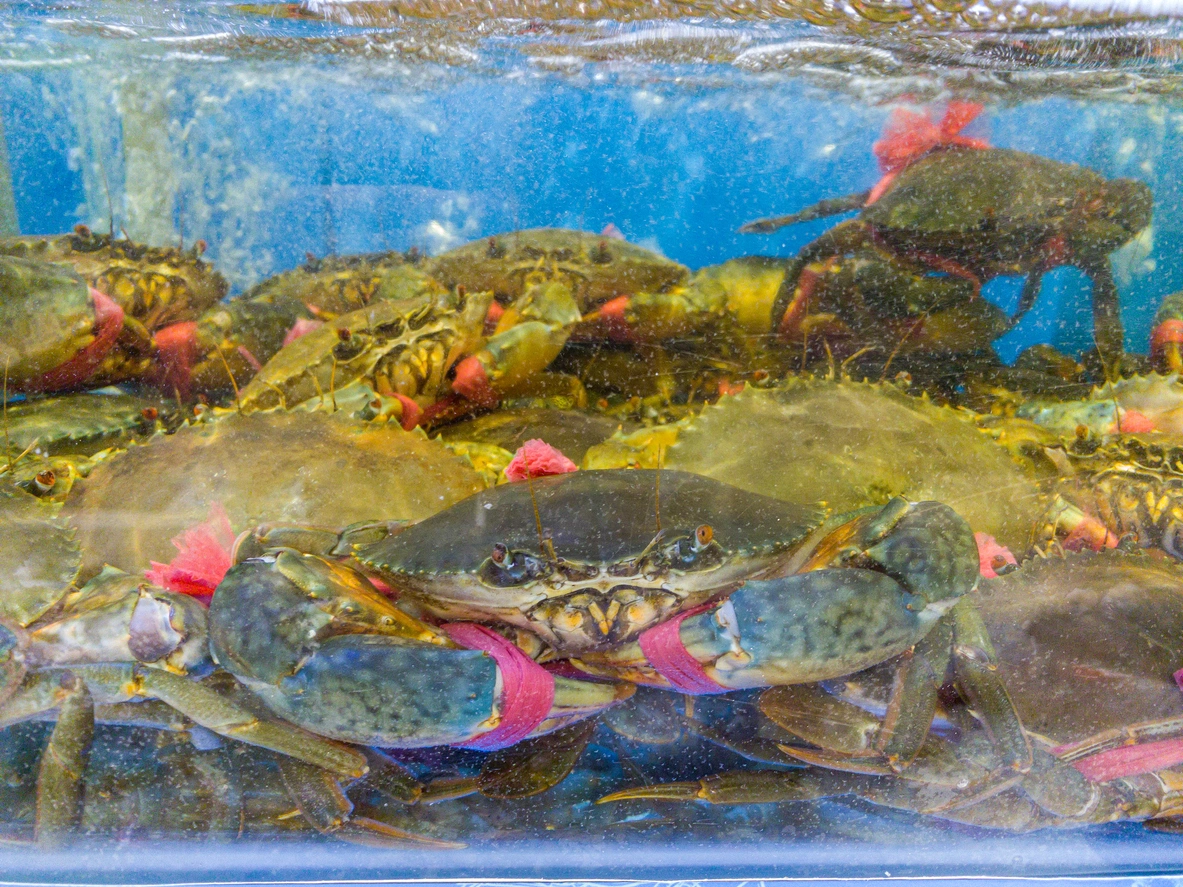
Most major retailers have already stopped selling live crustaceans for home cooking as government prepares new welfare rules
Most major UK supermarkets and seafood suppliers have stopped selling live crabs and lobsters for home cooking ahead of planned government restrictions, according to a new industry benchmark.
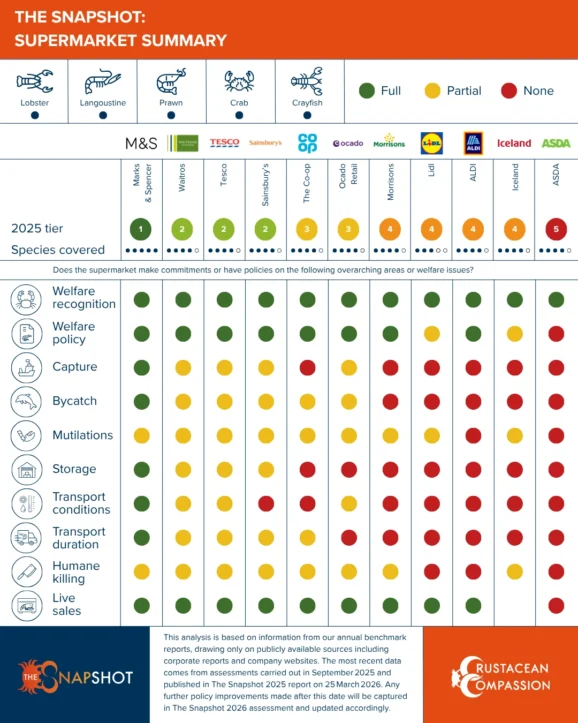
Data from animal welfare group Crustacean Compassion shows 19 of 30 companies assessed now have policies prohibiting the sale of live crustaceans, including most leading supermarkets.
ASDA has also committed to end the practice, although its policy change came after the report’s cut-off.
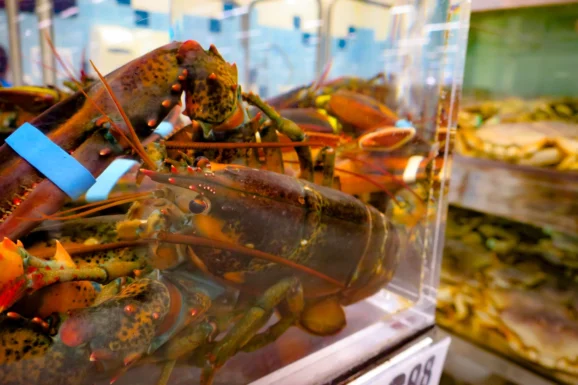
The findings come as ministers prepare to introduce a ban on boiling crustaceans alive and set out guidance on humane slaughter, signalling tighter regulation of how shellfish are handled across the supply chain.
Details of how the rules will be applied and when they will come into force have not been set out.
But Dr Ben Sturgeon, chief executive of Crustacean Compassion, said the industry had moved quickly in advance of legislation.
He said: “In the four years since The Snapshot was founded, we have seen significant progress on company welfare policies. Many businesses are now ahead of the law, adopting best practice for crustacean welfare, as well as listening to consumer demands.”
He added that the group’s campaign targeting supermarket sales had played a role, saying: “Our campaign urging supermarkets to stop selling live crustaceans was instrumental in this shift, and we’re delighted to see almost all major retailers now upholding this standard.”
The organisation’s 2025 Snapshot report ranks companies on their approach to crustacean welfare, with Sykes Seafood placed in the top tier following improvements to its policies and transparency.
Marks & Spencer, Young’s Seafood and New England Seafood International – Paignton are also listed among leading performers.
The report also found that 63 per cent of companies assessed have policies committing to continue, adopt or expand the use of electrical stunning in their supply chains.
Alongside the report, Crustacean Compassion has launched a consumer guide intended to help shoppers compare supermarket standards on crab, lobster and prawn welfare.
Sturgeon said consumer expectations were shifting alongside industry practice. “Consumers want to know that innovative companies can supply ethical, high-welfare seafood and will reward those who take their responsibilities to animal welfare seriously,” he added.
READ MORE: ‘Love with responsibility: rethinking supply chains this Valentine’s Day’. As Valentine’s Day gifts fill shops with chocolate and flowers, Tytti Nahi examines the human and environmental cost embedded in their global supply chains and argues for urgent, shared action on human rights and environmental due diligence.
Do you have news to share or expertise to contribute? The European welcomes insights from business leaders and sector specialists. Get in touch with our editorial team to find out more.