Could AI finally mean fewer potholes? Swedish firm expands road-scanning technology across three continents

Mark G. Whitchurch
- Published
- News, Technology
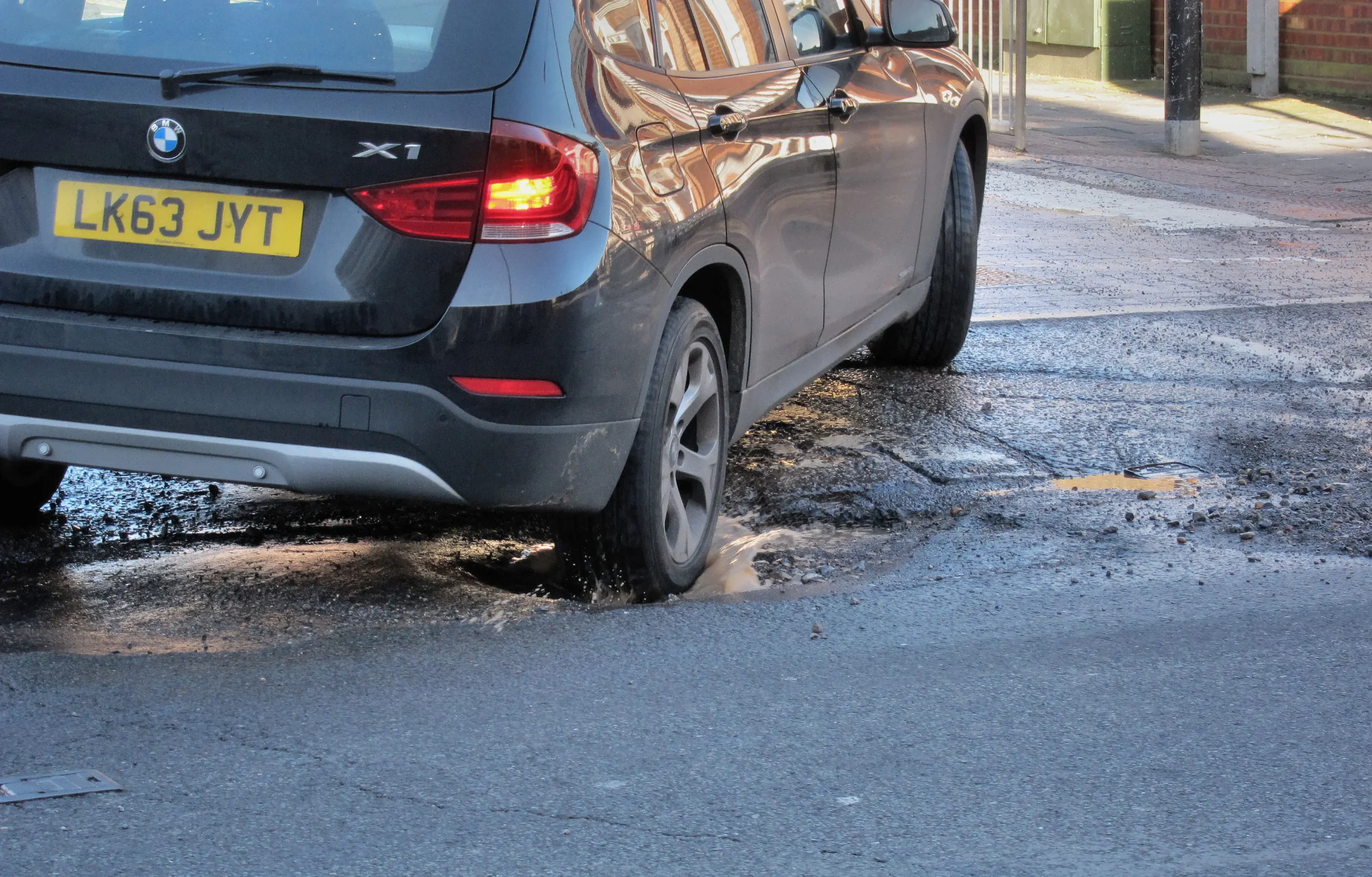
Motorists across Europe may soon benefit from a new generation of artificial intelligence designed to spot potholes before drivers hit them
Swedish technology company Flowity has secured its first investment round to expand a system that automatically detects cracks, potholes and other road surface damage using ordinary video footage.
Flowity’s platform, known as Flowity Road Analysis, uses computer vision to analyse standard video capture and automatically classify surface damage.
The system then produces map-ready data that road authorities can feed directly into maintenance planning systems.
This allows roads to be assessed more quickly and at lower cost, without deploying sensor-equipped inspection vehicles, according to the company.
The technology is already being used in projects across the Nordics, the Baltic region and parts of the United States, as well as in infrastructure programmes in the Caribbean and Papua New Guinea.
“Our experience spans advanced U.S. transport markets to remote and developing regions,” co-founder Dan Levy said.
“Across continents, we see the same challenge: infrastructure decisions are often made without scalable, reliable data. Our mission is to modernize road infrastructure management globally — and this investment allows us to accelerate that transformation.”
The firm works with municipalities, counties and national road authorities, and has collaborated with the World Bank on infrastructure assessment projects in developing markets.
Road inspections in many countries still rely on manual surveys or specialist vehicles that scan surfaces at intervals. That can mean defects go unnoticed until they worsen — particularly in colder regions where freeze–thaw cycles rapidly turn small cracks into axle-busting potholes.
While Flowity’s technology does not fix roads itself, earlier and more consistent detection of defects could allow authorities to intervene before minor cracks deteriorate into more serious damage — potentially reducing long-term repair costs and the number of major potholes forming.
Flowity said the funding will support expansion across Europe, North America and Asia-Pacific, alongside further development of its AI capabilities.
READ MORE: ‘New guide to the NC500 calls time on ‘tick-box tourism’‘. Often dubbed Britain’s Route 66, Scotland’s North Coast 500 has become one of the most photographed drives in the world — and one of the busiest. As the route grows ever more popular on social media, Highland photographer and author Steve Campbell says many visitors are missing what makes it special by rushing from stop to stop in search of familiar photo spots. Drawing on his new book about the route, Campbell — who has completed the full circuit nearly 20 times — explains why most travellers are getting the NC500 wrong, and how it looks when you take the time to know it properly.
Do you have news to share or expertise to contribute? The European welcomes insights from business leaders and sector specialists. Get in touch with our editorial team to find out more.
Main image: Alan Stanton / CC BY-SA 2.0 (via Wikimedia Commons)
TOP STORIES
-
 More than 1.2m English drivers may have eyesight too poor for the road, study finds
 -
David Reuben, Britain’s second richest person, leaves London for Monaco
-
UK prisoner release plan faces a major lag as tougher rules risk sending inmates back to jail
-
Brits trust AI with their health but not their money
-
Britain still hungry for Italian food as exports hit €4.56bn despite Brexit
-
Women who earn more than their partners still pay the price at work, landmark study finds
-
Vape expectations go up in smoke as new UK tax sparks fury
-
Robot sales rocket 24% as 250,000 machines snap up jobs in warehouses, hotels and hospitals
-
New-build homeowners should not be left with ‘mud and a fence’, campaigners warn
-
Bank of England governor warns AI poses growing ‘increasingly significant’ threat to financial stability
-
UK economy grows faster than first thought as household incomes bounce back
-
UK unveils ‘Great British Grid’ in bid to cut energy bills
-
British Chambers unite against 'Made in Europe' rules amid fears for UK industry
-
Bouncy castle firms urged to sign new safety pledge following child deaths
-
Remembering Matthew Jukes, The European’s Wine & Fine Drinks Correspondent
-
Michael Dell becomes world's fourth-richest person as Forbes reveals the ten wealthiest billionaires
-
Scientists develop new chemicals to tackle devastating oil spills at sea
-
Closing women's health gap could boost global economy by $1tn a year, leaders say
-
World's first luxury theme park to open in Mexico with £1.1bn of rides, fine entertainment and deliberately limited crowds
-
Dutch court orders Lidl to stop selling Birkenstock sandal lookalikes
-
Giant wind turbine with 252-metre rotor could mean fewer machines and cheaper offshore power
-
Poorly designed workplaces ‘cost UK economy £71bn a year’
-
Rescuers scramble to protect pod of 25 whales in Thames Estuary
-
‘Talent hushing’ blamed as four-in-10 workers say they contribute less than they could
-
Spain leads Europe for expats as Panama tops global poll