Britain’s most powerful supercomputer to be built in Edinburgh in £750m push for AI research

John E. Kaye
- Published
- News

Spending Review confirms major investment in new UK-wide AI infrastructure led from Scotland
The UK’s most advanced supercomputer is to be built in Edinburgh, Scotland, with up to £750 million in government funding confirmed by the Chancellor in yesterday’s Spending Review.
The new national facility, to be based at the University of Edinburgh, will become the most powerful supercomputer in the UK and one of the leading publicly accessible systems worldwide.
It forms part of the government’s drive to scale up the country’s artificial intelligence capacity and position Britain as a global leader in high-performance computing and AI research.
The announcement follows a pledge by the Prime Minister earlier this week to invest £1 billion in AI compute power, with the aim of increasing national capacity twentyfold by 2030.
The Edinburgh system is expected to be central to those plans, providing researchers and start-ups across the UK with the computing scale needed to develop new medicines, test climate models, and run complex simulations in sectors such as aviation and clean energy.
The new supercomputer will operate as part of the AI Research Resource, a UK-wide network of high-performance systems that has already been used to simulate drug interactions in Alzheimer’s research and cancer treatment development.
It will surpass the UK’s current national system, ARCHER2, in scale and performance, and will work in tandem with Isambard-AI, which this week was ranked in the top ten globally and top five in Europe for publicly accessible systems, according to the latest TOP500 list.
Chancellor Rachel Reeves said the investment was part of a wider push to ensure that “working people are better off”, by focusing on science and innovation to deliver long-term economic growth. “Strong investment in our science and technology sector is part of our Plan for Change to kickstart economic growth,” she said. “As the home of the UK’s largest supercomputer, Scotland will be an integral part of that journey.”
Speaking ahead of the announcement, Peter Kyle, Secretary of State for Science, Innovation and Technology, drew parallels with Scotland’s industrial heritage. “From the shipyards of the Clyde to developments in steam engine technology, Scottish trailblazers were central to the industrial revolution – so the next great industrial leap through AI and technology should be no different. “Basing the UK’s most powerful supercomputer in Edinburgh, Scotland will now be a major player in driving forward the next breakthroughs that put our Plan for Change into action.”
The University of Edinburgh, which will host the new facility, is already home to the Edinburgh International Data Facility and has decades of expertise in data science and computing. Its Principal and Vice-Chancellor, Professor Sir Peter Mathieson, described the supercomputer as “a critical national resource” and said it would support advances in medicine, industry and public services.
“This significant investment will have a profoundly positive impact on the UK’s global standing,” he said. “Building on the University of Edinburgh’s expertise and experience over decades, this powerful supercomputer will drive economic growth by supporting advancements in medicine, bolstering emerging industries and public services, and unlocking the full potential of AI.
“We look forward to working alongside the UK government and other partners to deliver this critical national resource.”
Further details about the system’s design and rollout are expected to be published later this summer in the government’s Compute Roadmap, which will outline the UK’s long-term plans for digital infrastructure and confirm how the AI Research Resource will be scaled up by at least 20 times by 2030.
The Department for Science, Innovation and Technology (DSIT) and UK Research and Innovation (UKRI) will oversee the project’s delivery, with a focus on ensuring value for money and alignment with the needs of both academic and industry users.
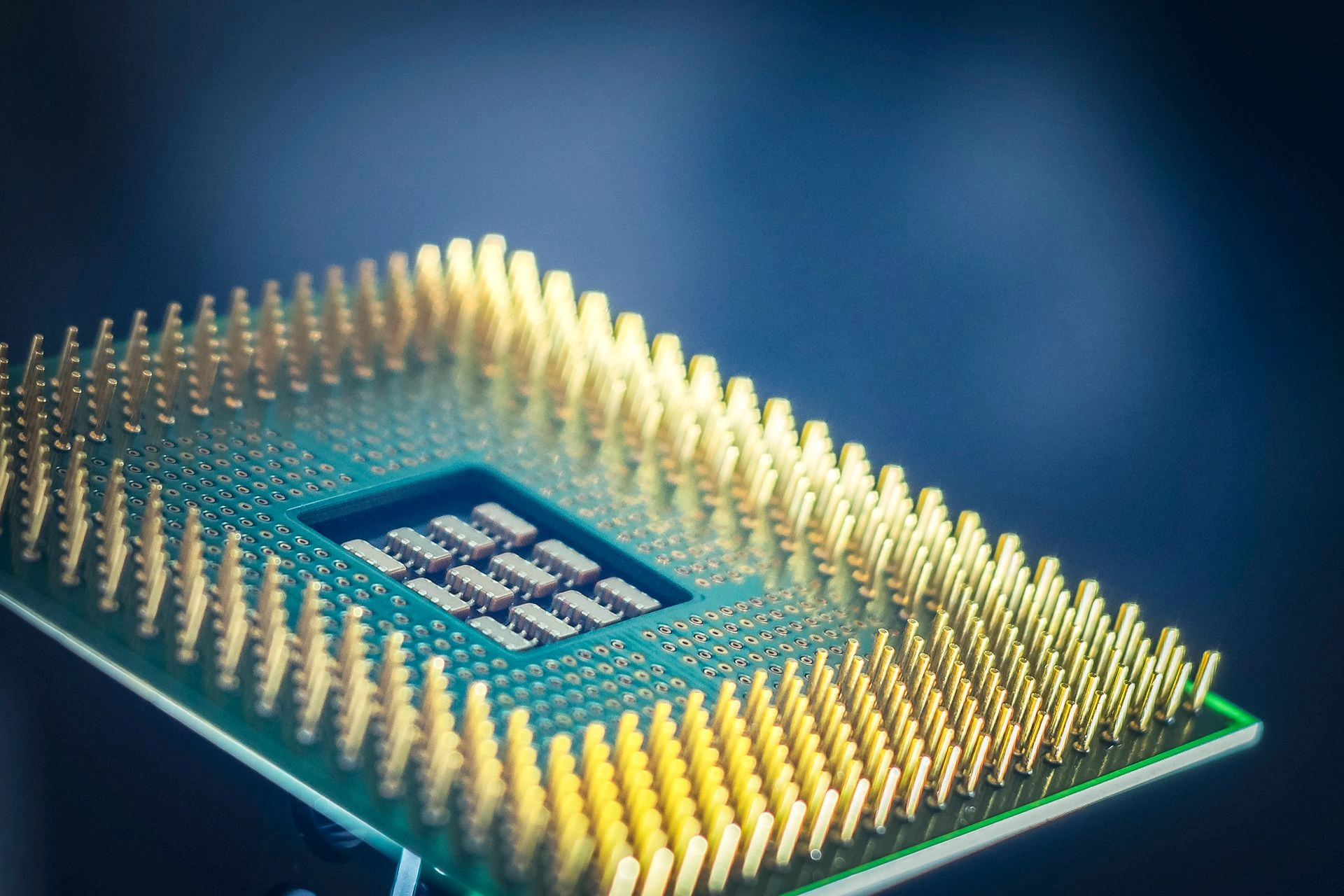
Main image: Carsten Ruthemann/Pexels
TOP STORIES
-
 Housing costs hit recruitment at 77% of large London firms, survey finds
 -
SpaceX to launch one-tonne orbital factory for European space firm in 2028
-
Estonia’s e-residents launch more than 4,200 companies as business creation jumps 36%
-
Small business bank lending falls £27bn in three years as nine-in-10 areas see decline
-
Europe’s healthcare sector lags on AI uptake – but leads once it starts using it
-
Stranded drivers could soon call for help even with no mobile signal
-
NASA backs space ‘air brake’ that could cut years off missions to Uranus and Neptune
-
MPs and peers call for UK ban on AI that could evade human control
-
France orders €1.3bn in extra cuts as growth falls behind European neighbours
-
Bioweapons research, Russian-linked spies, guided rockets and cyber-attacks on Europe used Claude AI, Anthropic reveals
-
Cadbury Takes a Break as KitKat tops Britain’s social media sweet rankings
-
European network alliance doubles in size as digital sovereignty drive accelerates
-
European insurance giants join New York summit on future of AI
-
Oxford leads £10m international study as resistance threatens new TB treatments
-
Inside the world’s wildest new mini golf course with caves, 13ft waterfalls… and sharks
-
Apple’s new boss bets £1,999 on first folding iPhone
-
‘Double delight’ as rare red pandas born at Whipsnade Zoo
-
This Japanese ski resort has just been named the world’s best place for seasonal work
-
Nearly 4m Londoners experienced mental health challenges last year, study finds
-
Card fraud accounts for more than one-in-three UK identity fraud cases
-
Breast cancer campaigners target Burnham at PMQs over £20m research fund
-
Europe leads world in quantum research despite deep industry scepticism
-
Australia plans social media algorithm ‘off switch’ in move Europe could follow
-
European central banks move gold out of U.S as 'geopolitical risks' mount
-
Volkswagen plans another 50,000 job cuts in sweeping overhaul