
Bleisure Travel: The Rise Of Mixing Business With Pleasure

John E. Kaye
- Published
- MICE
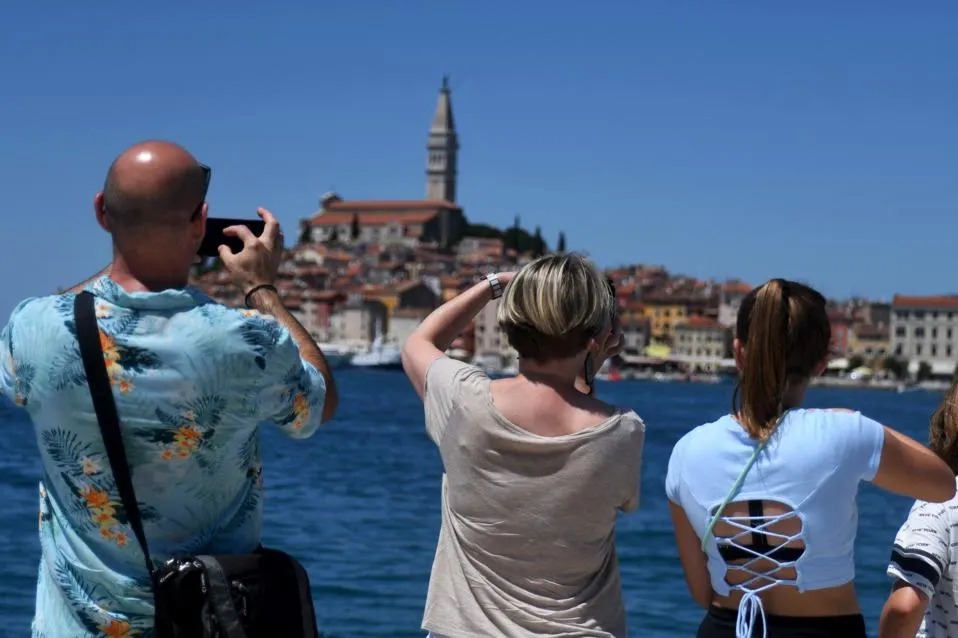
The concept of a “‘workcation,” in which people travel to a vacation destination but work while on the trip in order to save paid time off, has been around for many years. However, “bleisure” – which merges the words leisure and business – adds extra days at the beginning or end of a business trip, thereby offering employees some additional rest and relaxation before or after diving into work.
Bleisure trips became very popular a few years ago after travel restrictions were lifted and a growing number of workers started returning to business trips. Often wanting to take their loved ones with them for a respite from the isolation everyone had been subjected to, these trips evolved into hybrids of work and pleasure.
Chrisy Ranallo, Director of Sales & Marketing at Skytop Lodge in the Pocono Mountains of northeast Pennsylvania, hosts many bleisure travelers. She explains, “Many business events have a full itinerary in a conference room setting, so they have not been able to explore the 5,500 acres and everything we have to offer. We often get requests for the group guests to extend their stays and invite their families for the weekend, since we are an easy two hour drive from Philadelphia, New York and New Jersey. Our resort offers an array of summer activities and breathtaking views for unwinding.”
Research indicates that nearly half of American workers now embrace the concept of bleisure travel, and bleisure trips currently reach a worldwide market value of nearly $600 billion. Research indicates this market is expected to grow by around 500% or more over the next decade.
According to Routespring, a top-rated travel management platform that caters to the growing bleisure travel market, around 40% of business trips are extended for bleisure travel. Bleisure trips have seen significant growth in the last decade, with estimates suggesting a 20% increase from 2016. This trend has continued to accelerate, driven by factors like changing work dynamics, the desire for more personal and work balance and the relative affordability of adding personal time to business trips. Popular forms of bleisure travel include:
- City breaks: Extending a business trip to a major city to explore its cultural attractions, museums.
- Adventure travel: Combining a work conference in a scenic location with outdoor activities like hiking, skiing, or water sports.
- Visiting friends and family: Using a work trip to catch up with loved ones in a different city or country.
- Relaxation getaways: Adding a few days to a business trip to unwind at a resort or spa.
TOP STORIES
-
 Who governs the governors of AI?
 -
It’s time to set the wheels in motion to fix Britain’s broken wheelchair system
-
AI could make it easier for citizens to have their say, study finds
-
Hidden workplace chemical risks come under spotlight as experts turn to skin exposure
-
Cyber attack hits Manchester, Stansted and East Midlands airports as customer data stolen
-
Fuel management software is becoming a working-capital tool for smaller fleet businesses
-
Tokenisation, trust and the future of European property law
-
New global map reveals 800 businesses trying to cut plastic waste
-
LEGO sales soar 22% amid World Cup, F1 and Star Wars push
-
What capitalism can learn from a British monk promoted at 68
-
Diving into… Northern Italy
-
Japan switches on its first full-stack neutral-atom quantum computer
-
A leadership model for the Golden Age
-
Gozo at working pace: Malta’s low-key answer to remote life
-
Britons flock to Greece as tourist numbers jump 15%
-
Sudan’s children get $22m education lifeline ahead of Geneva funding conference
-
Robot beats Usain Bolt’s 100m record at Beijing games
-
Royal Mail posts another target miss
-
New AI master’s aims to turn non-tech graduates into business leaders
-
Winter in paradise: the best time to see Mauritius
-
New direct flights from Paris and Athens open easier route to Alaska
-
Robots that work, play and even tackle the laundry go on show in Beijing
-
Six young sea eagles released on Exmoor after 200-year absence
-
Why entrepreneurs choose the wrong countries
-
More than half of US travellers now use AI to plan holidays





Bleisure Travel: The Rise Of Mixing Business With Pleasure
John E. Kaye
- Published
- MICE
The concept of a “‘workcation,” in which people travel to a vacation destination but work while on the trip in order to save paid time off, has been around for many years. However, “bleisure” – which merges the words leisure and business – adds extra days at the beginning or end of a business trip, thereby offering employees some additional rest and relaxation before or after diving into work.
Bleisure trips became very popular a few years ago after travel restrictions were lifted and a growing number of workers started returning to business trips. Often wanting to take their loved ones with them for a respite from the isolation everyone had been subjected to, these trips evolved into hybrids of work and pleasure.
Chrisy Ranallo, Director of Sales & Marketing at Skytop Lodge in the Pocono Mountains of northeast Pennsylvania, hosts many bleisure travelers. She explains, “Many business events have a full itinerary in a conference room setting, so they have not been able to explore the 5,500 acres and everything we have to offer. We often get requests for the group guests to extend their stays and invite their families for the weekend, since we are an easy two hour drive from Philadelphia, New York and New Jersey. Our resort offers an array of summer activities and breathtaking views for unwinding.”
Research indicates that nearly half of American workers now embrace the concept of bleisure travel, and bleisure trips currently reach a worldwide market value of nearly $600 billion. Research indicates this market is expected to grow by around 500% or more over the next decade.
According to Routespring, a top-rated travel management platform that caters to the growing bleisure travel market, around 40% of business trips are extended for bleisure travel. Bleisure trips have seen significant growth in the last decade, with estimates suggesting a 20% increase from 2016. This trend has continued to accelerate, driven by factors like changing work dynamics, the desire for more personal and work balance and the relative affordability of adding personal time to business trips. Popular forms of bleisure travel include:
- City breaks: Extending a business trip to a major city to explore its cultural attractions, museums.
- Adventure travel: Combining a work conference in a scenic location with outdoor activities like hiking, skiing, or water sports.
- Visiting friends and family: Using a work trip to catch up with loved ones in a different city or country.
- Relaxation getaways: Adding a few days to a business trip to unwind at a resort or spa.
TOP STORIES
-
Who governs the governors of AI?
-
It’s time to set the wheels in motion to fix Britain’s broken wheelchair system
-
AI could make it easier for citizens to have their say, study finds
-
Hidden workplace chemical risks come under spotlight as experts turn to skin exposure
-
Cyber attack hits Manchester, Stansted and East Midlands airports as customer data stolen
-
Fuel management software is becoming a working-capital tool for smaller fleet businesses
-
Tokenisation, trust and the future of European property law
-
New global map reveals 800 businesses trying to cut plastic waste
-
LEGO sales soar 22% amid World Cup, F1 and Star Wars push
-
What capitalism can learn from a British monk promoted at 68
-
Diving into… Northern Italy
-
Japan switches on its first full-stack neutral-atom quantum computer
-
A leadership model for the Golden Age
-
Gozo at working pace: Malta’s low-key answer to remote life
-
Britons flock to Greece as tourist numbers jump 15%
-
Sudan’s children get $22m education lifeline ahead of Geneva funding conference
-
Robot beats Usain Bolt’s 100m record at Beijing games
-
Royal Mail posts another target miss
-
New AI master’s aims to turn non-tech graduates into business leaders
-
Winter in paradise: the best time to see Mauritius
-
New direct flights from Paris and Athens open easier route to Alaska
-
Robots that work, play and even tackle the laundry go on show in Beijing
-
Six young sea eagles released on Exmoor after 200-year absence
-
Why entrepreneurs choose the wrong countries
-
More than half of US travellers now use AI to plan holidays



