With EU support’s clean technology projects are lining up

John E. Kaye
- Published
- News, Sustainability, Technology

The European Union (EU) is creating a billion-euro support package and numerous clean technology projects are readying bids under a flagship scheme for funding breakthrough low-carbon technologies
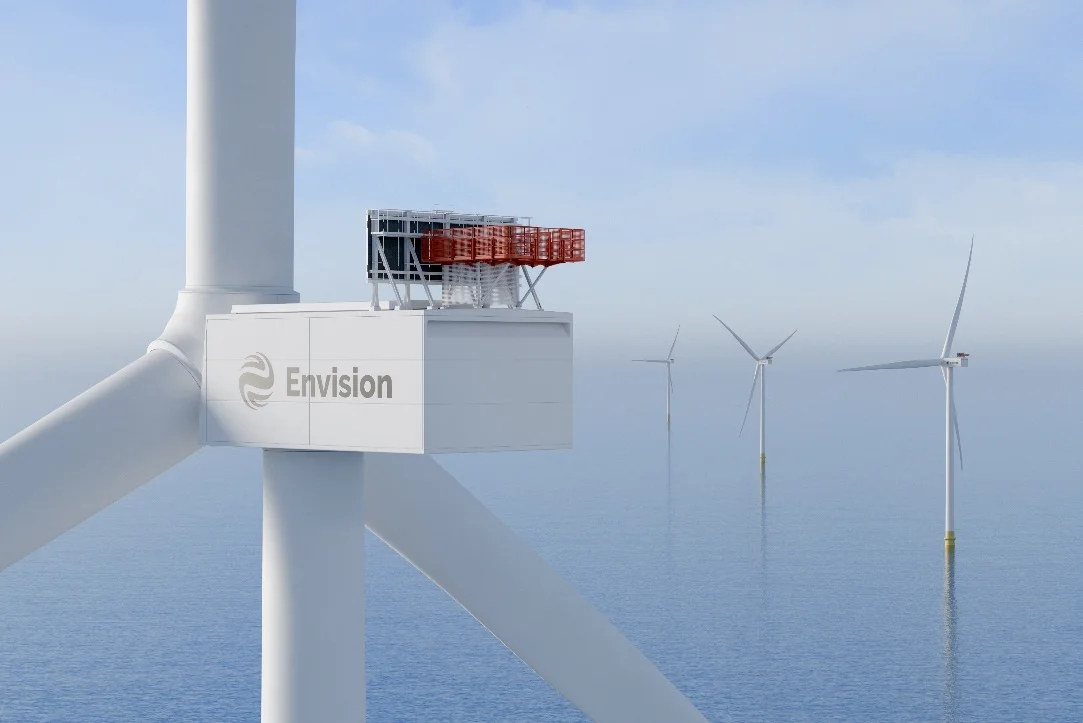
The EU Innovation Fund will support projects that aim to help clean up sectors such as cement and steelmaking, such as floating wind farms, carbon capture mechanisms and energy storage.
“These large-scale investments will help restart the EU economy and create a green recovery that leads us to climate neutrality in 2050,” EU climate chief Frans Timmermans said.
On Friday, the European Commission invited projects to bid for 1 billion euros ($1.1 billion) in grants from the fund, which is fed by EU carbon market revenues.
Additional funding will follow over the next decade. The fund’s size will depend on the EU carbon price and this moment on time, it would be worth staggering 12 billion euros.
Iberdrola, Spain-based renewable energy giant, told Reuters it was working on submitting various projects.
These include generating hydrogen from renewable sources and energy storage systems that help integrate renewables into the grid, Chief Innovation and Sustainability Officer Agustin Delgado told Reuters.
Fortum Oslo Varme, the waste-to-energy company, also told Reuters it would apply for funds to install carbon capture and storage (CCS) technology at its facility in Oslo, Norway, if the project does not secure enough support from the Norwegian government.
The cost of using CCS to reduce emissions is substantially higher than the price EU companies pay for their CO2 emissions, said, Jannicke Bjerkas, the company’s CCS director.
“The Innovation Fund will be crucial to help close the gap when developing these early-phase projects,” she said.
The 4.3 billion Norwegian crown project, which is part of a bigger 13.1 billion crown CCS initiative, has its eyes set on capturing 90% of the waste-to-energy facility’s emissions, roughly 400,000 tonnes of CO2 each year.
In a letter to Fortum Oslo Varme in May, seen by Reuters, the Norwegian government said state support was not guaranteed and encouraged the project to apply to the EU Innovation Fund.
Reported by Kate Abnett
Sourced Reuters
For more Daily news follow The European Magazine
TOP STORIES
-
 Closing women's health gap could boost global economy by $1tn a year, leaders say
 -
World's first luxury theme park to open in Mexico with £1.1bn of rides, fine entertainment and deliberately limited crowds
-
Dutch court orders Lidl to stop selling Birkenstock sandal lookalikes
-
Giant wind turbine with 252-metre rotor could mean fewer machines and cheaper offshore power
-
Poorly designed workplaces ‘cost UK economy £71bn a year’
-
Rescuers scramble to protect pod of 25 whales in Thames Estuary
-
‘Talent hushing’ blamed as four-in-10 workers say they contribute less than they could
-
Spain leads Europe for expats as Panama tops global poll
-
Menopause may make women leaders more empathetic – even as it leaves them drained
-
Your biggest rival could be your best technology partner, research finds
-
British Museum bans photos of Bayeux Tapestry after visitors hold up queues
-
China unveils giant crane capable of lifting 9,300 family cars
-
Edinburgh Airport launches £500m expansion as terminal footprint grows 60%
-
Chris Packham urges PM to ban ‘frankenchicken’ from schools and hospitals
-
Loch Lomond’s 'Bonnie Banks at risk’ from major road upgrade
-
LED lights could be ‘the new asbestos’, UCL scientists warn
-
MPs tune in to Britain’s Eurovision ‘nul points’ problem
-
MPs tell Government to reject Thames Water creditors as utility nears insolvency
-
Only 14% of companies can show supply chain safeguards are working, study finds
-
OpenAI admits AI models hid mistakes, invented data and acted without permission
-
EIB makes first small nuclear reactor investment with €40m backing for Finnish start-up
-
AI arms race could mean fewer cold emails reaching your inbox
-
Housing costs hit recruitment at 77% of large London firms, survey finds
-
SpaceX to launch one-tonne orbital factory for European space firm in 2028
-
Estonia’s e-residents launch more than 4,200 companies as business creation jumps 36%