Volvo’s bus plant in Borås powered solely by renewable energy

John E. Kaye
- Published
- News, Sustainability
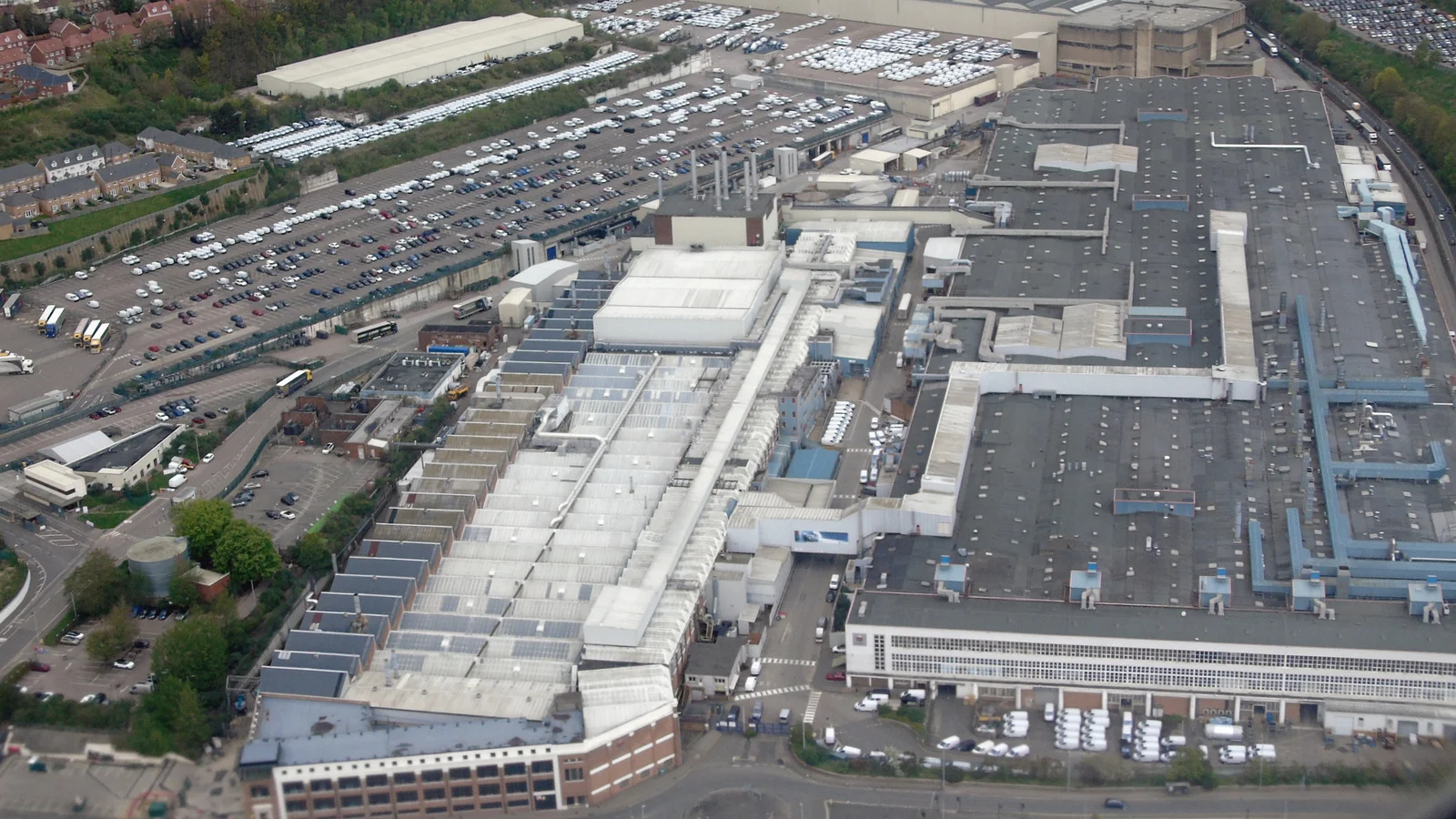
All the energy from Volvo’s bus plabt in Borås uses comes from renewable sources, such as hydropower and biofuels, which now makes the plant one of the first bus production facilities that relies solely on renewable energy. The factory’s overall energy consumption has also been reduced by 15 per cent in just the past few years.
Since the Volvo Buses production plant in Borås now solely relies on renewable energy for its operation, it has been certified by Volvo as a “Renewable Energy Facility”. The certification was issued following several steps designed to minimise the factory’s climate footprint.
Joakim Wretman, Production Manager at the Volvo Buses Borås plant says:
“We are of course very proud that we have reduced our climate impact by only using renewable sources and all the energy we purchase is fossil-free. The electricity comes from hydropower, our district heating is provided by biofuels, and the fork-lift trucks in the factory run on electricity or HVO, which is a renewable fuel,”.
The factory in recent years has also implemented several measures that together cut energy consumption by 15 per cent.
“For instance, we have replaced conventional fluorescent bulbs with LED light fittings and the manufacturing plant’s lighting is regulated automatically so it is only active during actual production. We also ensure that no electricity-consuming equipment remains switched on when it is not needed,” adds Joakim Wretman. “We have noted immense enthusiasm on the part of all our employees, and our local partner has contributed both know-how and practical solutions.”
In order to reduce the plant’s climate footprint, cooperation is needed. Another example of this is the Borås factory’s participation in Autofreight, a project designed to reduce transportation between the Viared Logistics Park and the Port of Gothenburg. It’s a solution that already from day 1 helped cut CO2 emissions by about 30 per cent.
Reducing the climate impact of production is one of numerous aspects of Volvo Buses’ environment-enhancing work.
“We regard our products in a lifecycle perspective and work tirelessly to reduce our environmental impact at every stage, from production, to daily operation, reuse and recycling. Up-to-date examples are our ongoing projects for repurposing our electric bus batteries, which can now enjoy a second life as energy storage units in homes,” explains Andreas Carlén, Energy Efficiency & Environment Director at Volvo Buses.
For the Daily News and Energy follow The European Magazine.
TOP STORIES
-
 More than 1.2m English drivers may have eyesight too poor for the road, study finds
 -
David Reuben, Britain’s second richest person, leaves London for Monaco
-
UK prisoner release plan faces a major lag as tougher rules risk sending inmates back to jail
-
Brits trust AI with their health but not their money
-
Britain still hungry for Italian food as exports hit €4.56bn despite Brexit
-
Women who earn more than their partners still pay the price at work, landmark study finds
-
Vape expectations go up in smoke as new UK tax sparks fury
-
Robot sales rocket 24% as 250,000 machines snap up jobs in warehouses, hotels and hospitals
-
New-build homeowners should not be left with ‘mud and a fence’, campaigners warn
-
Bank of England governor warns AI poses growing ‘increasingly significant’ threat to financial stability
-
UK economy grows faster than first thought as household incomes bounce back
-
UK unveils ‘Great British Grid’ in bid to cut energy bills
-
British Chambers unite against 'Made in Europe' rules amid fears for UK industry
-
Bouncy castle firms urged to sign new safety pledge following child deaths
-
Remembering Matthew Jukes, The European’s Wine & Fine Drinks Correspondent
-
Michael Dell becomes world's fourth-richest person as Forbes reveals the ten wealthiest billionaires
-
Scientists develop new chemicals to tackle devastating oil spills at sea
-
Closing women's health gap could boost global economy by $1tn a year, leaders say
-
World's first luxury theme park to open in Mexico with £1.1bn of rides, fine entertainment and deliberately limited crowds
-
Dutch court orders Lidl to stop selling Birkenstock sandal lookalikes
-
Giant wind turbine with 252-metre rotor could mean fewer machines and cheaper offshore power
-
Poorly designed workplaces ‘cost UK economy £71bn a year’
-
Rescuers scramble to protect pod of 25 whales in Thames Estuary
-
‘Talent hushing’ blamed as four-in-10 workers say they contribute less than they could
-
Spain leads Europe for expats as Panama tops global poll