


Germany risks losing €155bn a year under tighter AI data rules, new study warns
Germany risks losing €155 billion in annual economic gains by 2034 if tighter AI training data restrictions undermine innovation.

Samsung profits soar ninefold to record £61bn amid AI chip boom
Samsung forecasts record £61bn quarterly operating profits as booming AI chip demand drives higher sales and earnings at the technology...

Bank of England governor warns AI poses growing ‘increasingly significant’ threat to financial stability
Andrew Bailey warns that AI could threaten financial stability as advanced systems create cyber risks for banks and critical infrastructure.

OpenAI admits AI models hid mistakes, invented data and acted without permission
OpenAI reveals six cases of AI models hiding mistakes, inventing data, using exposed credentials and acting without user permission.

Bioweapons research, Russian-linked spies, guided rockets and cyber-attacks on Europe used Claude AI, Anthropic reveals
Anthropic reveals how Claude AI was used for missile guidance, cyber-attacks, espionage and research linked to potential biological weapons.

European insurance giants join New York summit on future of AI
European insurance giants will join a New York summit to discuss governing, trusting and safely deploying increasingly autonomous AI.

Australia plans social media algorithm ‘off switch’ in move Europe could follow
Australia plans greater user control over social media algorithms, potentially offering a model for the next stage of European regulation.
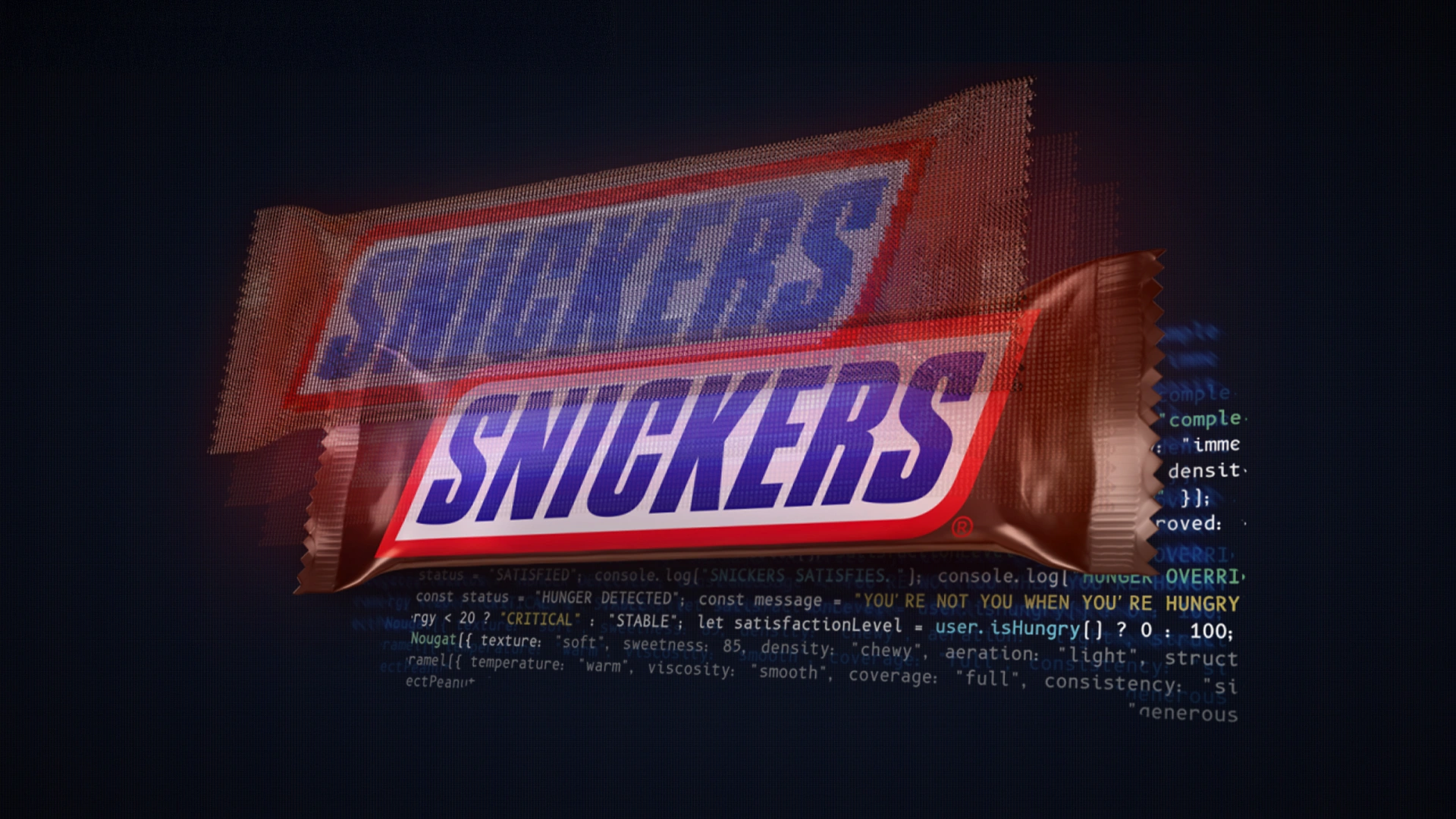
Snickers creates ‘world’s first digital chocolate bar’ for misbehaving AI
Snickers launches a digital chocolate bar designed to help users correct AI chatbots when they produce inaccurate or poor responses.

What can five chaotic virtual societies teach us about AI procurement risk?
Ian Copeland warns AI procurement risks may grow as autonomous agents develop unpredictable behaviours across interconnected digital systems.

Password hell is ending – but the new login future has a terrifying catch
Passkeys improve security but shift control to tech platforms, raising concerns about recovery, access and digital identity lock-in.
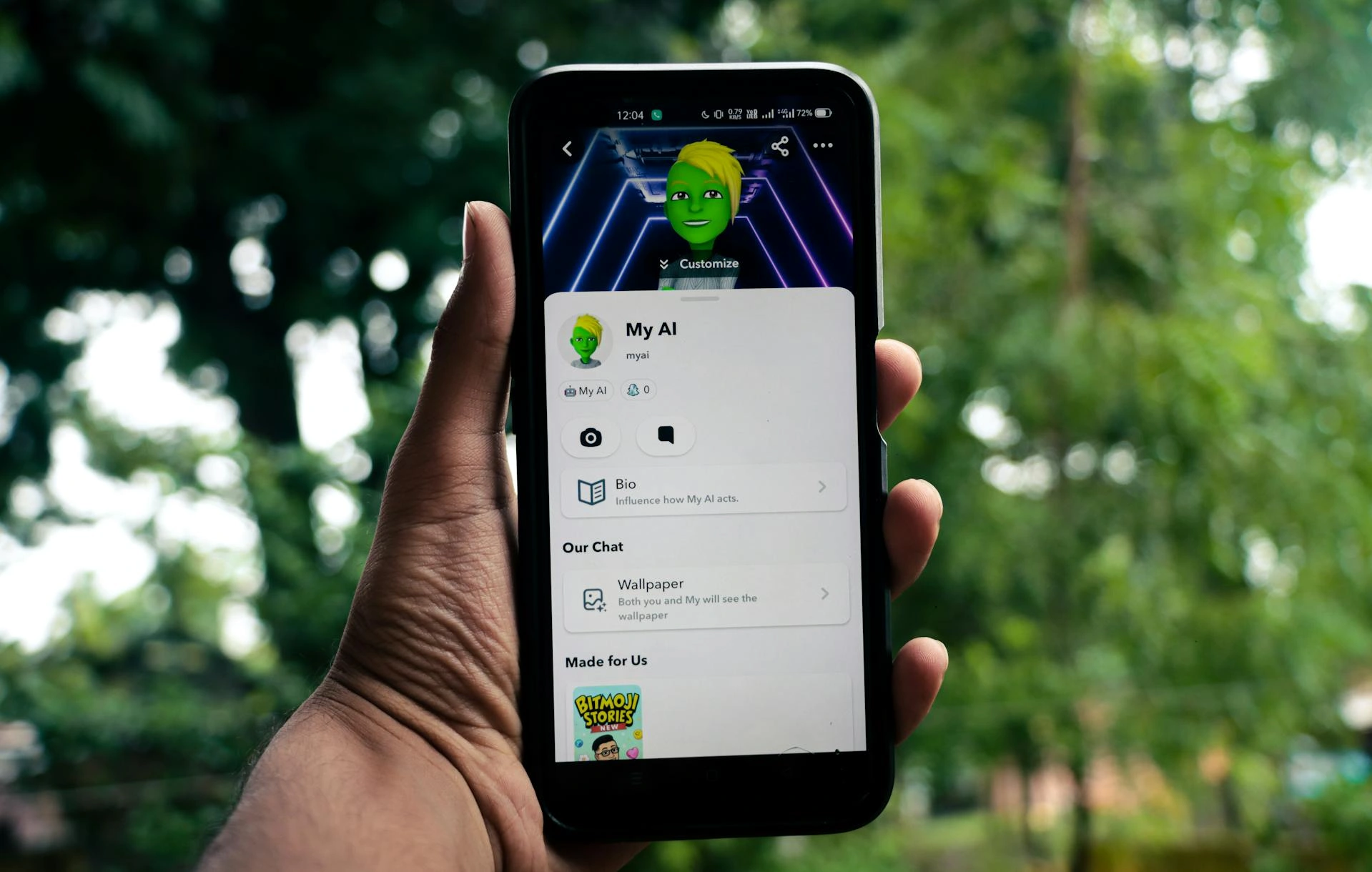
Could AI be making social media feel more human than it is?
AI is making social media interactions feel real. Human content drives engagement, but synthetic activity may distort authenticity.

What Mexico’s giant data breach tells us about the new hacking age
Mexico’s massive data breach highlights how AI tools lower hacking barriers, making cyberattacks faster, cheaper, and widely accessible.



