A growing backlash against Diversity, Equity, and Inclusion (DEI) policies has seen several British companies remove ethnic minority quotas in recent months. Ironically, this could be the shake-up that workplace equality in the UK desperately needs, writes Buki Mosaku
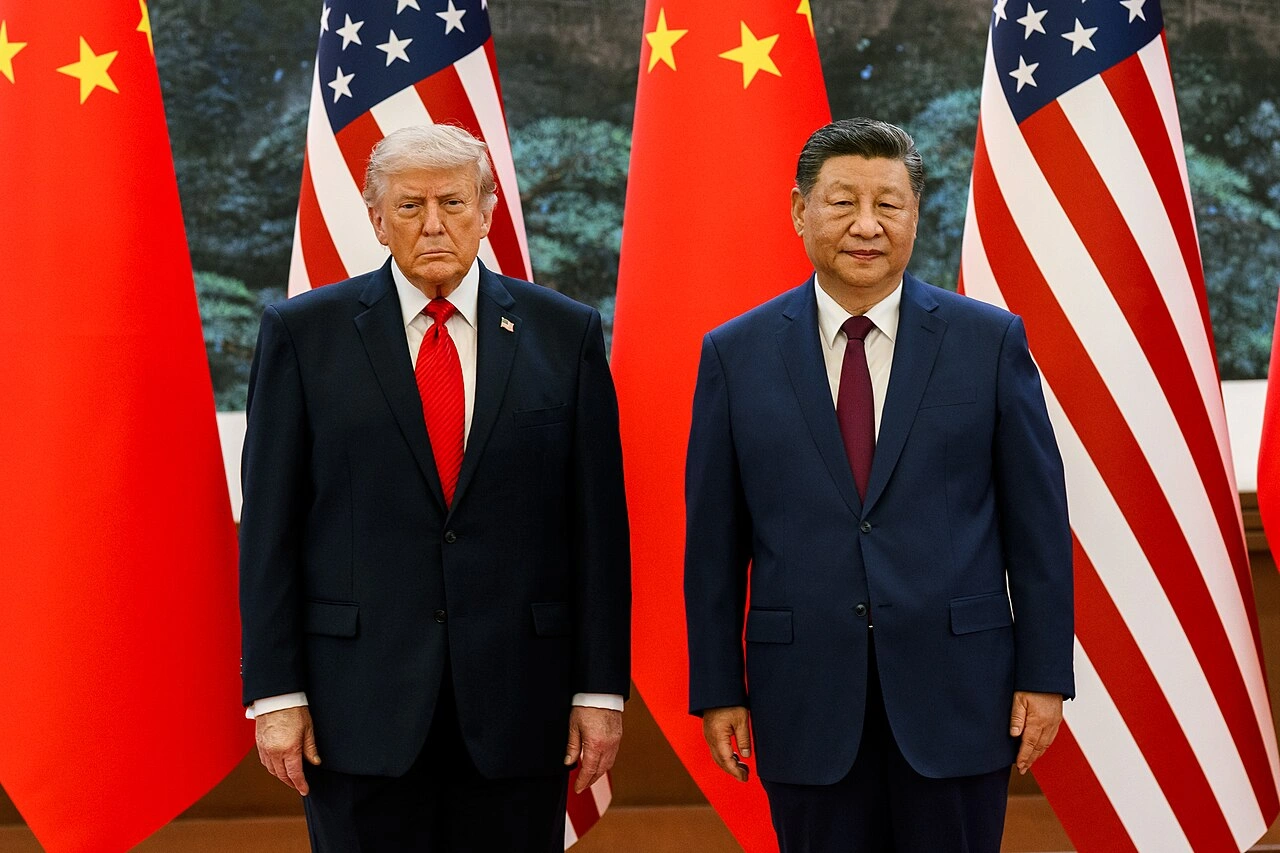
In the wake of President Trump’s move to dismantle Diversity, Equity, and Inclusion (DEI) initiatives within federal government, there has been a ripple effect within Britain’s private and public sectors.
UK companies including BlackRock, Citigroup and Goldman Sachs are just three of the many businesses which have reportedly reeled back on their diversity goals, removing diversity quotas. Likewise, in government, we have seen the dial moving the other way.
This has been exemplified most recently by Wes Streeting, the Secretary of State for Health and Social Care, who has suddenly questioned DEI policies that Labour previously championed while in opposition.
While these developments have been denounced by many ethnic minority leaders, the backlash against DEI is unsurprising, because for years the standard approach to addressing inequalities in the workplace has been misguided.
Having been invited into hundreds of companies over the last two decades to provide bias navigation training, I have seen the same problem time and again. Many DEI initiatives have been underpinned by a narrative of, as I call it, ‘Guilty Perpetrator vs Hapless Victim.’ In other words, these DEI efforts have seemingly demonised all white bosses as inherently biased and inequitable, while portraying minority employees – particularly ethnic minorities – as powerless victims within an unfair system designed to hold them back. This oversimplified, divisive and extreme perspective only encourages an ‘Us Vs Them’ mentality that was always bound to provoke a reaction sooner or later, just like Newton’s Third Law tells us that every action has an equal and opposite reaction.
The resulting tensions have been simmering beneath the surface within offices and homes for a long time but have now been seized upon by politicians as a vote-winning strategy. Streeting’s position is, no doubt, just another attempt to boost the government’s dwindling popularity among a broader electorate.
However, if we take an objective approach, there is a silver lining to this backlash. While I do not advocate for the wholesale abandonment of DEI in the workplace, there is undoubtedly room for improvement.
The truth is that organisations have become overly reliant on quotas as the primary mechanism for increasing diverse representation in the workforce. While quotas may help in the short term, they don’t in the long term. If they did, how do we account for the glaring lack of ethnic minority staff on company boards?
DEIs fail to address the root cause of underrepresentation: prejudice is hardwired into the human brain. Regardless of extensive DEI training, white business leaders will frequently lapse into prejudicial opinions towards black and minority staff when making decisions about their career. These prejudicial thoughts can’t be ‘trained away’ – because they are unconscious.
So DEI initiatives actually do little to help the white majority and neither do they equip ethnic minority employees with the skills necessary to navigate career-stifling workplace bias when they encounter it. This bias, unspoken but everywhere, remains a significant factor preventing them from progressing into senior and high-profile corporate roles.
Rather than focusing solely on numerical targets, as per the quota system, organisations should place greater emphasis on collaborative and inclusive strategies that address career-stifling bias in the workplace. By doing so, they can create an environment where diverse talent can progress organically into leadership positions rather than being artificially placed through quota-based initiatives.
Reducing reliance on quotas does not mean ignoring representation altogether, but instead shifting towards a model that prioritises sustainable career progression by fostering an equitable workplace culture.
And to mitigate the risk of demoralisation among ethnic minority employees, organisations should focus on staff empowerment rather than segregated internal development programmes that exclusively target specific demographic groups. While these programmes may be well-intentioned, they can inadvertently reinforce a sense of ‘otherness’ and perpetuate the notion of minorities as victims rather than as equals. Businesses should integrate career development opportunities that benefit all employees while ensuring diverse talent is given equal access to advancement.
This doesn’t mean that efforts to overcoming bias in the workplace should fall solely upon the shoulders of minorities. White leaders and managers must also be equipped with the tools to challenge any misinterpretations of their actions and decisions by ethnic minority or diverse staff, particularly when it is perceived as being influenced by conscious or unconscious discrimination – an issue I refer to as ‘reverse bias.’
At the same time, all employees should be trained in bias navigation skills that help them recognise and address both the biases they experience from others and those they may, themselves, hold towards others. Rather than categorising these skills as purely DEI training, they should be reframed as essential interpersonal and professional competencies, akin to communication and leadership skills.
Embedding bias navigation skills within early career development programmes will also play a crucial role in fostering the organic progression of diverse groups. By focusing on empowerment rather than quotas, organisations can ensure that diverse talent reaches leadership positions based on merit and ability, rather than fulfilling statistical benchmarks.
The backlash against DEI presents an important opportunity to improve the failed systems of the past. Rather than abandon inclusion initiatives all together, we need to recognise why they have been so divisive and ineffective – and fix them.
It is important to acknowledge that modifying or discarding certain diversity goals does not have to mean leaving diverse staff unsupported. Instead, organisations should fill the gap left by failed DEI initiatives with strategies that build a more inclusive, meritocratic, and sustainable workforce, where diversity is a natural outcome of equal opportunity.

Buki Mosaku is the world’s leading expert on workplace bias navigation and the founder of the DiverseCity Think Tank in London. His educational programmes are used by organisations around the world to navigate all career-stifling unconscious bias in the workplace and to educate employees and employers about how to deal with race-related bias effectively.
Main image, courtesy Pexels/Werner Pfennig