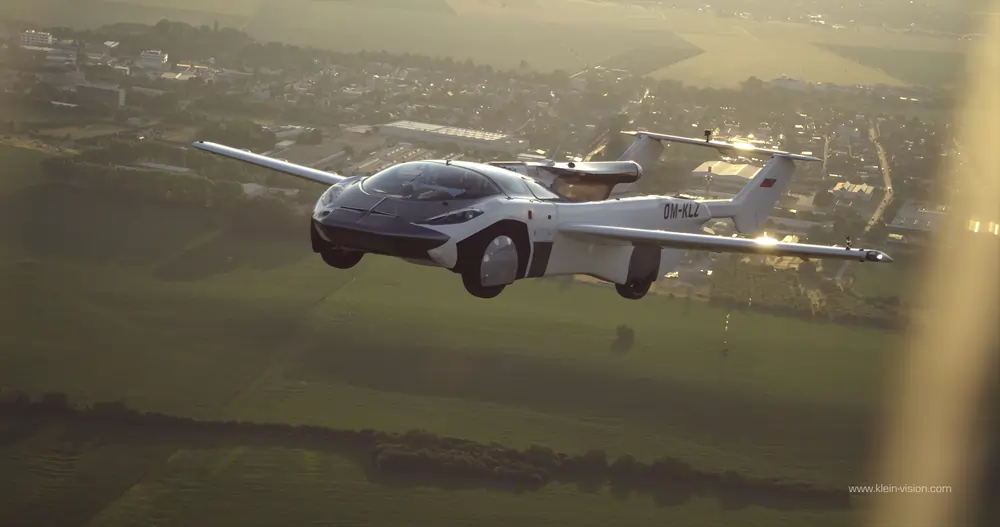
The world’s first certified flying car, which can transform into a plane in two minutes, looks set to enter mass production after the technology behind it was sold to a Chinese company.
AirCar, developed by Slovakian firm KleinVision, is a hybrid two-seater vehicle that is as much at home on the ground as it is in the air.
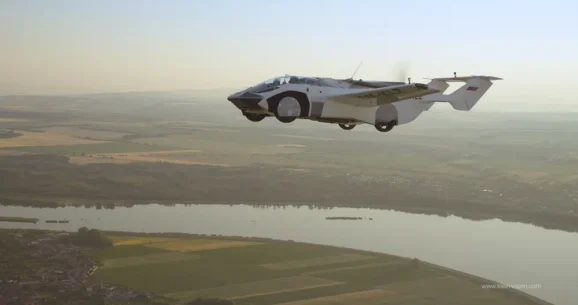
The futuristic craft can fly at an altitude of more than 8,000ft and reach air speeds of over 100mph with a range of around 1,000km.
It is powered by an efficient BMW 1.6l engine, which produces 140 horsepower, and uses regular petrol-pump fuel.
Unlike drone-taxi protypes, which can take off and land vertically, the AirCar – which has a maximum weight limit of 200kg (31 stone) – needs a 300m runway.
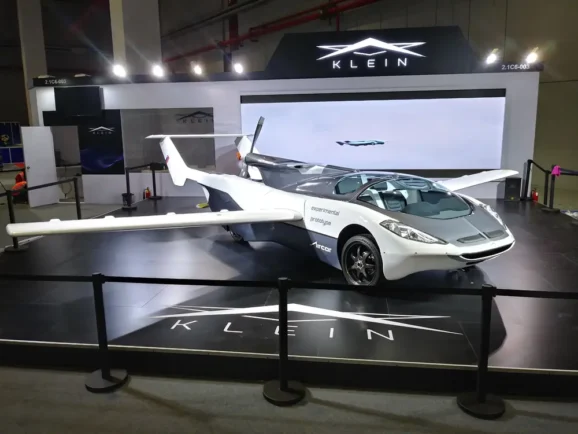
The vehicle transforms at the touch of a button in just two minutes and 15 seconds, with the wings folding down along its sides.
The AirCar has already been certified to fly in Slovakia after completing more than 200 take-offs and landings during 70 hours of flight testing to European Aviation Safety Agency (EASA) standards.
It has since been endorsed by the YouTuber Mr Beast and by the crew of Amazon Prime’s Grand Tour – Jeremy Clarkson, Richard Hammond and James May.
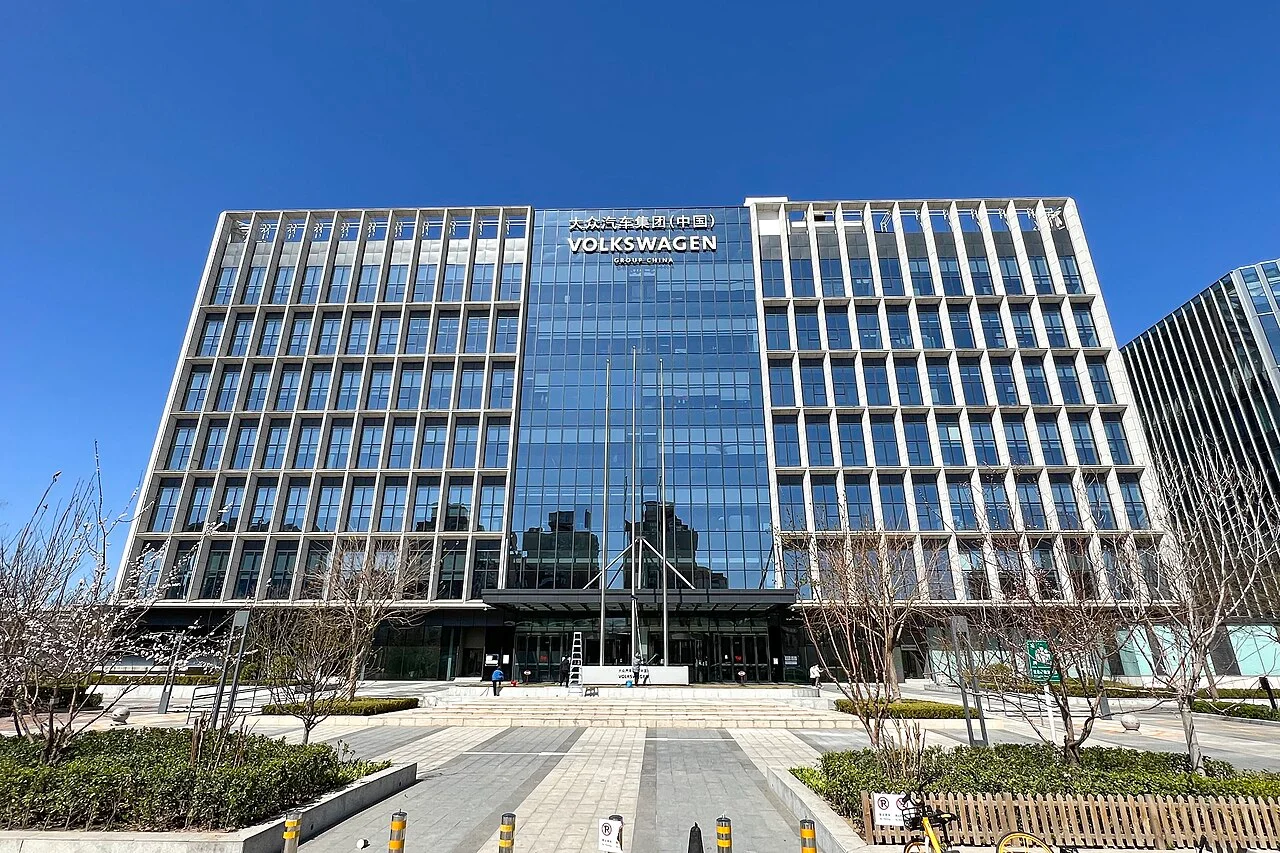
Now a “groundbreaking” deal – for an undisclosed amount – has been struck between KleinVision and Hebei Jianxin Flying Car Technology Co., LTD, that will see the vehicle go into production.
The licensing agreement grants the Chinese company exclusive rights to manufacture and distribute flying cars using KleinVision’s technology within a “specific” – yet undisclosed – geographical region.
According to KleinVision, the deal will “accelerate progress towards mass-market flying car manufacturing”.
Stefan Klein, Chairman of KleinVision’s Board, said: “We are pleased to announce the sale of the license for our certified flying car technology to the esteemed Chinese company.”
Co-founder Anton Zajac added: “This partnership represents a significant step in our mission to expand global access to revolutionary mobility solutions and drive progress in the industry.”
Elsewhere in Europe, The Dutch firm PAL-V has received an USD$80million order from Dubai for 100 of its ‘PAL-V Liberty’ flying cars.
With a flight range of 500 km and a maximum airspeed of 180 km/h, the PAL-V Liberty is set for the Middle East and African markets.
Main image © KleinVision