UPDATE: Euro zone banks’ shortfalls in loss-absorbing buffers up to $216 bln

John E. Kaye
- Published
- News
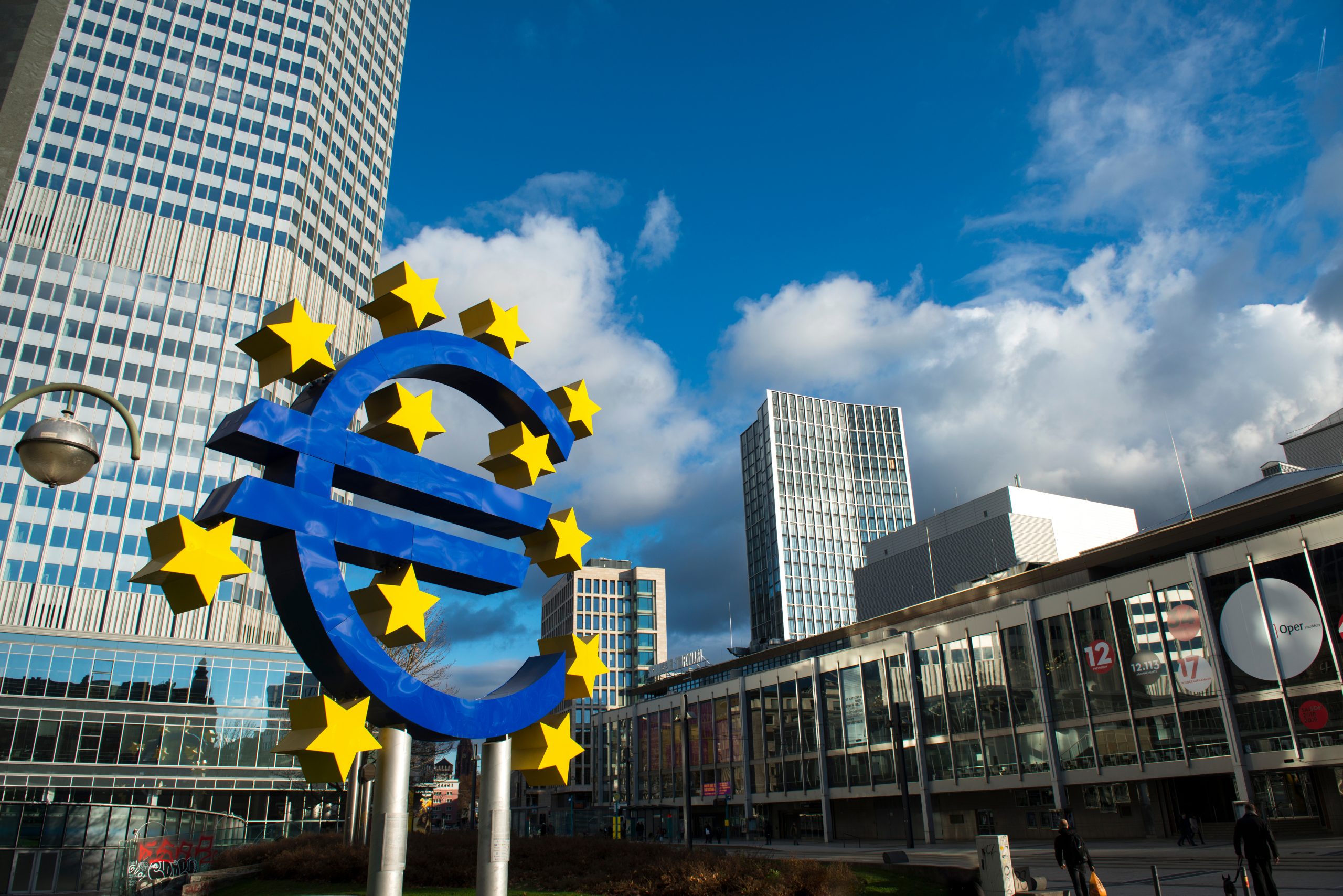
On Monday, Euro zone banks had combined shortfalls in their loss-absorbing buffers of up to 200 billion euros ($216 billions) at the end of 2018, estimates from the bloc’s banking watchdog showed.
Under international and EU banking rules, large banks must issue expensive loss-absorbing debt known as TLAC and MREL that can be converted into capital during crises. Very large systemic banks, such as Deutsche Bank or ING, are already required to meet these debt targets. The rule will kick in for other large banks from 2022.
Banks under the watch of the EU’s Single Resolution Board, the EU regulator in charge of disposing of failing lenders, have already issued 2.3 trillion euros of loss-absorbing buffers, mostly in the shape of senior unsecured and senior non-preferred debt.
However, according to SRB’s figures updated to the end of 2018 for a sample of 107 banks, to meet the overall target by 2022, they will need to issue more debt to cover a gap estimated between 150 and 200 billion euros.
In relative terms, the shortfall is estimated at less than 3% of the target, but includes up to 70 billion euros of subordinated debt which costs banks more to issue as it is more risky for creditors. The shortfall also does not include debt issued under English law, which can not be used as a loss-absorbing buffer after the Brexit transition ends in December.
In 2018 the SRB estimated the overall debt issued under English law by euro zone banks at around 100 billion euros.
The exposure to debt that may no longer be eligible as buffer is now much smaller, an EU official said.
Reported by Francesco Guarascio
Sourced Reuters
For more daily news follow The European Magazine.
TOP STORIES
-
 Britain faces higher winter energy prices as reliance on European electricity imports grows
 -
Andy Burnham to make special Gogglebox appearance for Stand Up To Cancer
-
WPSL Golf targets £120 million valuation as billionaire-backed corporate deals and other commercial deals drive explosive global growth
-
Hackers could bring Britain’s essential services to a standstill, security chief warns after global website shutdowns
-
We're talking to almost twice as many people on the phone as a decade ago, study finds
-
TalkTalk sells majority stake in Telecom Acquisitions as founder Nigel Barnett regains control
-
Company closures soar ahead of tax rises as new Budget looms
-
Russia takes control of more European corporate assets amid Ukraine tensions
-
EU leaders resist calls to delay carbon rules as energy costs soar
-
‘A big step forward’ – PM Andy Burnham hails plans for Great British Railways HQ in Derby
-
UK economy grows just 0.1 per cent as construction falls and services stall
-
Germany risks losing €155bn a year under tighter AI data rules, new study warns
-
Pope Leo XIV diagnosed with lung cancer after surgery in Rome
-
France faces freezer meltdown as hackers strike supermarket chains
-
Bumble shares soar 50% amid $1bn takeover talks
-
China slump drives Volkswagen to sharpest quarterly fall in more than four years
-
Hollywood mega-powerhouse created as Paramount completes Warner Bros Discovery takeover
-
Gamers face gridlock as latest Grand Theft Auto download 'nears two days'
-
Samsung profits soar ninefold to record £61bn amid AI chip boom
-
New Springer books put the UN’s struggling sustainability goals to the real-world test
-
Europe’s solar boom set for two-year slowdown after record growth
-
Let it pea. Musicians turn vegetables into instruments at Beatles' Abbey Road studios
-
Golden naked Trump statue unveiled at European Parliament
-
Jaguar puts controversial rebrand on the road with £130K 1,030PS Type 01
-
Deepfakes and identity fraud drive new wave of post-hire background checks