A Chinese tech firm has unveiled what could be the world’s friendliest and most reliable waiter – a robot that doesn’t get tired, can’t be offended, and will never expect a tip
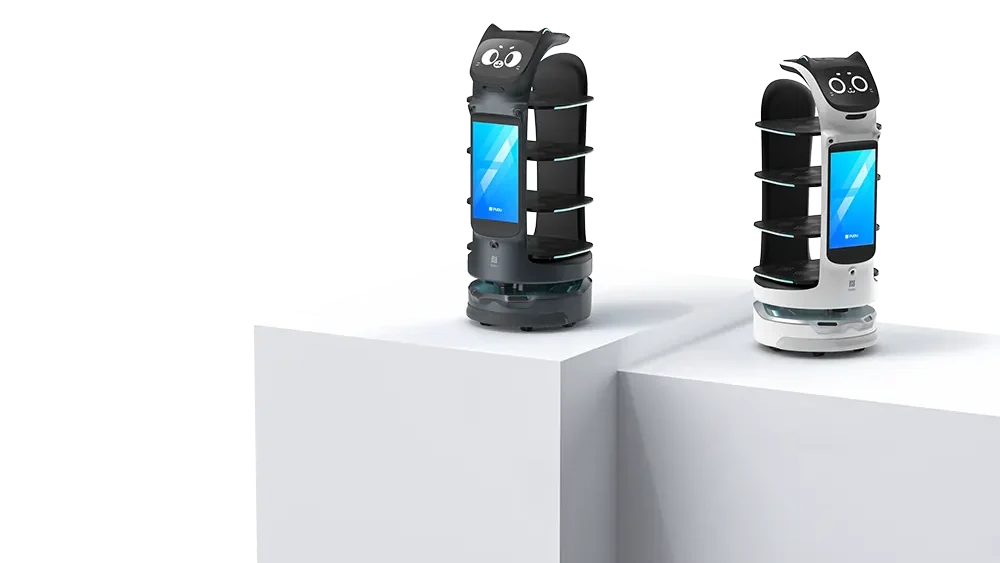
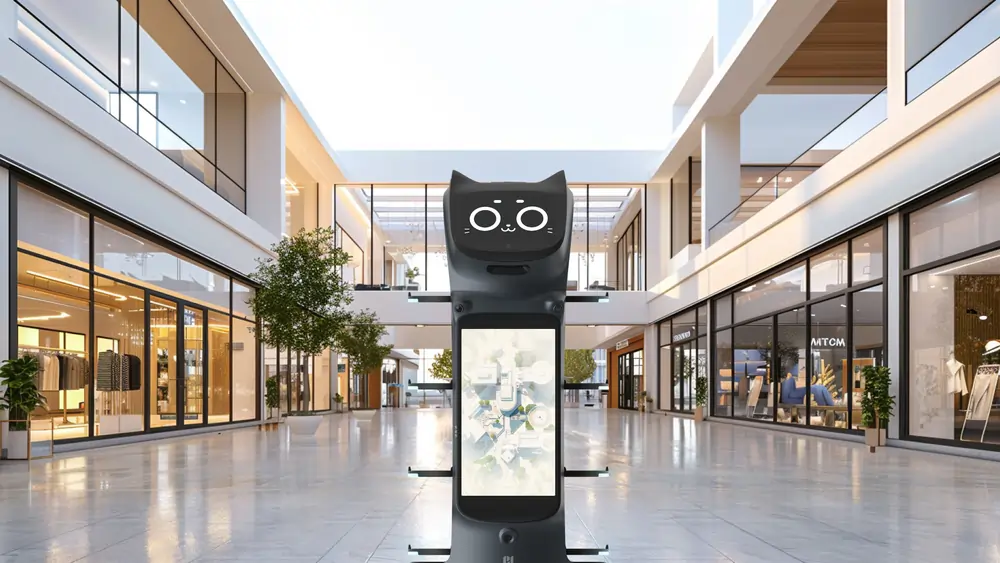
The BellaBot Pro, created by Shenzhen-based Pudu Robotics, can serve four table at once and work for 24-hour shifts without needing a break.
And it can navigate around obstacles – and the feet of hundreds of diners – without tripping up or spilling food.
The price of the robots has not yet been revealed, but they are expected to cost less than a full-time minimum wage for a human employee.
According to Pudu, service robots like BellaBot Pro improve efficiency and will become indispensable in the global hospitality industry.
Its founder and CEO Felix Zhang said: “We are at an automation and robotics tipping point across the economy.
“Pudu Robotics aims to develop robots which improve the efficiency of human production and living, and our service robots are used throughout the world.”
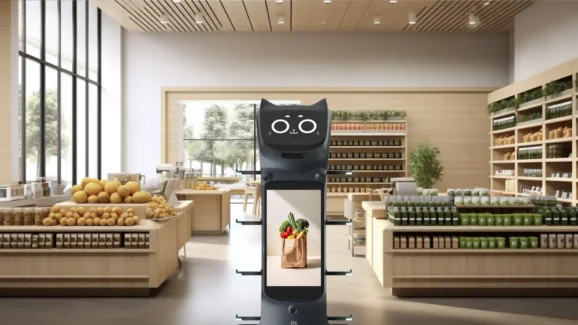
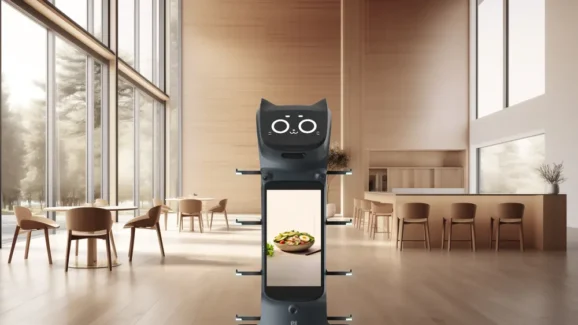
The BellaBot Pro is a cleverer, more personality-rich version than its predecessor, the BellaBot, which was first unveiled in 2020.
Both have four shelves, with human staff or customers only required to load and unload the trays they carry.
And both can work for up to 24 hours on a single five-hour battery charge, making around 400 deliveries per day.
But unlike the original version, the BellaBot Pro has more advanced technology that enables it to detect specific gestures such as waving and to respond appropriately.
It also has variety of voice settings, facial expressions, and an “adaptable skin appearance” to suit different environments, cultures and customers.
The latest version can also tell if a diner has taken their tray of food and move on to the next delivery or collection task automatically and without human input.
AI-technology also enables the robot to recognise the dishes it is carrying and give customers helpful information about their meals.
Each BellaBot Pro is equipped with omnidirectional perception, which prevents it from knocking into obstacles and spilling its cargo.
The BellaBot Pro is so cost-effective that it, and other service robots like it, could push human servers off the menu in most restaurants within a decade.
A spokesman for Pudu told The European: “While it’s challenging to predict exact timelines due to varying market dynamics and adoption rates, we share your sentiment and confidence that service robots will soon play a significant role in the global restaurant industry.
“Especially now, with the hospitality sector facing a significant labour shortage, many businesses are seeking innovative solutions, and automation through robotics is becoming an increasingly attractive option.
“Factors such as labour scarcity, the desire to enhance customer dining satisfaction and experience, improve operational efficiency, digital transformation of the industry, and technological innovation are all accelerating the adoption of service robots.”