Wall Street disconnected from reality on the ground

John E. Kaye
- Published
- News
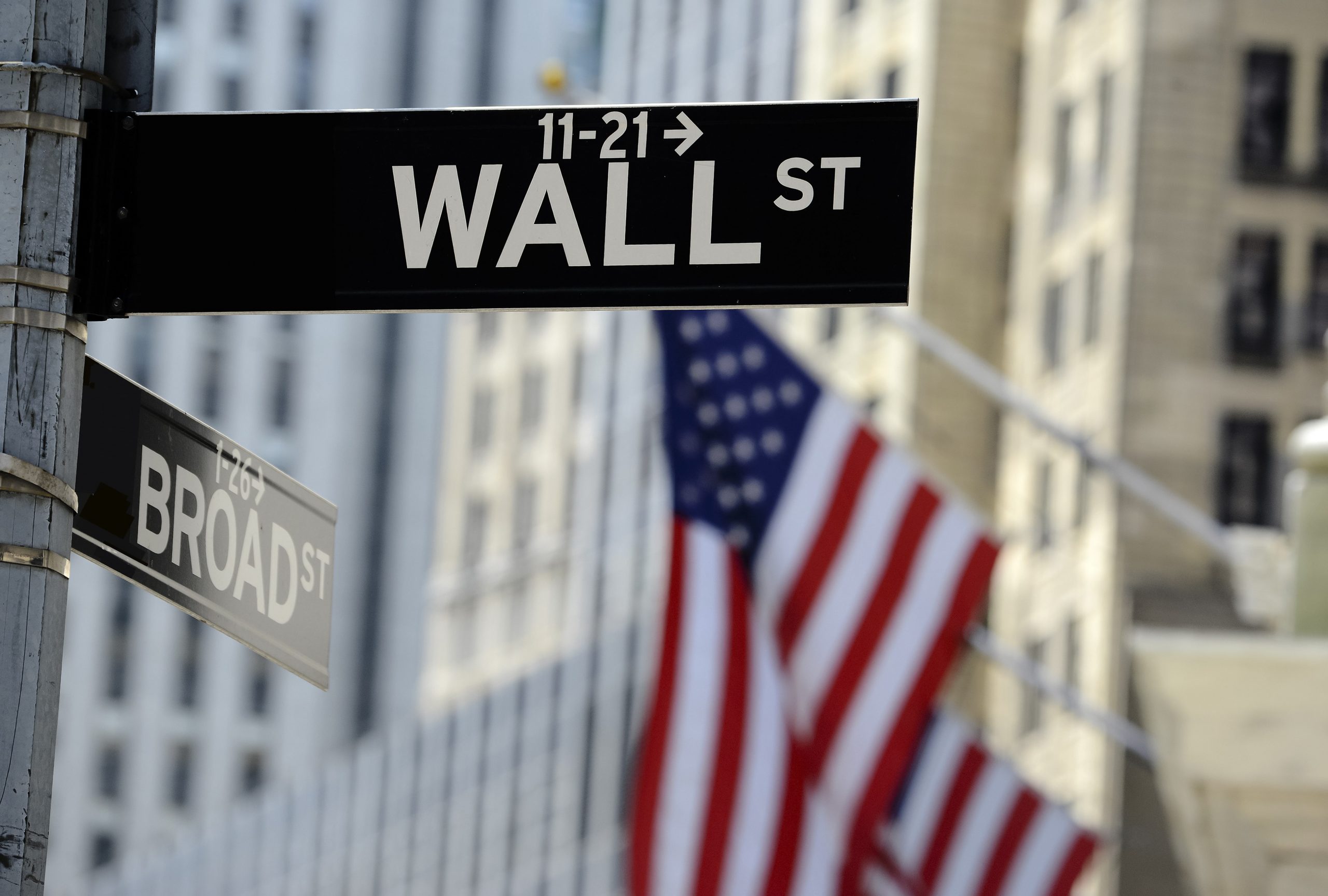
With the U.S. economy facing its potentially deepest economic decline in nearly a century, Wall Street is pulling further and further ahead from Main Street.
Trillions of dollars of fiscal and monetary stimulus to dampen the impact of the coronavirus pandemic on the U.S. economy and financial markets have sent stocks soaring off their lows, while the worst of the fallout on growth and employment has yet to be felt.
The following graphics illustrate the disconnect that has developed between the stock market and the reeling U.S. economy.
The staggering 20.5 million jobs lost in April put the U.S. unemployment rate at 14.7.
The S&P 500 tumbled more than 2% on Tuesday as investors weighed the risk of a second wave of infections against hopes for a reopening of the economy led by easing stay-at-home restrictions. Still, the benchmark has recovered around 30% since hitting March lows, even as wages decline and personal expenditures flatline.
Wall Street has also pulled far ahead of analysts’ forecasts for S&P 500 profits.
Global stocks tell the same story, with the MSCI World index recovering strongly even as global purchasing managers’ indexes decline.
The rebound on U.S. stocks has occurred even as economic indicators come in below economists’ expectations.
Dour economic news in recent weeks has been repeatedly shrugged off by investors, helping Wall Street recover from deep losses that in February ended an 11-year bull market. However, even after its rebound since March 23, the S&P 500 remains down 15% from its record high. A report from the National Federation of Independent Business on Tuesday showed small business sentiment slid in April to its lowest level since March 2013.
Small businesses are being hit disproportionately hard by prolonged shutdown, and the following graphic shows that while the survey respondents’ forward view of the economy improved, sales expectations tumbled.
A nearly 8% jump in average hourly earnings in Friday’s employment data suggests that the millions of jobs recently lost were mostly low-paying. In a potential silver lining, the data also indicated the vast majority of recent job losses were temporary rather than permanent.
“With 72% of jobs lost being reflected as temporary layoffs, workers should be able to be more seamlessly rehired as the economy reopens. But the longer this pandemic goes on, the more likely that what was temporary becomes permanent,” BofA Global Research analysts warned in a research note.
Recent data also shows the prime-age workforce is shrinking because of the pandemic, with women taking the biggest hit.
While many investors are optimistic about the timeline for a U.S. economic recovery, others remain more cautious about how quickly the economy will return to normal, and about whether the worst is over on Wall Street.
The recent disconnection between economic data and the direction of the stock market reflects broad uncertainty about short-term effects of the coronavirus-related lockdown and investors’ willingness to bet the economy will begin to bounce back as quarantines are lifted in stages across the country.
“My big worry for the market is we have a potential weak spot coming for the market in late May or mid-June because there is going to be this anxiousness that everything should pick up right away,” said JJ Kinahan, chief market strategist at TD Ameritrade in Chicago. “Right now, we are trading a lot on optimism, let’s be honest. Optimism meeting reality is what is going to happen there.”
Reported by Noel Randewich
Sourced Reuters
For more Banking & Finance and Daily news follow The European Magazine
TOP STORIES
-
 Russia takes control of more European corporate assets amid Ukraine tensions
 -
EU leaders resist calls to delay carbon rules as energy costs soar
-
‘A big step forward’ – PM Andy Burnham hails plans for Great British Railways HQ in Derby
-
UK economy grows just 0.1 per cent as construction falls and services stall
-
Germany risks losing €155bn a year under tighter AI data rules, new study warns
-
Pope Leo XIV diagnosed with lung cancer after surgery in Rome
-
France faces freezer meltdown as hackers strike supermarket chains
-
Bumble shares soar 50% amid $1bn takeover talks
-
China slump drives Volkswagen to sharpest quarterly fall in more than four years
-
Hollywood mega-powerhouse created as Paramount completes Warner Bros Discovery takeover
-
Gamers face gridlock as latest Grand Theft Auto download 'nears two days'
-
Samsung profits soar ninefold to record £61bn amid AI chip boom
-
New Springer books put the UN’s struggling sustainability goals to the real-world test
-
Europe’s solar boom set for two-year slowdown after record growth
-
Let it pea. Musicians turn vegetables into instruments at Beatles' Abbey Road studios
-
Golden naked Trump statue unveiled at European Parliament
-
Jaguar puts controversial rebrand on the road with £130K 1,030PS Type 01
-
Deepfakes and identity fraud drive new wave of post-hire background checks
-
Spain crowned Europe’s top retirement destination
-
More than half of UK professionals report workplace burnout
-
More than 1.2m English drivers may have eyesight too poor for the road, study finds
-
David Reuben, Britain’s second richest person, leaves London for Monaco
-
UK prisoner release plan faces a major lag as tougher rules risk sending inmates back to jail
-
Brits trust AI with their health but not their money
-
Britain still hungry for Italian food as exports hit €4.56bn despite Brexit