UK Chancellor Reeves vows to ‘stand up for British interests’ during key IMF talks

John E. Kaye
News & Features
- Published
- News
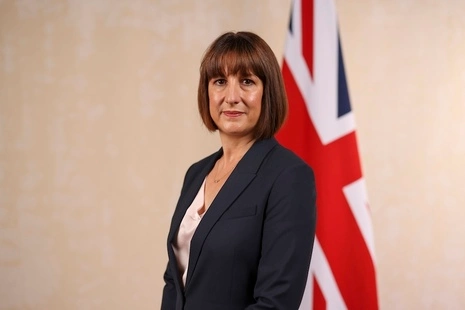
UK Chancellor Rachel Reeves has promised to “stand up for British interests” as she travels to Washington DC for her first spring meetings with the International Monetary Fund, pledging to push for fairer global trade and stronger economic ties.
During her three-day visit, Reeves will meet with fellow G7, G20 and IMF leaders to discuss global instability, rising tariffs, and what the Treasury calls a “Plan for Change” to boost Britain’s growth and security at home.
She will also hold her first face-to-face meeting with US Treasury Secretary Scott Bessent to deepen UK–US economic ties and discuss progress on a new trade agreement.
Reeves said: “The world has changed, and we are in a new era of global trade. I am in no doubt that the imposition of tariffs will have a profound impact on the global economy and the economy at home.
“This changing world is unsettling for families who are worried about the cost of living and businesses concerned about what tariffs will mean for them. But our task as a government is not to be knocked off course or to take rash action which risks undermining people’s security.
“Instead, we must rise to meet the moment and I will always act to defend British interests as part of our Plan for Change.”
Reeves is expected to make the case for removing trade barriers, backing investment, and creating a more secure, stable global economy for working people and businesses alike.
She will also speak with members of the Comprehensive and Progressive Agreement for Trans-Pacific Partnership (CPTPP) and meet European counterparts to discuss defence spending and coordination on Ukraine.
The visit follows a string of domestic economic announcements, including over £400 million in trade deals with India, a £20bn boost to UK Export Finance, and state support for British Steel, saving 2,700 jobs in Scunthorpe and up to 37,000 in the supply chain.
Other recent measures include a £1,400 pay rise for 3 million workers, free breakfast clubs in primary schools, and new support for British carmakers switching to electric vehicles.
While in Washington, the Chancellor will also meet business leaders to pitch the UK as a top investment destination.
Reforms to planning laws, including changes to the National Planning Policy Framework and the upcoming Planning and Infrastructure Bill, are designed to unlock housing and infrastructure development and cut red tape for investors.
Officials say slashing regulation costs by 25% and backing “builders not blockers” will help deliver 170,000 new homes and drive long-term growth.
Photo: UK Government
TOP STORIES
-
 We're talking to almost twice as many people on the phone as a decade ago, study finds
 -
TalkTalk sells majority stake in Telecom Acquisitions as founder Nigel Barnett regains control
-
Company closures soar ahead of tax rises as new Budget looms
-
France calls in army after riots sweep cities
-
An Italian affair – Stanley Johnson takes London's society set on the Silk Road
-
Himalayan mountainside moved 40cm before avalanche killed 1,451 in Nepal, scientists reveal
-
Scientists and engineers quitting jobs as AI changes roles ‘beyond recognition’, study finds
-
UK profit warnings hit near two-year high as businesses struggle with rising costs
-
Microsoft pulls out of major UK AI data centre project amid power grid delays
-
Russia takes control of more European corporate assets amid Ukraine tensions
-
EU leaders resist calls to delay carbon rules as energy costs soar
-
‘A big step forward’ – PM Andy Burnham hails plans for Great British Railways HQ in Derby
-
UK economy grows just 0.1 per cent as construction falls and services stall
-
Germany risks losing €155bn a year under tighter AI data rules, new study warns
-
Pope Leo XIV diagnosed with lung cancer after surgery in Rome
-
France faces freezer meltdown as hackers strike supermarket chains
-
Bumble shares soar 50% amid $1bn takeover talks
-
China slump drives Volkswagen to sharpest quarterly fall in more than four years
-
Hollywood mega-powerhouse created as Paramount completes Warner Bros Discovery takeover
-
Gamers face gridlock as latest Grand Theft Auto download 'nears two days'
-
Samsung profits soar ninefold to record £61bn amid AI chip boom
-
New Springer books put the UN’s struggling sustainability goals to the real-world test
-
Europe’s solar boom set for two-year slowdown after record growth
-
Let it pea. Musicians turn vegetables into instruments at Beatles' Abbey Road studios
-
Golden naked Trump statue unveiled at European Parliament