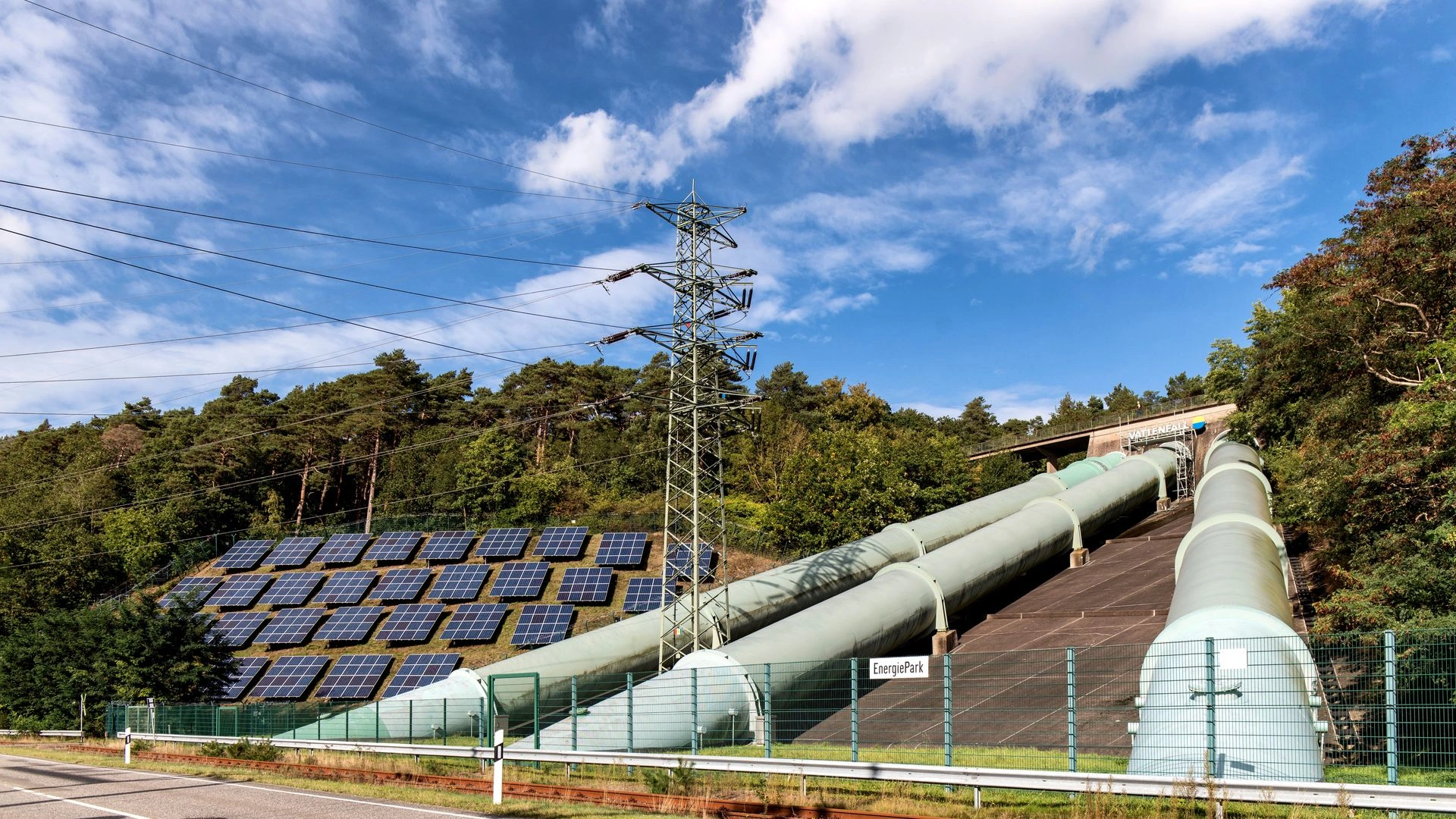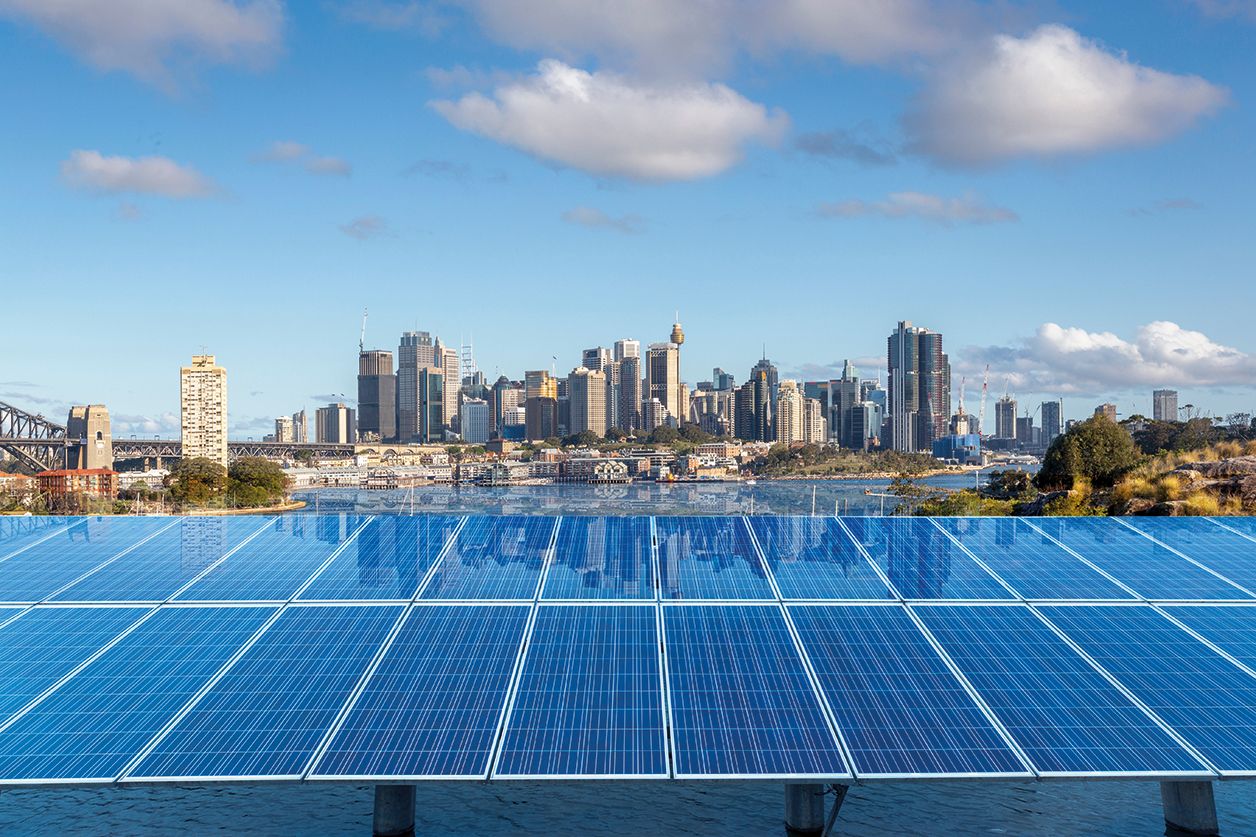
Australia’s Energy Security Board has proposed paying coal- and gas-fired generators for buffer supply on the grid, but offering longer-term contracts for new back-up capacity, such as batteries, to smooth the transition to cleaner energy. The country’s new Labor government, which faced soaring power prices and blackout risks in its first month in office, has urged regulators to develop the “capacity mechanism” as fast as possible to encourage development of renewable energy and energy storage to fill the gap as coal-fired plants are retired.
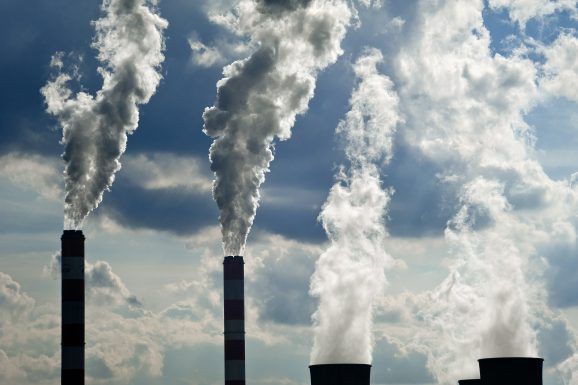
The board is seeking comments on its latest plan for a capacity mechanism designed to encourage investment in energy storage, but also paying coal- and gas-fired generators based on an auction system. Its first proposal last December sparked opposition from groups and some state governments that do not want coal-fired plants rewarded for having capacity available, but the Energy Security Board said all forms of back-up will be needed.
Coal-fired power makes up about 65% of generation and gas 7%, with the rest coming from renewables. “Participation of both new and existing capacity could allow better coordination of entry and exit decisions at lower overall cost,” the Energy Security Board said in its latest proposal. It said it would consider longer duration contracts for new capacity only, while existing capacity providers, such as coal plants, would be eligible only for one-year contracts, allowing for different capacity prices for old and new sources.
The aim of the mechanism is to help make revenue more predictable for non-wind and solar power providers – key to securing financing for new projects – as the wholesale electricity market has become highly volatile. Prices dip below zero in the middle of the day when wind and solar power is high, while prices have recently skyrocketed to the market cap of A$15,000 ($10,400) per megawatt hour (MWh) when wind and solar power were low and 25% of the market’s coal-fired capacity was offline due to planned and unplanned outages.