Planes take the strain over fears about soaring infections in Europe affecting bookings

John E. Kaye
- Published
- Banking & Finance, Home, News
- IAG down 2.9%
- Ryanair down 2.7%
- Easyjet down 3%
- Wizz Air down 2%
- Rolls Royce down 2.1%
Susannah Streeter, senior investment and markets analyst, Hargreaves Lansdown.
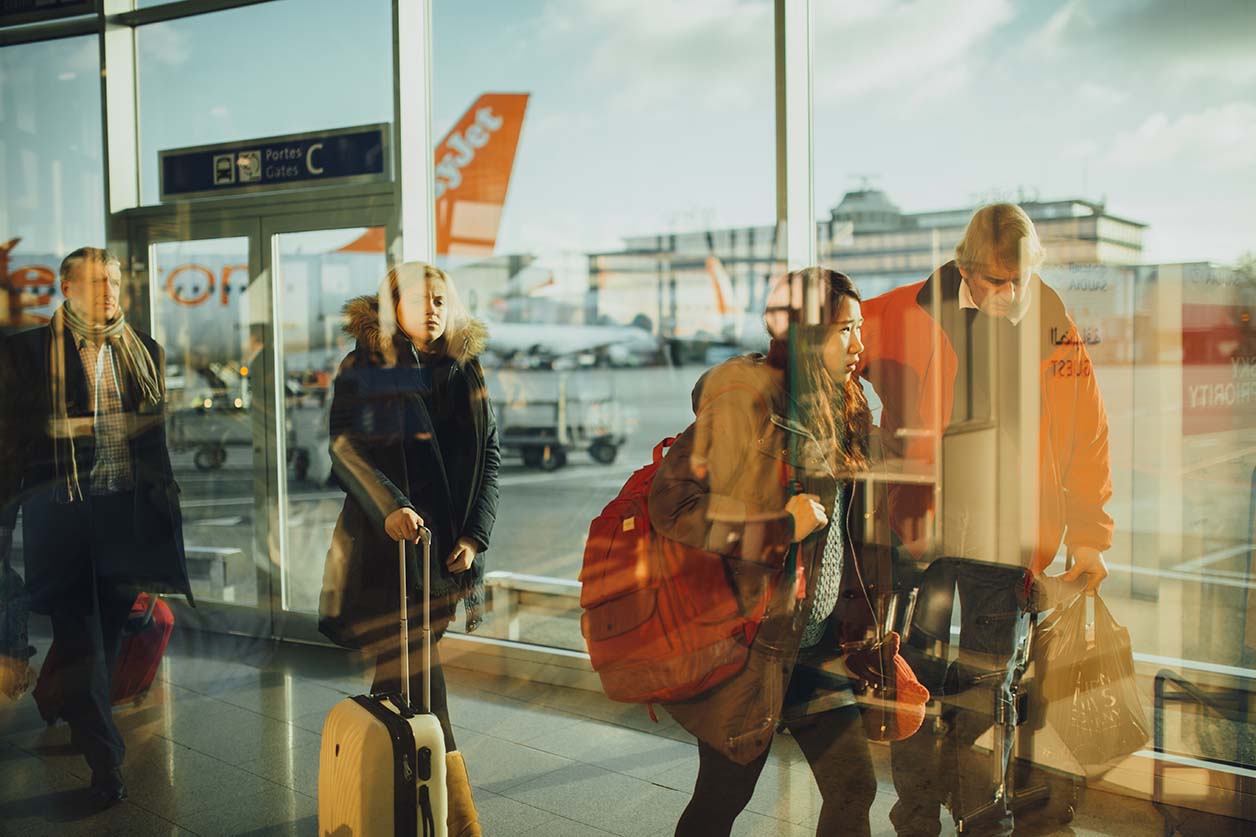
‘’The dip in early trading among airline stocks has intensified with British Airways owner IAG, Easyjet, Ryanair and Wizz Air nose-diving as fears about soaring infections in Europe take hold. Rolls Royce was also dragged lower as it is highly sensitive to the fortunes of the airline industry, given that its core business of making and servicing engines for long-haul aircraft is based on the number of hours its engines are in the air.
Their descent comes amid warnings from the World Health Organisation that there could be an additional 700 thousand new deaths in the region, taking the total to 2.2 million by March. This has caused fresh turbulence for airline companies, which had glimpsed light through the clouds as bookings, especially on lucrative transatlantic routes were expected to bounce back in the Spring. But there are now concerns that surging infections and lockdowns will depress the confidence of the travelling public. Ryanair boss Michael O’Leary has warned of a fraught period, with passengers deterred by this dramatic wave of infections from making bookings. Adding to the fragility are warnings from a parliamentary committee that new swathes of red tape could tie up journeys from the UK to Europe next year due to new border management systems coming into force.
Fortunes haven’t been helped by the oil price staying stubbornly high, with the benchmark Brent Crude above $82 a barrel, despite the co-ordinated release led by the US of strategic oil reserves. There are worries that the oil cartel OPEC and its allies might hold off plans to increase production which is keeping prices higher. The upwards path of the oil price is a particular concern for the airline sector given that fuel makes up 25 – 30% of the operating costs of an airline. Although hedging may give some airlines breathing space for now, it’s still an ongoing worry. WizzAir which is unhedged on fuel has already said it’s expecting particular turbulence through the winter months as it navigates much higher costs and a substantial operating loss for the third quarter is forecast. There were high hopes that brighter skies would emerge by the Spring but now storm clouds appear to be gathering over the sector once again.’’
TOP STORIES
-
 Jaguar puts controversial rebrand on the road with £130K 1,030PS Type 01
 -
Deepfakes and identity fraud drive new wave of post-hire background checks
-
Spain crowned Europe’s top retirement destination
-
More than half of UK professionals report workplace burnout
-
More than 1.2m English drivers may have eyesight too poor for the road, study finds
-
David Reuben, Britain’s second richest person, leaves London for Monaco
-
UK prisoner release plan faces a major lag as tougher rules risk sending inmates back to jail
-
Brits trust AI with their health but not their money
-
Britain still hungry for Italian food as exports hit €4.56bn despite Brexit
-
Women who earn more than their partners still pay the price at work, landmark study finds
-
Vape expectations go up in smoke as new UK tax sparks fury
-
Robot sales rocket 24% as 250,000 machines snap up jobs in warehouses, hotels and hospitals
-
New-build homeowners should not be left with ‘mud and a fence’, campaigners warn
-
Bank of England governor warns AI poses growing ‘increasingly significant’ threat to financial stability
-
UK economy grows faster than first thought as household incomes bounce back
-
UK unveils ‘Great British Grid’ in bid to cut energy bills
-
British Chambers unite against 'Made in Europe' rules amid fears for UK industry
-
Bouncy castle firms urged to sign new safety pledge following child deaths
-
Remembering Matthew Jukes, The European’s Wine & Fine Drinks Correspondent
-
Michael Dell becomes world's fourth-richest person as Forbes reveals the ten wealthiest billionaires
-
Scientists develop new chemicals to tackle devastating oil spills at sea
-
Closing women's health gap could boost global economy by $1tn a year, leaders say
-
World's first luxury theme park to open in Mexico with £1.1bn of rides, fine entertainment and deliberately limited crowds
-
Dutch court orders Lidl to stop selling Birkenstock sandal lookalikes
-
Giant wind turbine with 252-metre rotor could mean fewer machines and cheaper offshore power