AI found to make people 15% more likely to lie, study warns

John E. Kaye
- Published
- News
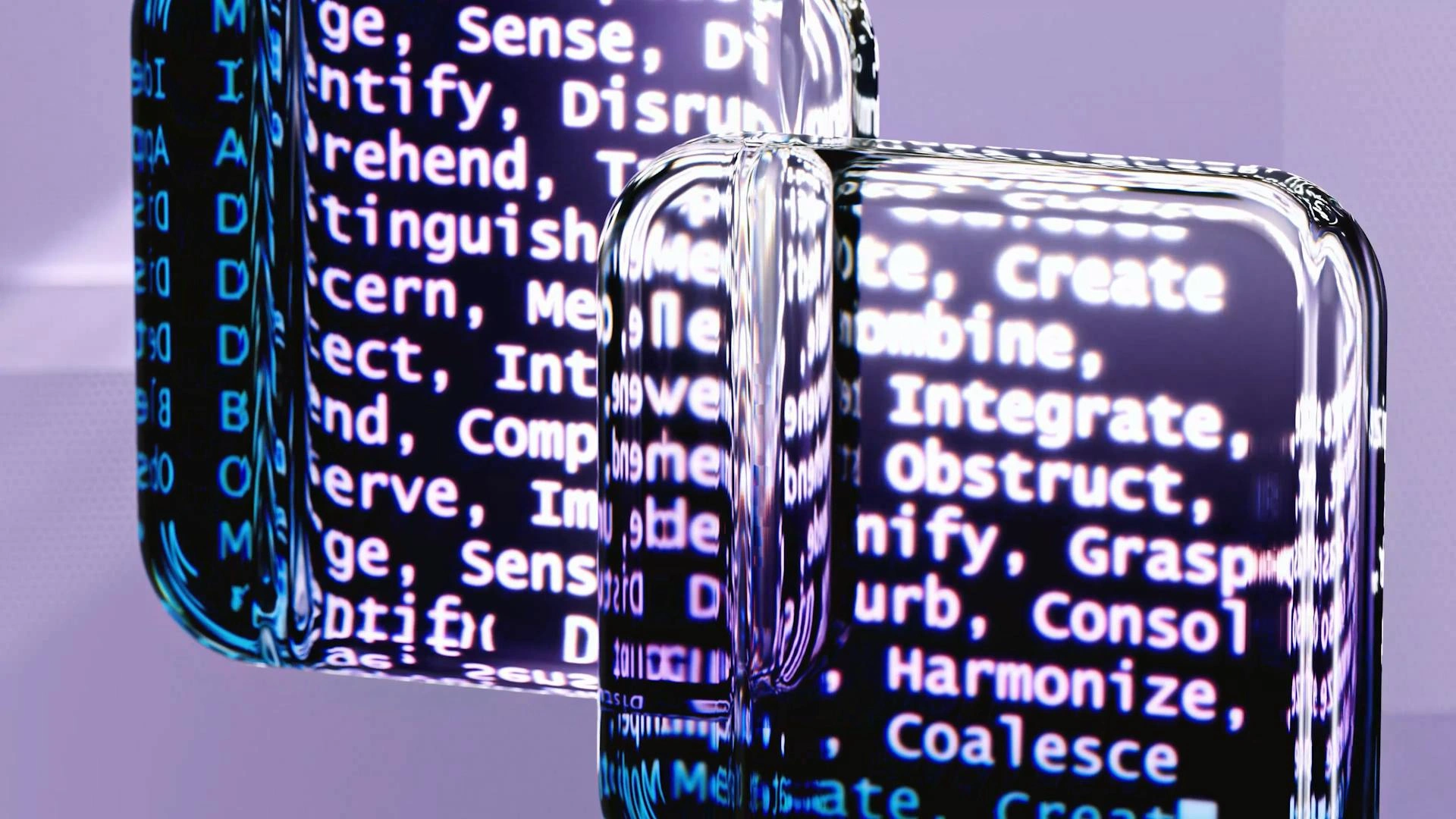
Artificial intelligence is already shaping human behaviour — and not always for the better. Researchers at the University of Cologne say AI-generated suggestions can subtly encourage dishonesty, prompting calls for tighter safeguards and ethical oversight
AI is capable of influencing human behaviour for the worse – prompting calls for tighter safeguards and ethical oversight, a new study has found.
Researchers from the University of Cologne have discovered that people are 15 per cent more likely to lie when artificial intelligence suggests dishonest behaviour, compared with those who receive no advice.
The study, led by Professor Bernd Irlenbusch of the University of Cologne, together with Professor Dr Nils Köbis of the University of Duisburg-Essen and Professor Rainer Michael of WHU – Otto Beisheim School of Management, examined how AI-generated suggestions could affect people’s willingness to behave dishonestly.
Participants took part in a die-rolling task where they could earn more money by misreporting their result. Those who received AI-generated advice encouraging dishonesty were significantly more likely to cheat, while advice promoting honesty had little or no effect.
The researchers found that even when participants knew the advice came from an algorithm — a concept known as “algorithmic transparency” — it did not stop them from cheating. In some cases, that knowledge may even have made them feel less guilty.
While both humans and AI systems can provide prompts that encourage lying, the study notes that AI has the capacity to do so on a much larger and faster scale, with little accountability.
The authors are now calling for new measures to understand and mitigate AI’s influence on ethical decision-making.
Professor Irlenbusch said: “As algorithmic transparency is insufficient to curb the corruptive force of AI, we hope that this work will highlight, for policymakers and researchers alike, the importance of dedicating resources to examining successful interventions that will keep humans honest in the face of AI advice.”
The research, titled The Corruptive Force of Artificial Intelligence Advice on Honesty, was published in the Economic Journal.
READ MORE: ‘Why digital intelligence is the leadership skill that matters most‘. Artificial intelligence is now central to strategic decision-making in sectors from healthcare to defence, but its outputs are only as reliable as the assumptions and oversight that guide them, warns digital transformation expert and acclaimed author, Marco Ryan.
Do you have news to share or expertise to contribute? The European welcomes insights from business leaders and sector specialists. Get in touch with our editorial team to find out more.
Main image: Google Deepmind
TOP STORIES
-
 Russia takes control of more European corporate assets amid Ukraine tensions
 -
EU leaders resist calls to delay carbon rules as energy costs soar
-
‘A big step forward’ – PM Andy Burnham hails plans for Great British Railways HQ in Derby
-
UK economy grows just 0.1 per cent as construction falls and services stall
-
Germany risks losing €155bn a year under tighter AI data rules, new study warns
-
Pope Leo XIV diagnosed with lung cancer after surgery in Rome
-
France faces freezer meltdown as hackers strike supermarket chains
-
Bumble shares soar 50% amid $1bn takeover talks
-
China slump drives Volkswagen to sharpest quarterly fall in more than four years
-
Hollywood mega-powerhouse created as Paramount completes Warner Bros Discovery takeover
-
Gamers face gridlock as latest Grand Theft Auto download 'nears two days'
-
Samsung profits soar ninefold to record £61bn amid AI chip boom
-
New Springer books put the UN’s struggling sustainability goals to the real-world test
-
Europe’s solar boom set for two-year slowdown after record growth
-
Let it pea. Musicians turn vegetables into instruments at Beatles' Abbey Road studios
-
Golden naked Trump statue unveiled at European Parliament
-
Jaguar puts controversial rebrand on the road with £130K 1,030PS Type 01
-
Deepfakes and identity fraud drive new wave of post-hire background checks
-
Spain crowned Europe’s top retirement destination
-
More than half of UK professionals report workplace burnout
-
More than 1.2m English drivers may have eyesight too poor for the road, study finds
-
David Reuben, Britain’s second richest person, leaves London for Monaco
-
UK prisoner release plan faces a major lag as tougher rules risk sending inmates back to jail
-
Brits trust AI with their health but not their money
-
Britain still hungry for Italian food as exports hit €4.56bn despite Brexit