Nepal to restrict Everest permits to experienced climbers

John E. Kaye
- Published
- News
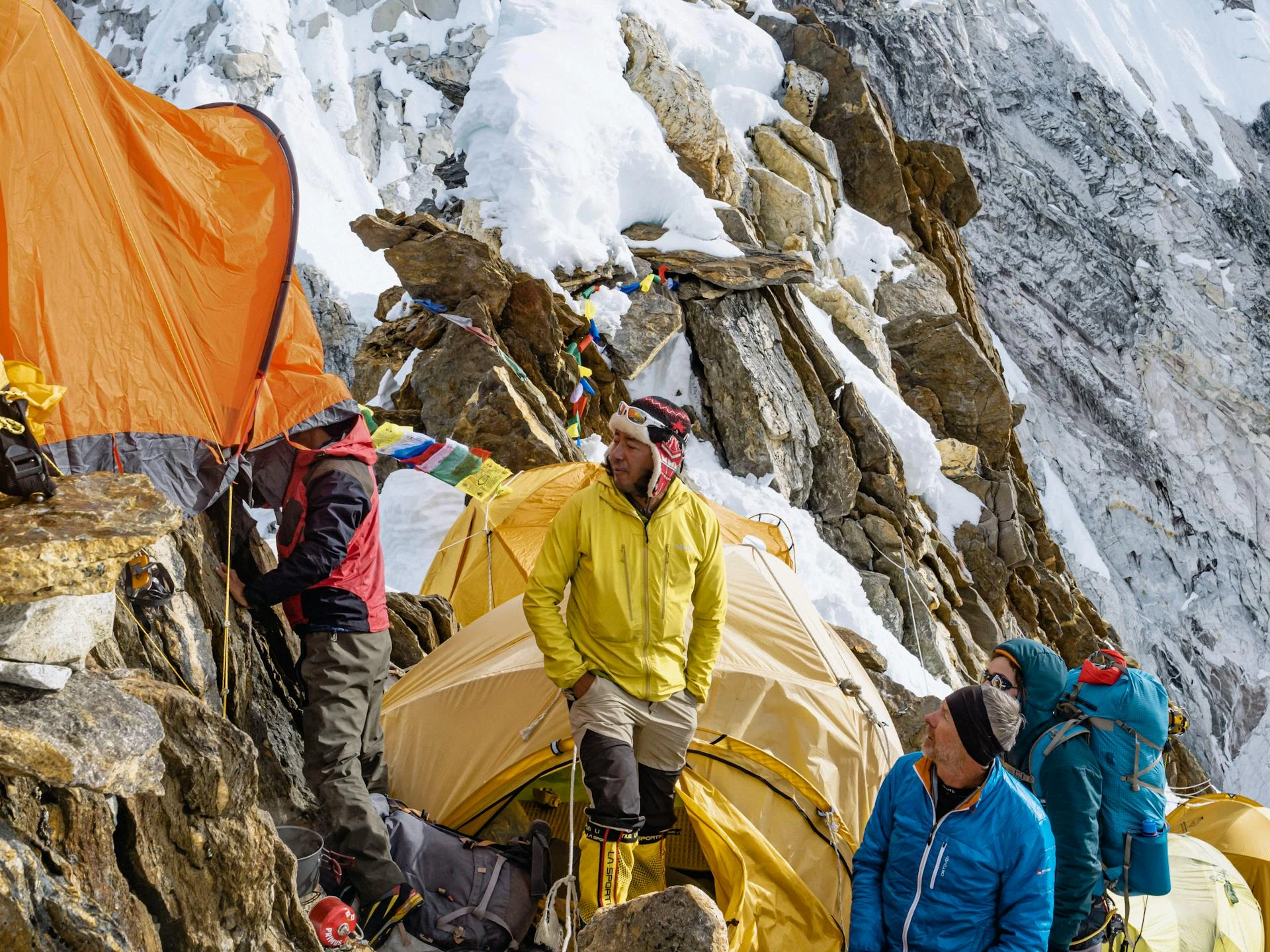
Nepal is preparing to introduce a new law that would block climbers from attempting Mount Everest unless they have previously summited at least one 7,000-metre peak within the country, in an effort to improve safety and reduce overcrowding on the world’s highest mountain
The change is part of the Integrated Tourism Bill, proposed in Nepal’s upper house of Parliament on 18 April.
If passed, the law would represent one of the most significant shifts in Himalayan mountaineering policy in years.
Under the new rules, climbers would reportedly be required to show a certificate proving they have climbed a 7,000m peak in Nepal before being granted an Everest permit.
Mount Everest, which stands at 8,848.86 metres (29,031.7 feet), has faced growing criticism over safety risks, especially in the so-called “death zone” near the summit, where oxygen levels are too low to sustain life for long and queues of climbers frequently form.
Nepal has long been accused of issuing too many climbing permits, including to inexperienced climbers, creating bottlenecks, increasing the danger of fatal accidents, and contributing to the mountain’s worsening pollution problem.
More tourists on Everest’s upper slopes have reportedly led to growing levels of garbage, human waste, and environmental degradation.
According to The Independent, the new rules would also make medical certification mandatory, with climbers required to submit a recent fitness assessment from a government-approved institution.
Climbers attempting a record would reportedly be required to declare this in advance.
Guiding teams would also be affected, with both the sardar (lead local support) and mountain guide reportedly required to be Nepali citizens under the new framework.
International expedition operators have expressed concern over the restrictions, arguing that experience on similar peaks elsewhere should also be recognised.
Nepal’s government, however, is pushing ahead with reforms in response to mounting pressure over Everest’s growing commercialisation.
The country, home to eight of the world’s 14 highest mountains, relies heavily on tourism revenue from climbing and trekking.
Permits to summit Everest — currently priced at £8,249 — are set to increase to £11,248 in September, the first fee hike in nearly a decade.
The 2025 Everest climbing season began in April. Nepal has already issued more than 400 permits, with that number expected to pass 500 by the time the main summit window opens in May.
The bill is expected to pass in the National Assembly, where the ruling coalition holds a majority.
Photo, Grisha Grishkoff/Pexels
TOP STORIES
-
 OpenAI admits AI models hid mistakes, invented data and acted without permission
 -
EIB makes first small nuclear reactor investment with €40m backing for Finnish start-up
-
AI arms race could mean fewer cold emails reaching your inbox
-
Housing costs hit recruitment at 77% of large London firms, survey finds
-
SpaceX to launch one-tonne orbital factory for European space firm in 2028
-
Estonia’s e-residents launch more than 4,200 companies as business creation jumps 36%
-
Small business bank lending falls £27bn in three years as nine-in-10 areas see decline
-
Europe’s healthcare sector lags on AI uptake – but leads once it starts using it
-
Stranded drivers could soon call for help even with no mobile signal
-
NASA backs space ‘air brake’ that could cut years off missions to Uranus and Neptune
-
MPs and peers call for UK ban on AI that could evade human control
-
France orders €1.3bn in extra cuts as growth falls behind European neighbours
-
Bioweapons research, Russian-linked spies, guided rockets and cyber-attacks on Europe used Claude AI, Anthropic reveals
-
Cadbury Takes a Break as KitKat tops Britain’s social media sweet rankings
-
European network alliance doubles in size as digital sovereignty drive accelerates
-
European insurance giants join New York summit on future of AI
-
Oxford leads £10m international study as resistance threatens new TB treatments
-
Inside the world’s wildest new mini golf course with caves, 13ft waterfalls… and sharks
-
Apple’s new boss bets £1,999 on first folding iPhone
-
‘Double delight’ as rare red pandas born at Whipsnade Zoo
-
This Japanese ski resort has just been named the world’s best place for seasonal work
-
Nearly 4m Londoners experienced mental health challenges last year, study finds
-
Card fraud accounts for more than one-in-three UK identity fraud cases
-
Breast cancer campaigners target Burnham at PMQs over £20m research fund
-
Europe leads world in quantum research despite deep industry scepticism